Yes, there are deck stains that resist peeling and provide lasting color. This guide highlights top options, including water-based and oil-based formulas, to help you choose a product that suits your climate, wood type, and maintenance schedule. Ideal buyers include DIY homeowners: you’ll want an easy-to-apply finish that penetrates and seals without frequent touch-ups, while contractors may prioritize durability and broader color choices. The following picks are selected for longevity, UV protection, and ease of maintenance.
| Product | ||
|---|---|---|
| SaverSystems #1 Deck Premium Semi-Transparent Outdoor Wood Stain and Sealer in One – Natural | Water-based, semi-transparent | Low-maintenance decks and fences; highlighting natural grain |
| SaverSystems #1 Deck Premium Semi-Transparent Outdoor Wood Stain and Sealer in One – Dark Walnut | Water-based, semi-transparent | Colorful accent for outdoor wood; UV protection |
| Restore-A-Deck Semi-Transparent Wood Stain (Cedar) | Penetrating, semi-transparent | Restoration of older, weathered wood |
| DWIL Wood Stain and Sealer in One (Bleached Gray) | Water-based, semi-transparent | Fast-drying projects with low odor |
| DEFY Essential Semi-Transparent Outdoor Wood Stain and Sealer in One (Redwood) | Acrylic-based, semi-transparent | Durable color with surface protection |
SaverSystems #1 Deck Premium Natural Finish

This semi-transparent water-based stain preserves natural wood grain while adding subtle color. It provides UV protection to minimize fading and graying, and acts as both stain and sealer, penetrating deep into wood pores for lasting protection.
Best for: Homeowners with decks, fences, or siding who want a natural look with low VOCs and easier cleanup. Choose this if you prefer a one-step stain-and-sealer with environmental considerations.
Limitation: As a water-based formula, it may require more frequent recoats in very harsh sun or high-traffic areas depending on wood condition.
SaverSystems #1 Deck Premium Dark Walnut
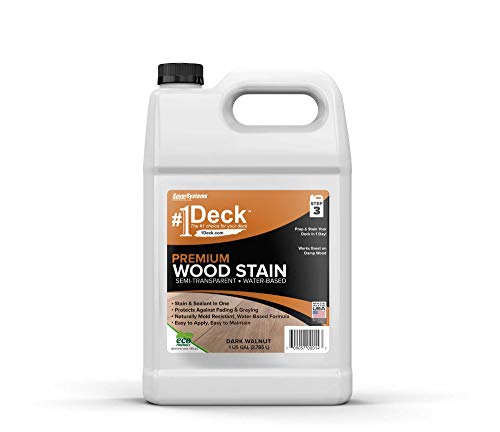
Like the natural variant, this semi-transparent formula protects wood from UV light and moisture while providing color depth that enhances grain. It’s designed to be water-based with low VOC content.
Best for: People seeking a richer color on decks or fences while still avoiding heavy maintenance. Better for those who want a consistent, deeper tone without multiple coats.
Limitation: Darker colors can emphasize brush strokes if applied unevenly; ensure even strokes for a uniform finish.
Restore-A-Deck Semi-Transparent Cedar

This stain penetrates deeply to reduce peeling and simplify future maintenance. It’s specifically marketed for older decks and weathered wood, with same-day prep and stain application in many cases when used with the brand’s cleaner and brightener system.
Best for: Projects involving older or weathered wood where existing peeling is a concern. Choose this if you want a restoration-focused option that supports easier future upkeep.
Limitation: Performance can depend on proper cleaning and prep; inadequate prep can limit adhesion and longevity.
DWIL Wood Stain and Sealer in One Bleached Gray

DWIL combines stain and sealer in one, with fast drying and a low-odor formula. It penetrates wood to provide color while forming a protective surface layer for durability against wear and weather.
Best for: Projects requiring quick turnaround and minimal odor, such as condos, rentals, or small outdoor furniture. Choose this if you need a fast-drying option with low odor.
Limitation: The color palette is more limited than some oil-based stains, which may affect match with other wooden elements in your landscape.
DEFY Essential Redwood Stain and Sealer

This product combines color with a waterproof seal, offering protection against moisture while enhancing wood grain. It uses durable acrylic resins to resist cracking, peeling, and fading.
Best for: Projects requiring a sturdy finish with long-term protection against moisture and UV exposure. Choose this if you want a one-coat result with strong durability.
Limitation: This is an oil-containing, acrylic-based product, which may require appropriate surface cleaning and ventilation during application.
Buying Guide: Key Purchase Considerations
What should you consider before buying deck stain that won’t peel?
- Wood type and age: New wood benefits from products with deeper penetration, while older wood may need restorers like Restore-A-Deck to reduce peeling before sealing.
- Water-based vs. oil-based: Water-based formulas are low VOC and easier cleanup but may require more coats in harsh sun. Oil-based options often offer longer-lasting color and better penetration in some woods.
- Transparency level: Semi-transparent stains preserve grain but provide color; solid stains hide grain but offer higher protection. Pick based on how much grain you want visible.
- UV and moisture resistance: Look for products advertised with UV protection and waterproofing to minimize fading, graying, and moisture damage.
- Maintenance schedule: Some formulas require maintenance sooner but are easier to recoat; others offer longer intervals between coats but may demand careful surface preparation.
- Application and drying: Consider dry time, odor, and whether a one-coat system suits your project timeline.
Practical Tips for Applying Deck Stains
- Prepare the surface: Clean and, if needed, restore with a dedicated cleaner or stripper to maximize adhesion and reduce peeling potential.
- Apply evenly: Use consistent brush, sprayer, or roller techniques; feather edges to avoid lap marks.
- Climate awareness: Apply on dry days with temperatures within product-recommended ranges; avoid wet or freezing conditions.
- Maintenance planning: Record when you applied the stain to plan future maintenance before peeling tendencies emerge.
FAQ
- Q: What makes a deck stain less likely to peel? A: Proper wood preparation, penetrating formulas, and a robust sealant layer help resist peeling over time.
- Q: Are water-based stains better for decks with high sun exposure? A: They generally have lower VOCs and easier cleanup, but long-term durability depends on the specific product and maintenance schedule.
- Q: Can I apply stain directly over existing peeling stain? A: Peeling should be removed; otherwise, the new coat may peel again. Use a stain stripper or cleaner if needed.
- Q: How often should I re-stain a deck? A: It depends on product type, wood condition, and climate; many decks require re-coating every 2-5 years.
- Q: Is one coat enough for most decks? A: Some products are designed as one-coat systems, but deeper color or added protection may require a second coat in certain situations.
- Q: Which finish emphasizes wood grain the most? A: Semi-transparent finishes emphasize natural grain while adding color; solid finishes mask grain but offer strong protection.