When painting over glass or windows, choosing the right masking and protective products saves time and delivers cleaner lines. This guide highlights top glass-friendly options, including liquid masking, pre-taped masking films, and durable drop cloths. Best for homeowners, DIY enthusiasts, and professionals who want crisp edges and floor protection without tape residue. The table below summarizes five top picks to help you compare at a glance.
| Product | Best For | Why Choose |
|---|---|---|
| JASCO Liquid Mask & Peel | Window frames and glass surfaces | Liquid masking primes and seals without sticky tape residue; easy cleanup |
| Tangibay Pre-Taped Masking Film (22″ x 66′) – 2 Rolls | Automotive and home painting with combined tape and film | Two-in-one product for fast setup and solid coverage |
| Papamood Pre-Taped Masking Film (22″ x 66′) – 2 Rolls | Automotive & home painting, large-area coverage | Tear-resistant film with no bleed-through and clean removal |
| Caelum Star Drop Cloth (12×9 ft, 6 Pack) | Floor and furniture protection during multi-room projects | High-coverage, durable plastic drop cloths for wide areas |
| VICMORE Clear Plastic Drop Cloth (9×12 ft) | Clear visibility and lightweight protection | Clear design helps monitor coverage while protecting surfaces |
JASCO Liquid Mask & Peel, Liquid Masking Tape, 1 Quart
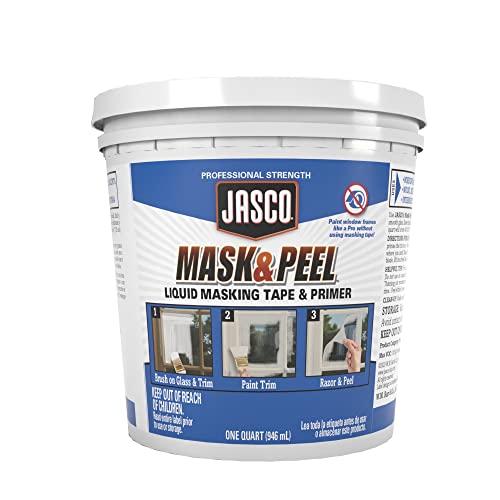
Liquid masking offers an alternative to traditional tape around glass and window trim. JASCO Mask & Peel creates a prime, seal, and protect layer that keeps glass clean and free of tape residue. It remains a practical option for frames and doors where tape can lift or peel paint during removal. Best for DIYers who want a straightforward, residue-free edge and minimal setup time. Potential limitation: requires time to dry and cure between coats, so plan masking steps accordingly.
Who it’s best for: Homeowners and small-project DIYers painting interior window trims or doors who want clean, glass-safe masking without the mess of tape.
Why selected: It simplifies masking around glass, reduces tape removal cleanup, and can yield a smooth edge on glass surfaces. It’s especially useful when you need to protect glass while painting adjacent wood frames.
Tangibay Pre-Taped Masking Film for Painting – 22″ x 66′ (2 Rolls)

This product blends masking tape and plastic film into a single, ready-to-use sheet. It’s designed for quicker setup on vehicles and walls while ensuring a strong barrier against overspray. The combination is advantageous for projects that require masking over larger surfaces or on glossy glass where adhesion and bleed-through must be controlled. Note a limitation: high-temperature resistance is useful for certain spray sessions, but follow curing guidelines to avoid warping the film.
Who it’s best for: Pros and serious DIYers who want a two-in-one solution for faster masking on glass-adjacent surfaces and larger areas.
Why selected: The dual-function format reduces steps and helps maintain crisp lines near glass when spraying nearby areas.
Caution: Some users may experience resin or adhesive transfer if left on surfaces too long; remove within recommended windows to avoid residue on glass.
Pre-Taped Masking Film for Painting (2 Rolls) – 22″ x 66′ (Papamood)

Papamood’s two-roll masking film combines painter’s tape with a protective plastic film. This option is intended for both automotive and home painting, offering high-temperature resistance and tear resistance. It yields zero bleed-through and clean removal within 30 days, making it ideal for long projects or multi-room renovations near windows and glass doors. Best for projects where you want a durable barrier without frequent tape changes. Limitation: the surface removal timing should align with the project’s curing timeline to maintain sharp lines.
Who it’s best for: Paint pros and large-area projects where you need consistent protection across multiple panels or rooms near glass.
Why selected: It provides strong adhesion with minimal risk of bleed-through, supporting clean, professional edges on glass surfaces.
Caelum Star 6 Pack 12×9 ft Plastic Drop Cloths
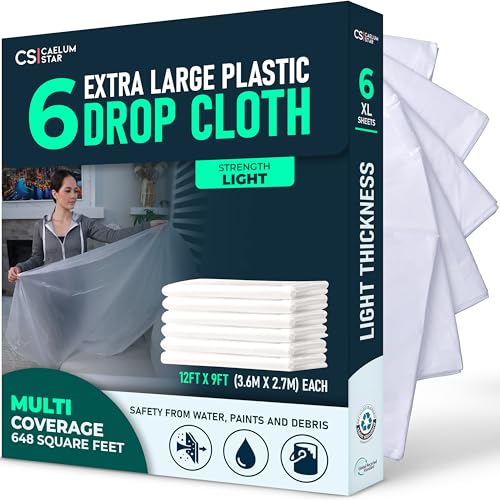
Six large drop cloths provide broad coverage for floors, furniture, and other surfaces during painting. The 12×9 ft size helps protect expansive areas in multi-room renovations, reducing the risk of paint splatter on carpets or hardwoods. Best for homeowners tackling rooms with several pieces of furniture or for contractors guarding multiple surfaces at once. Limitation: bulkier protection, which may be less convenient for tight spaces or quick touch-ups where smaller coverings are preferred.
Who it’s best for: Projects requiring wide coverage across multiple areas, including floors and large furniture pieces.
Why selected: The six-pack option provides ample coverage, aiding efficient project planning and cleanup.
VICMORE Clear Plastic Drop Cloth 9 x 12 Ft

This single clear drop cloth offers a lightweight option for protecting floors and furniture while maintaining visibility of the area underneath. It’s ideal for projects where seeing coverage through the material matters, such as near glass surfaces, frames, or windows. Best for small to medium rooms or quick touch-ups where a transparent barrier is sufficient. Limitation: single cloth means repeated repositioning for larger spaces may be needed.
Who it’s best for: DIYers who want to monitor coverage while protecting glass-adjacent surfaces without obscuring the view of the protected area.
Why selected: Clear visibility helps ensure accuracy around window edges and glass panes, reducing the risk of missed spots or drips.
Buying Guide: Glass-Friendly Masking And Protection
Masking and protection for painting near glass requires a balance of protection, ease of use, and clean removal. Consider these factors when choosing products for your project.
What type of masking should you use near glass?
Liquid masking is ideal for delicate glass edges or curved profiles where tape may not conform well. Pre-taped masking films provide quick, durable coverage for larger areas. For floors and furniture, use drop cloths that resist paint splatter and are easy to remove.
Which features matter most?
- Adhesive strength and residue: Look for products that remove cleanly without leaving sticky residues on glass.
- Heat resistance: If you’re using spray systems, ensure the masking film or tape withstands curing temperatures.
- Bleed-through resistance: Choose films designed to prevent paint from soaking through to the protected surface.
- Visibility: Clear drop cloths help you monitor coverage around glass and frames.
How to apply and remove effectively?
Follow manufacturer directions for cure times and removal windows. For liquid masking, allow proper drying before painting and peel away slowly to minimize risk of chipping edges. For masking films and tapes, apply smoothly with consistent tension to avoid creases near glass.
What combination works best for glass-heavy projects?
A combination approach often yields the best results: use liquid masking on intricate glass edges or trim, masking film for large surfaces near glass, and drop cloths to protect the floor and furniture. This minimizes touch-ups while keeping work areas clean.
Safety and disposal considerations
Dispose of used masking materials according to local waste guidelines. Some films may be recyclable in regions that accept plastic films. Wear gloves and ventilate when using masking liquids to avoid skin contact or inhalation.
FAQ
- Q: Can I use liquid mask on glossy glass surfaces? A: Yes, liquid masks are often suitable for glass, leaving less residue than tape if used and removed correctly.
- Q: Do masking films resist bleed-through? A: High-quality masking films are designed to minimize bleed-through, especially when used with proper surface preparation.
- Q: How long should I wait before removing masking film or tape? A: Follow product-specific drying and curing times; removing too early can cause edge smudges or paint lift.
- Q: Are drop cloths reusable? A: Reuse depends on paint splatter and coating; many are disposable or suitable for light reuse after cleaning.
- Q: Which is best for large rooms with glass windows? A: A combination of masking film for walls and drop cloths for floors is often most effective.