Finding the right floor molding for a bathroom project means balancing water resistance, ease of installation, and a clean look. This guide highlights five top silicone, vinyl, and TPE edge-trim products that are well-suited for bathrooms and damp areas. Each option is chosen for a specific setup—whether you’re aiming for a quick peel-and-stick install, a hide-the-gap solution, or a moisture-tolerant baseboard finish. The top picks help seal edges, guard against moisture, and improve aesthetics for kitchens, showers, tubs, and vanity areas.
Product snapshot: The table below compares the five selected items at a glance to help quick decisions. Consider your space (bathroom, kitchen, or hallway), surface type, and whether you prefer flexible silicone, PVC, or TPE materials.
| Product | Material | Best For | Key Benefit |
|---|---|---|---|
| Flexible Quarter Round Molding Trim – ESUFEIR | Silicone | Hydrophobic, stain-resistant surface; easy adhesion | |
| White Caulk Tape Waterproof – Aqzfeuy | PVC Caulk Tape | Tile edges, showers, toilets | No-mess alternative to caulk; easy fit and clean look |
| Self-Adhesive Flexible Baseboard Molding – Nayotaa | PVC Vinyl | Curved walls, uneven floors, bathrooms | Waterproof, durable, hides imperfections |
| Flexible Quarter Round Molding – KNEELISA | Silicone | Wall, cabinet, floor edges | Strong adhesion; right-angle design for tight gaps |
| Flexible Quarter Round Molding – Hzetuu | Silicone | Walls, floors, corners, tub areas | Waterproof and bendable; easy DIY install |
Flexible Quarter Round Molding Trim – ESUFEIR

Material and design: This trim uses premium silicone with a 9/16-inch width and height, delivering a flexible, durable edge that adheres to smooth surfaces. It forms a tight seal against dust, moisture, grease, and ants, making it suitable for bathrooms and kitchens. The U-shaped baseboard trim sits flush along right-angled areas such as window sills and tub surrounds, reducing bulging common with round seals.
Best for: Homeowners who want a seamless, hydrophobic edge around bathroom fixtures, bathtubs, or countertops. It’s especially suitable for DIYers seeking a clean, professional finish with minimal tools. It also helps protect edges from moisture and grime over time.
Limitations: While highly flexible, you should ensure the surface is clean and dry for best adhesion. It may require initial cutting for precise fit around corners.
Aqzfeuy White Caulk Tape Waterproof Self Adhesive

Material and design: A white caulk tape designed for waterproof sealing at floor tile corners, toilets, showers, and around bathtubs. It is 1.5 inches wide and 10.5 feet long, with a crease to help folding around edges. It’s marketed as easier than traditional caulk, with a clean, neat appearance.
Best for: Quick edge protection in bathrooms and kitchens when you want a tidier line without pulling out a caulk gun. It’s particularly helpful for joints that are prone to water exposure but where a simple, temporary or intermediate seal is desired.
Limitations: Caulk tape does not bond to silicone caulk or old caulking; surface preparation is essential for best results. For long-term use in very wet spots, consider pairing with a silicone sealant in the most exposed areas.
Self-Adhesive Flexible Baseboard Molding – Nayotaa
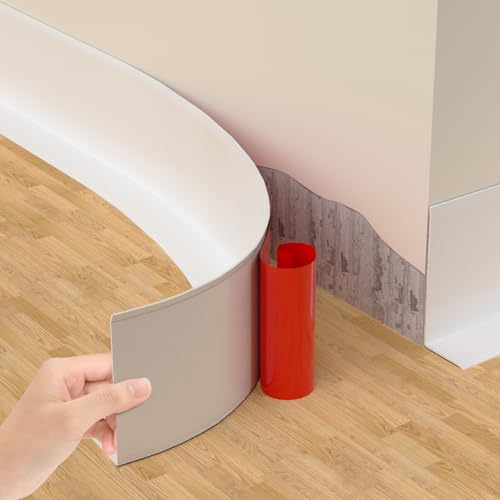
Material and design: A 20-foot vinyl baseboard moulding with a waterproof, moisture-resistant PVC construction. The integrated adhesive backing makes it a peel-and-stick install for smooth walls, tiles, or wood, ideal for bathrooms and kitchens. The toe design hides gaps and creates a cleaner edge.
Best for: Projects involving curved walls or uneven floors where you want fast coverage with a sturdy edge that resists moisture. It’s a strong choice for renters or quick remodels needing a durable, low-maintenance finish.
Caution: For textured walls or cold environments, heating the adhesive slightly with a hair dryer can improve bonding. Ensure the surface is clean and dry before application to maximize adhesion.
Flexible Quarter Round Molding – KNEELISA

Material and design: White, 118-inch long flexible quarter round with a 15mm by 20mm cross-section. It uses a double-sided adhesive plus an extra-strong backing and features a right-angle profile for a neat, hidden edge along walls, cabinets, and floors. It’s also bendable for corners and tight gaps.
Best for: Those needing a minimal, clean edge with strong adhesion in bathrooms, kitchens, or around tubs. The right-angle design is especially helpful where other trims leave visible corners or imperfect finishes.
Limitation: In colder conditions or very glossy surfaces, bond strength can be improved by warming the adhesive with a hair dryer before application.
Flexible Quarter Round Molding – Hzetuu

Material and design: A waterproof, bendable silicone quarter round designed for walls, floors, corners, and tubs. It offers an easy tool-free DIY installation, with rounded edges to reduce injuries and provide a safe edge near bathrooms and living spaces.
Best for: Homeowners seeking a straightforward edge-sealing solution that tolerates humidity and moisture. The silicone composition supports flexible placement around irregular edges without cracking.
Limitation: While waterproof, ensure the surface is thoroughly dry before applying to achieve the best bond, and trim accurately to avoid gaps at corners.
Buying Guide: Key Considerations For Floor Molding In Damp Areas
- Material choice: Silicone offers flexibility and moisture resistance; PVC-based trims are durable and forgiving on uneven surfaces; TPE provides a softer edge with good water resistance. Choose based on expected exposure and temperature changes.
- Adhesion method: Peel-and-stick options are quick and DIY-friendly; some trims require cleaning, priming, or heat setting for strong bonds. Ensure compatible substrates (tile, drywall, concrete).
- Surface preparation: Clean, dry surfaces improve adhesion. Remove old caulk or debris, and consider light sanding for rough textures.
- Edge needs: For bathrooms, prioritize waterproofing around tubs, showers, and vanity edges. For living areas, a neat, hidden edge with minimal reflectivity may be preferred.
- Installation environment: Cold temperatures can affect adhesive strength. Use a hair dryer to warm adhesive backing if recommended by the manufacturer.
- Aesthetics and transitions: Consider color, profile width, and whether the trim blends with cabinets, countertops, or wall finishes. A continuous white edge often looks clean in bathrooms.
Frequently Asked Questions
- What type of floor molding is best for bathrooms?
Silicone and PVC-based trims with water resistance are best for bathrooms. Silicone offers flexibility and moisture resistance; PVC trims provide durable, quick installs.
- Do peel-and-stick trims hold well on bathroom walls?
They can, especially on smooth, clean surfaces. For uneven or textured walls, a primer or alternative installation method may improve longevity.
- Can caulk tape replace traditional caulk in showers?
Caulk tape can replace some joints for a neat look and easier maintenance, but it may not be a permanent seal in all high-wet areas. Use it where a flexible, quick seal is acceptable.
- How do I prepare surfaces for baseboard molding?
Clean, dry, and free of dust; lightly sand glossy surfaces; and remove any old sealant. Follow product-specific instructions for best results.
- Are these trims suitable for curved walls?
Yes, several options (notably the Nayotaa and KNEELISA lines) are designed to bend with curved walls and uneven floors for a seamless finish.
- What should I do if the adhesive doesn’t stick initially?
Ensure surface dryness, wipe away dust, and apply heat to the adhesive backing if recommended. Reposition and press firmly to improve bonding.