Looking for stylish, durable wood-finish baseboard heater covers that refresh old heating units? This guide highlights five top options designed to improve airflow, safety, and aesthetics. Each product suits different homes and installation preferences, from tool-free slip-ons to full end-cap kits. Read on to find the best fit for your space and needs.
Summary table of selected products (best for quick comparison):
| Product | Brand | Best For | Notes |
|---|---|---|---|
| 3FT Baseboard Heater Cover, Extendable | AxureM | Older heaters, wood-toned decor | Ventilation slots, easy DIY install |
| NeatHeat 6ft Baseboard Front Cover | neatheat | Long baseboards, simple cut-to-fit | Flexible sizing, easy install |
| NeatHeat 4ft Baseboard Front Cover | neatheat | Smaller rooms, quick upgrade | Refer to measuring guide |
| 4Ft DIY Size With Endcaps | Bvlikorr | Standard piping, rust-free look | Tool-free snap-on |
| Saree 4 Ft Kit with Endcaps | Saree | Replacing old covers, precise fit | Left/Right endcaps included |
3FT Baseboard Heater Cover By AxureM

The AxureM 3FT baseboard cover features a walnut finish that complements a variety of interiors. Its slotted vent design promotes airflow, helping keep the heater efficient while presenting a modern look. It’s designed for easy removal and reassembly, with brackets and end caps detachable for cleaning.
Best for: Homeowners with older heaters who want a wood-toned refresh without a full replacement. Selection rationale: compact size suits shorter runs and apartments; easy DIY installation with pre-drilled brackets. Caution: verify wall clearance and back-plate dimensions to ensure a correct fit.
NeatHeat 6ft Baseboard Front Cover
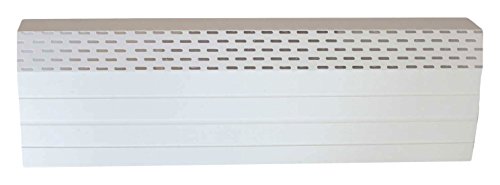
NeatHeat’s 6ft front cover offers a flexible, easy-to-install option for longer baseboard runs. Its design accommodates a variety of baseboard brands and can be cut to fit with standard tools. The emphasis is on straightforward installation with a clean, unobtrusive finish.
Best for: Larger rooms or long baseboard runs where a simple, tool-light solution is preferred. Selection rationale: single-piece cover reduces seams; however, ensure the length matches your heater to avoid overhang. Caution: measure carefully to avoid gaps at ends.
NeatHeat 4ft Baseboard Front Cover

This NeatHeat 4ft option is a compact solution for smaller rooms. It emphasizes easy installation with no special tools and is designed to fit a broad range of baseboard sizes. The brand emphasizes clear measuring guidance for best results.
Best for: Quick upgrades in bedrooms or small living spaces. Selection rationale: budget-friendly and simple; caution: confirm compatibility with your specific baseboard height and depth before purchasing.
Bvlikorr 4Ft DIY Size Baseboard Cover

Bvlikorr’s 4ft DIY kit uses a snap-on, tool-free design with end caps for easy slip-on installation. The white powder-coated finish resists rust and is designed to look stylish across living spaces, bedrooms, and baths.
Best for: DIY enthusiasts who want a rust-resistant, straightforward install. Selection rationale: fits most standard pipes; caution: verify exact height and depth requirements against your heater model.
Saree Upgraded 4 FT Baseboard Cover

The Saree kit includes left and right endcaps for a precise fit. It’s designed to replace old covers on electric and hydronic systems and features galvanized steel with a bright white enamel finish. The kit is suitable for a clean, contemporary look across rooms.
Best for: Replacing older, rusty-looking covers with a precise-fit kit. Selection rationale: endcaps help secure the cover on both left and right sides; caution: ensure exact fit to your heater dimensions to avoid mismatches.
Buying Guide
What matters most when choosing a baseboard heater cover that looks good in wood tones?
- Fit and measurements: Confirm height, depth, and length. Some covers are designed for specific ranges (e.g., not exceeding 7-1/2 inches from floor to back plate).
- Material and finish: Powder-coated steel provides rust resistance and durability. A wood-tone or walnut finish enhances compatibility with wood interiors.
- Installation style: Tool-free snap-on designs are easiest; traditional covers may require brackets or screws. Consider whether you want endcaps included for clean edges.
- Ventilation and airflow: Slotted or vented designs help maintain even heat distribution around the unit.
- Compatibility: Some covers are marked for hydronic or electric baseboards. Ensure the kit matches your system type.
- Maintenance: Removable covers simplify cleaning; check whether the brackets or end caps detach for wiping down.
Practical buying tips
- Measure twice, purchase once: Use a tape measure to capture length, height, and depth, then compare with product specs.
- Choose modular kits if you expect future room changes or heater upgrades.
- Prefer rust-resistant finishes for long-term appearance and durability.
- Look for clear installation instructions or video guides to reduce DIY mistakes.
FAQ
- Q: Are baseboard covers safe for high temperatures? A: Yes, most metal covers are designed to withstand typical baseboard temperatures, but confirm the material’s heat tolerance in product specs.
- Q: Can I install these covers myself? A: Many covers are designed for DIY installation with tool-free options or basic tools. Always follow the included instructions.
- Q: Will a wood finish match my living room furniture? A: A walnut or wood-tone finish can blend with wood furniture and trim, improving overall cohesion.
- Q: Do these covers affect heating efficiency? A: Properly vented designs help maintain airflow around the heater, supporting even heat distribution.
- Q: How do I know if a cover fits hydronic or electric heaters? A: Check product notes for compatibility with hydronic or electric baseboards, and measure element depth if specified.
- Q: Can I return a cover if it doesn’t fit? A: Return policies vary by seller; review the Amazon listing for fit guarantees and returns before purchase.