Clear shellac wood finishes seal, protect, and enhance the natural beauty of wood without adding color. This guide compares five top options to help you choose the right product for tasks like trim, furniture, and paneling. Best for quick-drying sealing, odor control, and non-yellowing protection, these picks cover spray and brush-on formats. The top picks are ideal for small projects, large projects, or professional use depending on your needs.
| Product | Best For | Notes |
|---|---|---|
| Zinsser Bulls Eye Shellac Traditional Finish & Sealer Spray | Fast spray-on seal, small projects | Non-toxic, odor-blocking |
| Zinsser Bulls Eye Shellac Traditional Finish & Sealer | Brush-on, larger surfaces | Gallons available, non-yellowing |
| Zinsser Bulls Eye Shellac 3-Pack | Multiple rooms or batch projects | Convenient trio of cans |
| Minwax Polycrylic (Water-Based) | Clear protective top coat for interior wood | Non-yellowing, low odor |
| Varathane Water-Based Crystal-Clear Ultimate Polyurethane | Fast-drying, easy cleanup | Satin finish, interior use |
Zinsser Bulls Eye Shellac Traditional Finish & Sealer Spray
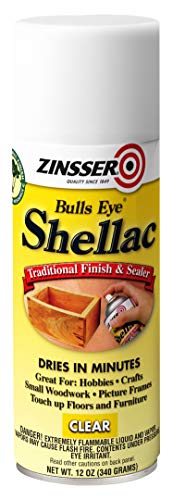
Zinsser Bulls Eye Shellac Spray delivers a traditional shellac finish that also acts as a sealer. It dries quickly and is non-toxic, making it suitable for indoor projects where odor control matters. This spray is best for small furniture pieces, trim, and decorative items where a fast, even coat is desired. A key limitation is that shellac can be softer than polyurethane and may require reapplication in high-traffic areas. Use this if you need a fast-delimiting seal and odor-blocking properties.
Who it’s best for and why chosen
- Best for quick, on-the-spot sealing of light projects where odor control is important.
- Ideal for homeowners finishing hobby projects, photo frames, or small furniture pieces.
Zinsser Bulls Eye Shellac Traditional Finish & Sealer

This traditional shellac is a broad-use sealer and finish for wood trim, paneling, and furniture. It remains non-toxic and non-yellowing, with fast dry times. Coverage per gallon is robust, making it suitable for medium to large projects. The main caution is that shellac’s moisture sensitivity can require careful storage and reapplication if exposed to humidity. Choose this for project-wide shells where you need a clear, classic shellac look that won’t amber with age.
Who it’s best for and why chosen
- Best for room-scale wood finishing where you want a uniform clear shellac coat.
- Selected for its reliability in traditional shellac sealing and durability without altering color.
Zinsser 301 Bulls Eye Shellac Traditional Finish & Sealer
Protective shellac sealer for wood trim, paneling, and furniture. It dries to touch in about 30 minutes and can cover a broad area per gallon. This option is non-toxic and won’t darken or yellow with age, which keeps light woods looking natural. It is especially suitable for large projects requiring a consistent shellac seal. The limitation is that shellac is not water-resistant like polyurethane and may require a finish over it in damp environments. Use this when you need a durable, clear finish that maintains true color in a larger space.
Minwax 25555 Clear Polycrylic Protective Finish
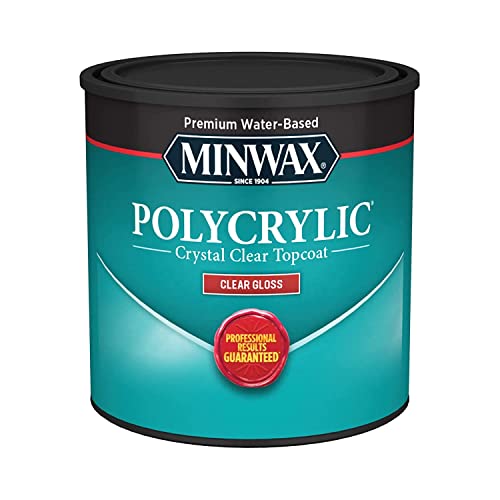
Minwax Polycrylic is a water-based protective finish that protects interior wood surfaces. It provides a crystal-clear finish that is non-yellowing and low odor, making it suitable for light-colored woods like maple or birch. It is a versatile top coat over stains and colors. For best results, apply multiple thin coats and allow proper drying between layers. It’s a strong choice when you want a durable, clear coat without the amber tone associated with oil-based finishes. A potential limitation is slightly less scratch resistance than some polyurethane products.
Minwax Polycrylic Protective Wood Finish, Satin

Minwax Polycrylic Satin offers a clear, satin-sheen protective finish for interior wood. It protects wood surfaces and adds a sleek, modern look without yellowing. This finish is compatible with both oil-based and water-based stains and suits most interior wood projects, including furniture and trim. A caution is that satin sheens may require careful brushing to avoid streaks on wide surfaces. Choose this if you want a balanced sheen with robust protection and easy cleanup.
Varathane Triple Thick Polyurethane Clear Wood Finish

Varathane Triple Thick Polyurethane is a self-leveling, one-coat-capable polyurethane offering scratch and stain resistance. It provides a durable, clear gloss that suits furniture, doors, and trim. It’s a water-based formula that dries quickly and covers sizeable areas, making it convenient for mid-to-large projects. Best for those who want fast results with the convenience of one-coat leveling, but note that thicker coats may require more careful application to avoid bubbles.
Varathane Water-Based Crystal-Clear Ultimate Polyurethane

Varathane Crystal-Clear Ultimate Polyurethane offers fast-drying protection for indoor wood surfaces with a satin finish. It is a water-based protective coat that cleans up with soap and water and dries to the touch quickly. It’s suitable for cabinets, windows, and trim. This option is best for projects where you need a clear, modern finish with minimal odor and easy recoat timing. A potential drawback is that some users may prefer shellac over polyurethane for non-yellowing in very light woods.
Buying Guide: Clear Shellac and Related Finishes for Wood
What is shellac, and when should you choose it?
Shellac is a natural resin used as a finish and sealer. It dries quickly, dries to a hard surface, and provides a clear look that doesn’t alter wood color. It’s ideal for light woods, furniture, and trim where rapid repair and odor control are priorities. It is not as water-resistant as polyurethane, so it’s best for indoor, low-moisture environments or surfaces that won’t face heavy moisture exposure.
Spray vs. brush-on: which is better?
Spray shells are convenient for even coats on detailed surfaces and larger trim work, reducing brush marks but requiring ventilation and masking. Brush-on formulas give more control for small, intricate areas and can build thicker coats gradually. Consider project size, detail, and your comfort with spray finishing when choosing.
Water-based vs. oil-based options
Water-based finishes (polycrylic or polyurethane) dry quickly, are low odor, and resist yellowing. Oil-based shellacs, while less common today, can offer deeper warmth. For lighter woods and a non-yellowing result, water-based products are typically preferable.
Durability and maintenance considerations
For high-traffic surfaces or furniture, durable polyurethane finishes may outperform shellac in durability and water resistance. If you need a finish that’s easy to touch up, shellac can be repaired by reapplying a thin coat. Always sand lightly between coats for best adhesion and smoothness.
Application environment and safety
Work in a well-ventilated area and follow product safety instructions. Some shellac sprays can release strong odors; consider odor-blocking options if sensitive to smells. Store shells in sealed containers away from heat and moisture, especially for shellac-based products.
Summary of top considerations
- Project size: Small projects benefit from spray options; large rooms may require gallon-size shellac or a polycrylic.
- Wood type: Light woods prefer non-yellowing formulas; some shells can darken with age if not carefully chosen.
- Finish look: Satin, gloss, or clear; choose based on your desired sheen and maintenance needs.
- Moisture exposure: For kitchens or bathrooms, select a more water-resistant finish like polyurethane over shellac.
FAQ
- What is the main difference between shellac and polyurethane?
Shellac is a natural finish that dries quickly and is easy to repair but less resistant to water. Polyurethane offers stronger protection against moisture and scratches, with water-based options providing low odor and easy cleanup.
- Can shellac be used on all wood types?
Shellac works well on many woods but can appear more amber on darker species and is not ideal for high-humidity areas.
- Is shellac good for light-colored woods?
Yes, shellac maintains the natural color and is often recommended for light woods like pine, maple, and birch to avoid yellowing.
- How many coats are needed for a durable finish?
Typically 2-3 coats deliver good protection, with light sanding between coats; follow product-specific guidelines for best results.
- What’s easier to clean up after finishing?
Water-based finishes (polycrylic or polyurethane) clean up with soap and water, making cleanup easier compared to solvent-based finishes.