Need a reliable 12 inch drywall trowel for smooth joints, plaster, or compound application? This guide highlights five top options, each suited to different user needs—from heavy-duty professional use to DIY projects. Look for durability, blade material, and ergonomic design to reduce fatigue. The following table summarizes the five selected products for quick comparison.
| Product | Brand | Size | Best For |
|---|---|---|---|
| LEVEL5 12″ x 4.75″ | LEVEL5 | 12″ x 4.75″ | Professional finishing with high durability |
| Goldblatt RED 12″ x 4″ | Goldblatt | 12″ x 4″ | Balanced lightweight finish with soft grip |
| Bates- Taping Knife 12″ | Bates Choice | 12″ | Smooth joint compound application |
| tasainu 11.8″ x 3.8″ | tasainu | 11.8″ x 3.8″ | Versatile for drywall and masonry tasks |
| SUMED Professional Drywall Finish Trowel 13.7×4.1 | SUMED | 13.7″ x 4.1″ | Ergonomic, durable for contractors |
LEVEL5 12″ X 4.75″ 0.7 Mm Flat Drywall Trowel
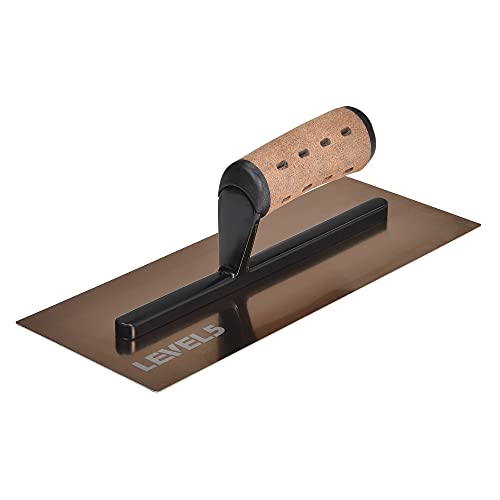
The LEVEL5 finishing trowel uses premium European hardened stainless steel blades and a powder-coated aluminum handle mount for rigidity and light weight. This blend supports long, smooth passes with minimal chatter. Best for professional finishers who need durability for daily use. A potential limitation is that metal-to-metal wear can occur with heavy duty use over time, depending on joint material.
Best for: Pro finishers and serious DIYers who require a robust, long-lasting blade and stable handle.
Tip: Choose this if you prioritize blade rigidity and a durable handle assembly for frequent use on drywall board applications.
Goldblatt RED 12” x 4” Stainless Steel Finishing Trowel

This trowel features a magnesium shank to reduce weight while increasing strength, delivering better balance and control. The PP+TPR handle offers a soft grip, making it comfortable for extended use. The stainless steel blade resists rust and corrosion, ensuring a smooth, flat mortar or plaster surface. A caveat is that magnesium shank designs can be less rigid than full steel in some heavy-duty scenarios.
Best for: Users seeking a lighter tool with good balance and consistent finishes over long sessions.
Note: May be slightly less rigid than heavier all-steel models in continuous high-pressure work.
Bates- Taping Knife, 12 Inch

This 12-inch tapping knife is designed for smooth, efficient drywall finishing. Made with a high-quality stainless steel blade for durability and rust resistance, it offers a flexible edge ideal for precise joint compound application. The tool is best for seamless seams and a flawless finish, though it may be less suitable for heavy mortar work where a broader blade is preferred.
Best for: Professionals and DIYers focusing on even joint compound application and clean seams.
Limitation: Not optimized for wide flat finishes on very large surfaces compared with broader trowels.
11.8×3.8 Inch Concrete Finishing Trowel
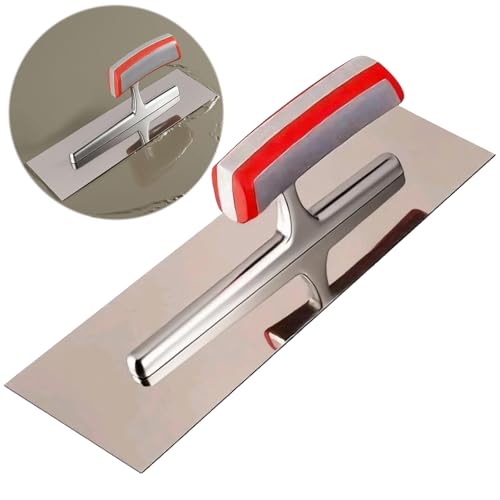
At 11.8 x 3.8 inches, this trowel fits drywall and masonry tasks with a versatile 3-in-1 function as a concrete trowel, hand float, and curb trowel. The blade provides even finishes across cement, plaster, drywall, and tile. It is best for users who need a multi-purpose tool but may be a bit compact for very wide drywall surfaces.
Best for: Projects requiring a compact, multi-use tool for smooth finishes on multiple surfaces.
Limitation: Slightly narrower than a true 12″ finish trowel, which can affect large-area speed.
Buying Guide: 12 Inch Drywall Trowel Essentials
What material should I choose?
Stainless steel blades resist rust and provide consistent spreads. Magnesium or magnesium-assisted structures reduce weight, improving balance, but can be less rigid than full steel in demanding tasks.
How important is handle design?
Ergonomic handles reduce fatigue on long projects. Look for soft grips, reinforced cores, and secure blade rivets for longevity. Aluminum or magnesium mounts offer lightness; steel offers maximum rigidity.
Blade width and thickness matter
A wider blade covers more area per pass, speeding up large surfaces. Thicker blades resist flexing for a flatter finish, but heavier weight may increase fatigue. Match blade geometry to your project scale and comfort level.
Which features improve longevity?
Powder coating, rust-resistant blades, and rivet-through designs contribute to blade stability in daily shop use. Look for tools designed for repeated, professional-grade tasks rather than occasional DIY jobs.
Choosing by use case
For professional drywall finishers, a rigid stainless blade with a solid handle and a slightly heavier feel can yield the most consistent results. For DIY tasks, a lighter trowel with good grip and easier handling may be preferred to reduce fatigue over shorter sessions.
Maintenance tips
- Wipe blades clean after use to prevent compound buildup.
- Dry thoroughly to avoid rust on non-stainless parts.
- Store flat to maintain blade straightness and edge integrity.
FAQ
- What is the standard size for a 12-inch drywall trowel?
Most 12-inch trowels measure around 12 inches in blade length and 3.5 to 4.75 inches in width, designed to cover wide areas efficiently.
- Should I prefer stainless steel or magnesium trowels?
Stainless steel blades resist rust and provide durability; magnesium helps reduce weight for comfort, but may be less rigid in very heavy use.
- Is a soft-grip handle worth it?
Yes, for extended sessions, a soft-grip or ergonomically designed handle reduces fatigue and improves control.
- Can I use a finishing trowel for both drywall and concrete tasks?
Many finishing trowels are versatile enough for drywall and light concrete work, but ensure the blade is suitable for the specific material and finish you need.
- What should I look for in a professional-grade trowel?
Durable blade material, rigid mounting, balanced weight distribution, and a comfortable grip are key indicators of a professional tool.
- Are there downsides to very lightweight trowels?
Very lightweight blades may flex more, potentially affecting flatness on large surfaces; balance is important.