Water-based acrylic varnishes protect, enhance, and extend the life of paintings without yellowing or strong odors. This guide highlights five top options, explaining who each product is best for and why it stands out. Ideal buyers include beginners seeking clear protection, hobbyists aiming for a durable glossy finish, and professional artists needing archival, non-yellowing seals. The table below compares key points to help you decide at a glance.
| Product | Finish Type | Best For |
|---|---|---|
| Liquitex BASICS Gloss Varnish | Gloss | Artists seeking vibrant color with a clear, permanent seal |
| PRAZISCHUTZ Glossy Acrylic Varnish | Gloss | Professional and hobby artists needing durable, fast-drying gloss |
| GRANOTONE Clear Coat Acrylic High Gloss | High Gloss | Artists wanting strong protection and a glass-like sheen |
| MCTRHG Clear Acrylic Paint Sealer | Gloss | Users desiring crystal-clear, self-leveling finish and UV protection |
| Liquitex Professional Satin Varnish | Satin | Those needing a non-glossy yet protective archival coating |
Note: All products listed are water-based and designed to protect acrylic artworks with varying finishes. Each choice reflects common painting scenarios, from bright, pop colors under gloss to subtle, professional satin protection. The selections prioritize clarity, durability, and minimal yellowing for long-term display.
Liquitex BASICS Gloss Varnish

Finish: Gloss. This permanent gloss varnish protects finished paintings and can be mixed with matte varnish to adjust sheen. It dries to a clear, non-yellowing finish, making colors appear richer and more vibrant. Best for artists who want a bright, glassy look and a straightforward sealing process. Limitation: gloss finishes may emphasize brushstrokes more than satin or matte coats.
MCTRHG Clear Acrylic Paint Sealer
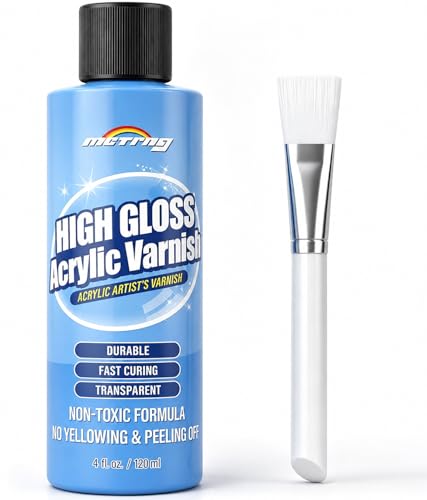
Finish: Gloss. This sealer provides a crystal-clear wet-look gloss with permanent protection and a self-leveling, haze-free finish. It resists yellowing and UV exposure to keep colors vivid. Best for artists who want a bold shine and minimal brush marks. Caution: fast-drying formulas may require quick, even passes to avoid visible streaks on large areas.
GRANOTONE Clear Coat Acrylic High Gloss

Finish: High Gloss. This varnish is designed for top-tier protection with a crystal-clear sheen. It’s suitable for both professional artists and hobbyists, offering durability and resistance to yellowing. Best for works needing a bold, glassy finish that endures handling. Limitation: data notes a potential for crazing if applied too thickly on certain textures; apply thin coats for best results.
Acrylic Varnish By Nozerix

Finish: Gloss. This gloss varnish aims to protect color integrity and minimize color shift over time. It emphasizes long-lasting gloss and color retention for canvases and wooden surfaces. Best for artists seeking a clear, flexible protective layer. Caution: some users report variability in brush-mark visibility depending on application technique; smoother passes yield better results.
Liquitex Professional Satin Varnish
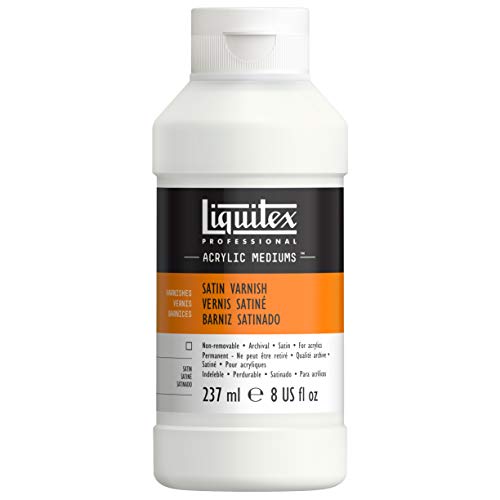
Finish: Satin. This archival, non-removable varnish dries to a non-tacky, flexible surface and remains non-yellowing and water-resistant when dry. Best for artists who want a balanced finish that reduces glare while protecting details. Caution: satin finishes can mute some color brightness compared to gloss, so consider lighting and display context when choosing satin.
Buying Guide
What finish should I choose?
Gloss varnishes deliver vibrant color and a shiny surface, ideal for artworks requiring strong visual impact. Satin finishes provide a middle ground with reduced glare and better readability under various lighting. Matte finishes obscure some texture but reduce reflection. Choose based on your preferred presentation and lighting in display spaces.
Is a water-based varnish suitable for outdoor use?
Most water-based acrylic varnishes offer some UV protection and durability, but outdoor longevity varies by product. For exterior use, look for varnishes explicitly labeled for outdoor or UV resistance and consider additional protective layering or sealing strategies for weather exposure.
How do I apply varnish without streaks?
Use even, smooth strokes and apply thin coats. Maintain a clean, level workspace and avoid over-brushing. If a brush leaves marks, switch to a high-quality synthetic brush or use a spray-on varnish for even coverage when appropriate.
How many coats are needed?
Most projects benefit from 1–2 thin coats. Allow full drying between coats and inspect for uniform gloss or sheen. Over-coating can lead to milky or clouded finishes on some surfaces.
Which product provides UV protection?
Several varnishes emphasize UV resistance, such as MCTRHG and PRAZISCHUTZ options. If UV protection is critical for your work, verify the product specifications and consider a UV-resistant varnish as a primary layer.
Safety and handling considerations
Work in a well-ventilated area and follow manufacturer directions. Some products are low-odor, but avoid inhaling fumes. Keep varnishes away from heat sources and store upright when not in use.
FAQ
- What is the main difference between gloss and satin varnish? Gloss provides the brightest color and highest shine, while satin offers a softer, less reflective finish with more subtle color depth.
- Will varnish yellow over time? High-quality water-based varnishes are designed to resist yellowing when fully cured, though improper application or exposure conditions can affect appearance.
- Can I mix matte and gloss varnishes? Yes, mixing finishes can tailor sheen. Start with small test swatches to confirm the final look.
- Is brushing better than spraying? Brushing works well for most surfaces, but spraying can yield ultra-smooth, even coats on large works. Follow the product’s guidelines.
- How long to dry between coats? Allow the recommended cure time on the product label, typically several hours, before applying the next coat.
- Are these varnishes non-toxic? Many are formulated to be non-toxic, but always check the label and use appropriate ventilation and protective gear as advised.