Answering the common search for accurate corner coverage, these foam corner roller kits and edgers are designed to deliver clean lines in tight spaces. They’re best for DIY homeowners and project enthusiasts working on interior walls, trim areas, soffits, and other hard-to-reach corners. The top picks here emphasize durability, ease of use, and compatibility with water-based and oil-based paints. Use the summary table to compare core strengths at a glance.
| Product | Best For | Key Benefit |
|---|---|---|
| Purdy Foam Corner Roller 10-1/2″ | Trim-heavy rooms | Reinforced cores for durability |
| QWORK Corner Edger Kit | High-reach corners | Extended reach via threaded handle |
| KUPOO Corner Edger Kit | All-around corner work | 3-piece set with durable sleeve |
| Shur-Line 7170C | Lint-free finish | Smooth finish with all paints |
| Hard-to-reach edges | Round-tip covers for corners |
Purdy Foam Corner Roller 10-1/2″

Brand: Purdy
Features: For trim and small areas, reinforced cores for durability, threaded grip handle accept extension pole
Best for: Precision work in tight corners and trim zones where a small footprint is advantageous. The reinforced core helps maintain shape for repeated edge passes, making it ideal for clean lines in bathrooms, kitchens, and other trim-heavy spaces.
Why selected: This foam corner roller emphasizes durability and a threaded handle for longer reach, which reduces wrist strain during extended paint sessions. It is especially suitable when you want consistent coverage with minimal shedding.
Caution/limitation: Not the best option for lacquer or shellac finishes; use with water-based or latex paints for best results.
QWORK Corner Edger Kit
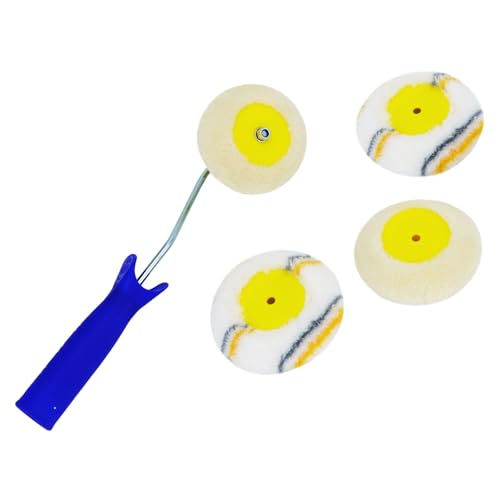
Brand: QWORK
Features: Versatile application for corners and edges; high compatibility with water-based, oil, enamel paints, stains, and drywall compounds; extended reach via threaded broom handle compatibility
Best for: Projects requiring adaptable corner work across different coatings, including stains and drywall mud. The extended reach option helps when ceilings, tall walls, or tight alcoves are involved.
Why selected: Its multi-material compatibility and extendable reach address common DIY constraints, offering a flexible solution for seasoned painters and weekend warriors alike.
Caution/limitation: Complex setups may require additional components for optimal balance when attached to long handles.
Corner Edger Kit by KUPOO

Brand: KUPOO
Features: Corner rollers for superior finish in corners; compatible with water-based, oil, enamel paints, stains, drywall compound, and cleaning fluids; sturdy grip with threaded handle compatibility
Best for: Achieving crisp corner lines where emulsion paints or stains are involved. The kit’s design targets both inside and outside corners for comprehensive edge control.
Why selected: The emphasis on corner-specific design and a robust grip makes this kit a strong choice when corner accuracy is a priority over broad-wall coverage.
Caution/limitation: Inspect sleeves for shedding after heavy use; replace worn sleeves to avoid lint in your finished edge.
Shur-Line 7170C Foam Corner Roller

Brand: SHUR-LINE
Features: Creates a smooth finish without brush marks or lint; compatible with all paints; not for lacquer or shellac
Best for: Quick corner coverage where a lint-free, smooth finish is essential. This is a solid choice for general interior painting with latex or water-based paints.
Why selected: Its emphasis on lint-free performance helps reduce cleanup and touch-up, making it reliable for consistent results across multiple corners.
Caution/limitation: Not suitable for lacquer-based finishes, so plan accordingly if using specialty coatings.
Corner Edger Kit by Axrivonte

Brand: Axrivonte
Features: Complete corner painting kit with 4 roller heads; dual-head design for interior and exterior corners; durable, lint-free polyester fiber covers
Best for: Ambitious projects requiring flexibility and a complete set of corner tools for both inside and outside edges. Good for consistent performance across multiple rooms.
Why selected: The complete kit design and durability of the roller covers make it a practical choice for ongoing corner work, especially in corners with tight radii.
Caution/limitation: With multiple heads, use proper storage to prevent covers from bending or deforming between uses.
Buying Guide: Corner Edge Tools for Precision Painting
What to consider when choosing a foam corner roller set
- Material compatibility: Check whether the kit works with water-based and oil-based paints, and whether it can handle stains or drywall compounds.
- Corner coverage design: Look for V-shaped or round-tip sleeves for best corner conformity and minimal edge gaps.
- Handle compatibility: If you plan to extend reach, ensure the tool accepts threaded handles or standard extension poles.
- Durability and shedding: Durable cores and lint-free sleeves reduce rework and cleanup after painting.
- Size and weight: Larger rollers cover more area but may be less maneuverable in tight corners; smaller heads are more precise.
Best-use scenarios
- Small trim areas: Purdy and SHUR-LINE options excel for precise, lint-free edges near moldings.
- High or hard-to-reach corners: Kits with extension compatibility (like QWORK) help reach ceilings and alcoves.
- All-purpose corners: KUPOO and Axrivonte provide versatile coverage suitable for interior corners and mixed surfaces.
Maintenance tips
- Clean sleeves promptly after use to extend life and reduce lint transfer.
- Inspect for wear or shedding; replace sleeves when fibers start loosening.
- Store tools with sleeves off to prevent bending or shape loss.
FAQ
- What is the advantage of a foam corner roller?
They minimize brush marks and lint, delivering a smooth edge in corners and tight spaces. - Can I use these with enamel paints?
Some kits are compatible; check the product features for paint compatibility before use. - Do these kits fit extension poles?
Many are designed to accept threaded handles or standard poles for extended reach. - When should I replace the sleeves?
If there is noticeable shedding, fiber fraying, or uneven coverage, replace the sleeve. - Are corner edgers suitable for all walls?
They work best on smooth to lightly textured surfaces; overly rough textures may require brush work for final touches.