For buyers seeking odorless wood paints, the right choice balances low emissions with durable coverage. This guide highlights five odorless or low-odor options ideal for furniture, cabinets, and trim. It explains who each product is best for and why it stands out, with practical cautions to consider before purchasing. The top picks favor water-based formulas, easy application, and minimal drying time to support quick projects for DIYers and professionals alike.
| Product | Brand | Size | Odor/ VOC Notes |
|---|---|---|---|
| DWIL Matte Finish Furniture Paint (Black) – 16 Oz | DWIL | 16 oz | Odorless, water-based |
| Rust-Oleum Painter’s Touch Latex Paint (Semi-Gloss Black) – Quart | Rust-Oleum | 1 qt | Low odor, water-based |
| DWIL Matte Finish Furniture Paint (White) – 16 Oz | DWIL | 16 oz | Odorless, water-based |
| Varathane Total Control Gel Stain (Dark Walnut) – Half Pint | Varathane | 0.5 pt | Low odor, water-based gel |
| DWIL Wood Furniture Paint (32 Oz White) | DWIL | 32 oz | Odorless, low odor, water-based |
DWIL Matte Finish Furniture Paint — Black, 16 Oz

Best for: small to mid-size DIY projects on wood furniture in low-traffic areas. This water-based, odorless formula forms a protective film without priming, allowing direct application. It dries quickly for multiple coats in a day, making it suitable for rapid refinishing of cabinets, tables, doors, and dressers. The absence of sanding reduces prep time, though a light clean may still help adhesion in rougher surfaces.
Why selected: It combines odorless composition with easy direct-to-wood performance, offering fast drying without sacrificing finish quality. The included tools support a complete mini kit, aiding beginners and experienced painters alike.
Caution: Avoid heavy wear zones without an additional top-coat; for high-traffic surfaces, consider a protective topcoat after the paint cures.
Rust-Oleum Painter’s Touch Latex Paint — Black, 1 Quart
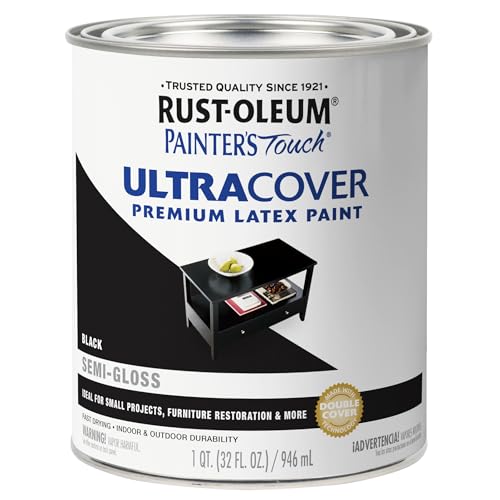
Best for: projects requiring versatility on indoor and outdoor wood, metal, plaster, and more. The low-odor formula is well-suited for mixed-material spaces and quick-turnaround projects where odor reduction matters. It offers good coverage and a soft, durable finish after drying.
Why selected: Its broad surface compatibility and low-odor profile make it a reliable all-around choice, especially for spaces where odors from paints can be disruptive. It dries to the touch relatively quickly, aiding project speed.
Caution: Expect a flatter finish than gloss options; for a sheen, additional topcoats may be needed after curing.
Varathane Total Control Gel Stain — Dark Walnut, 0.5 Pint

Best for: projects requiring deep, even color on vertical and horizontal surfaces, including doors, trim, and wood furniture. Gel formulas help resist running on vertical surfaces and provide a uniform finish with low odor.
Why selected: The thick gel consistency minimizes drips and yields higher control for detailed work. It’s ideal when a uniform stain with a natural wood look is desired in spaces with limited ventilation.
Caution: Gel stains can require longer curing times to achieve full hardness; plan staging if applying multiple coats.
DWIL Wood Furniture Paint — White, 32 Oz

Best for: larger projects or refreshed wardrobes of white-painted furniture. This 32-ounce option offers extended coverage while maintaining an odorless, low-VOC profile. It’s suitable for kitchens, living rooms, or bedrooms where a clean, bright finish is desired and ventilation may be limited.
Why selected: The all-in-one kit approach eases the project flow, providing tools and instruction for a smoother process, especially for DIY newcomers. The paint combines durability with a safer indoor environment.
Caution: White finishes can highlight dust and fingerprints; regular cleaning helps maintain the look and longevity of the finish.
Buying Guide: Odorless Wood Paint Essentials
What makes a wood paint odorless or low-odor?
Odorless or low-odor paints use water-based formulas and reduced volatile organic compounds (VOC). They release fewer fumes during application and cure, improving comfort for indoor projects and homes with sensitive occupants.
Is primer required with odorless wood paints?
Many odorless acrylic paints claim to adhere directly to wood without primer, saving prep time. For rough or glossy surfaces, lightly cleaning and de-glossing can improve adhesion. Always follow product-specific guidance.
Which finishes and colors work best indoors?
Matte and satin finishes generally show fewer surface imperfections and hide wear well on furniture. Lighter colors like white require more thorough cleaning to stay pristine, while darker colors can highlight dust. Gel stains are excellent for a rich, even color on vertical or irregular surfaces.
How to choose by project type?
For cabinets and dressers in low-traffic rooms, a quick-drying matte or neutral color can be ideal. For high-traffic tables or dressers, pair odorless paint with a durable topcoat. For projects in rooms with limited ventilation, select a low-odor option with proven coverage on wood.
Application tips for best results
- Clean surfaces thoroughly; wipe away dust and oils before painting.
- Test color and finish on a hidden area before full application.
- Apply in thin, even coats; allow proper drying time between layers.
- Use the included tools when provided for a complete, consistent finish.
Frequently asked questions
- Q: Are these paints safe for homes with children or pets? A: Many are labeled low odor or odorless and have low VOC content, making them safer for indoor spaces. Always ventilate during application and follow label directions.
- Q: Do odorless paints require sanding? A: Some products claim no sanding is required, but light cleaning or de-glossing can improve adhesion on glossy surfaces.
- Q: Can I use these paints on metal or plaster as well as wood? A: Several products are described as multi-surface or suitable for wood, metal, plaster, or ceramic; verify on the product page before use.
- Q: How long does curing take before placing items on the surface? A: Drying times vary; many paints dry to the touch within 30 minutes to a few hours, but full cure may take days depending on environmental conditions.
- Q: Is a topcoat necessary with odorless paints? A: For high-traffic surfaces, applying a protective topcoat after curing can extend durability.
- Q: Do these products require priming for best adhesion? A: Several options claim direct application to wood without priming; lighter sanding or de-glossing can improve adhesion on challenging surfaces.