For precise edges and tight spots, the right cutting brush makes all the difference. This guide highlights five top options that excel at cutting-in along trim, corners, and cabinets, while delivering smooth, streak-free finishes with latex, oil, and stain paints. Best for professional detail work, DIY remodels, and projects requiring sharp lines, these picks balance control, bristle durability, and edge accuracy. Below is a quick buying table to compare purpose and strength across the five highlighted brushes.
| Product | Best For | Key Advantage |
|---|---|---|
| Pro Grade Paint Brushes, 5-Piece Set | Walls, trim, cabinets | Complete range with a dedicated angle stubby for tight spaces |
| Wooster Q3211-2 Shortcut Angle Sash (2-Inch) | Tight spaces and quick edge work | Compact Shergrip handle for maneuverability |
| PinStone 3 Pack 2-Inch Angled Brushes | Edges, corners, trim | Shed-free synthetic bristles with crisp edges |
| Pro Grade 2-Inch Angled Paint Brush (3-Pack) | Trim, baseboards, cabinets | Value pack with reliable cutting-in capability |
| Purdy 2-1/2″ Angle Sash | Professional-grade cutting-in | Durable nylon/polyester bristles for edge control |
Pro Grade Paint Brushes 5-Piece Set
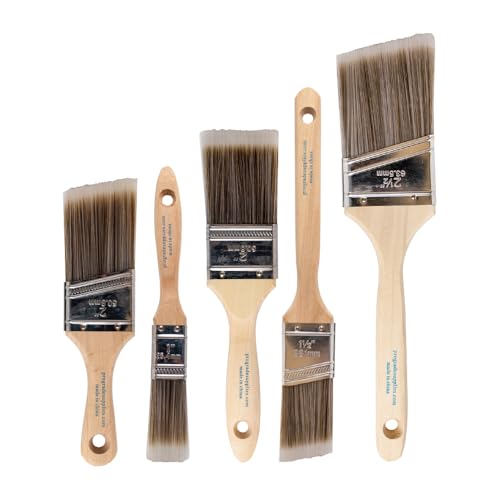
The 5-piece set includes 1″ Flat, 1.5″ Angle, 2″ Flat, 2″ Angle Stubby, and 2.5″ Angle brushes. It’s designed to cover walls, trim, cabinets, doors, and furniture, with a focus on cutting-in precision. Best for serious DIYers and professionals seeking a complete kit in one purchase. The bristles are locked with precision adhesive, reducing bristle fallout, and the coated ferrule supports consistent performance. Suitable for latex, oil-based paint, primer, sealer, and wood stain. A caution: the 2″ Angle Stubby adds extra control but may feel compact for broader coverage on large surfaces. Best for multi-surface projects and detailed work in a single set.
Who it’s best for: Professionals and DIYers needing a complete, all-in-one brush set with dedicated tools for tight spaces and broad surfaces alike. Perfect for cutting-in along trim and cabinets while maintaining a smooth finish across walls.
Wooster Q3211-2 Shortcut Angle Sash (2-Inch) – Pack of 2
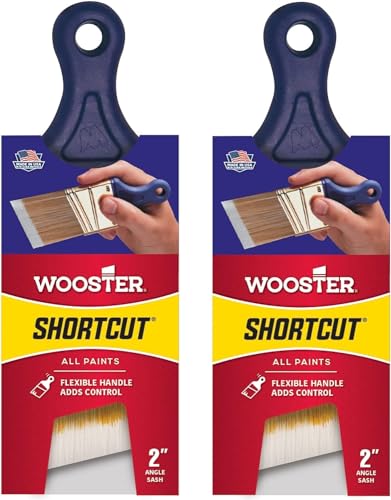
This 2-inch angled sash brush is designed for tight spaces with a short 2-inch Shergrip handle. White nylon and gold polyester blend bristles handle most paints, and the brass-plated steel ferrule adds durability. Better for small-scale trim, window sashes, and edge work where precision matters more than bulk coverage. Caution: Replacement packs may be needed if you frequently cut in across larger areas; these packs excel at detail rather than broad wall coverage.
Who it’s best for: Painters who regularly work in cramped spots like window frames, door casings, and sashes, where a shorter handle and precise edge control are essential.
Wooster Q3211-2 Shortcut Angle Sash (2-Inch) – Pack of 3

This set extends the same compact angle sash concept into a triple-pack, offering more value for contractors and homeowners tackling multiple rooms. The 2″ angle brush supports precise cutting-in, and the purple Shergrip handle enhances comfort in long sessions. Best for repeat trim work and quick touch-ups in multiple spaces. Limitation: The fixed 2-inch size may require switching to larger brushes for wide wall areas.
Who it’s best for: Projects that require multiple identical 2-inch edges across several rooms or for those who want backup tools for faster workflow in busy renovations.
PinStone 3 Pack 2-Inch Angled Brushes
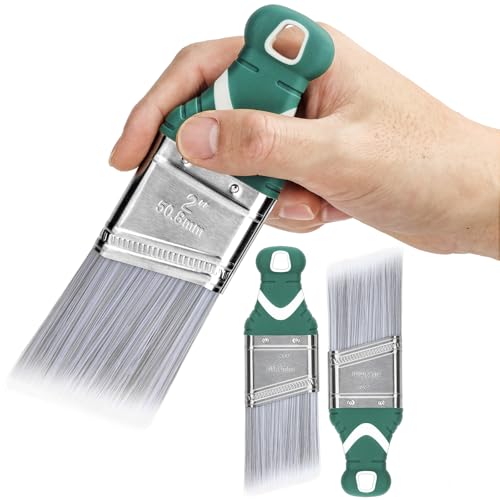
This set features three 2-inch angled brushes with synthetic bristles and a comfortable rubber grip. Its edge-cutting capability helps achieve sharp lines along trim and corners, with reliable paint hold and smooth finishes on both walls and cabinets. Best for homeowners and hobbyists who want consistent results across several small to medium cut-in tasks. A potential limitation is that these brushes may require more frequent cleaning when using oil-based paints.
Who it’s best for: Those who value a tri-pack of reliable 2-inch angled brushes for precise trim work and edge control in multiple rooms.
Pro Grade 2-Inch Angled Paint Brush (3-Pack)

Three 2-inch angled brushes provide controlled cutting-in around trim, baseboards, ceilings, and corners. The angled sash design supports precise lines and easier edge management for interior walls, cabinets, and furniture. Best for pros and DIYers tackling multiple rooms with a need for repeatable edge accuracy. Limitation: Per-brush cost can be higher than single-purpose brushes, but the bundle reduces total expense for multi-room projects.
Who it’s best for: Users who need dependable 2-inch cuts in several rooms, with a focus on clean lines and consistent performance across repeated tasks.
Purdy 2-1/2″ Angle Sash

Made in the United States, the Purdy 2-1/2″ Angle Sash offers durable nylon/polyester bristles and a hardwood handle. It’s suited for precise edge work and professional-grade results on trim and interior walls. Best for contractors and serious DIYers who value long-lasting performance and American-made manufacturing. Caution: The 2-1/2″ size is optimal for mid-sized cutting tasks but may be less maneuverable in extremely tight corners compared to smaller brushes.
Who it’s best for: Professionals who prioritize durability, edge control, and a robust build for frequent cutting-in work.
Zibra Precision Detail Brush, 2-Inch

This 2-inch precision detail brush emphasizes controlled cutting-in near trim, doorways, outlets, and hard-to-reach spots. It’s designed for all paints and stains with a pro-grade construction featuring aluminum inserts and epoxy glue. Best for precision-focused projects where clean lines are essential. Limitation: The brush’s focus on detail can make it less efficient for broad wall coverage without switching to larger tools.
Who it’s best for: Painters who need razor-sharp lines around trim and in tight corners, with sturdy construction for repeated use.
GACDR Slant Lining Fitch Trim Brushes (6-Pack)

This six-pack includes small slant brushes in 0.5″, 0.75″, and 1″ sizes, two of each. They’re designed for trim, edging, and cutting-in with high-density synthetic bristles that resist splaying and maintain a sharp edge. Best for pros and DIYers who need a complete set for edging and touch-up tasks. Caution: Smaller sizes require careful handling to maintain edge consistency across longer workflows.
Who it’s best for: Users needing a versatile trim set with multiple small sizes for tight spots and precise lines in a single purchase.
Buying Guide: Key Considerations For Cutting-In Brushes
Edge control, bristle type, and handle comfort should drive your choice. For cutting-in, angled brushes and short handles tend to offer better control in corners and along trim. Synthetic bristles provide consistent performance across water- and oil-based paints, while natural bristles excel with oil-based finishes but require more care.
- Brush size: Choose 0.5″ to 2.5″ for a mix of tight spots and broader trim work. Smaller sizes excel in corners; larger sizes speed edge work along baseboards and ceilings.
- Angled vs. flat: Angled sash brushes reduce over-brushing and improve line accuracy; flat brushes are best for smooth, broad edges.
- Handle design: Short Shergrip or compact handles enhance maneuverability in tight spaces and reduce fatigue during long cutting-in sessions.
- Set vs. single brush: A set offers versatile coverage for different tasks and ensures you always have the right tool for the spot.
- Maintenance: Clean brushes promptly after use; oil-based paints require thorough washing to preserve bristles and avoid stiff brushes.
Frequently Asked Questions
- What size brush should I use for cutting in along baseboards? A 1.5″ to 2″ angled sash brush provides good control and coverage.
- Are synthetic bristles better than natural for cutting in? Synthetic bristles resist shedding and work well with both water- and oil-based paints; natural bristles excel with oil-based paints but need more care.
- Is a short-handled brush better for cutting in? Yes, shorter handles improve maneuverability in tight spaces and enable tighter control along edges.
- Should I use multiple brushes at once? Using a mix of sizes (e.g., 1″, 2″, and 2.5″) helps achieve clean lines while covering different surface areas quickly.
- How do I prevent bristle loss during cutting-in? Look for brushes with precision adhesive bonding; keep bristles clean and store properly.
- When is a dedicated angle stubby brush worth it? For cabinets, window sashes, and tight corners, the angle stubby provides precise control where standard brushes struggle.