If you’re sealing paving stones, you want a product that protects against water, stains, and weather while preserving color and texture. This guide highlights five top options that balance protection, ease of use, and suitability for outdoor stone surfaces. The selections are ideal for homeowners, landscaping pros, and property managers seeking long-lasting results without changing the natural look of stone.
Summary table of chosen products:
- Miracle Sealants 511 Impregnator — Best all-around indoor/outdoor protection; invisible barrier; covers up to 500 sq ft per pint.
- DOMINATOR Stone Sealer 1 Gal — Best for restoring color and long-lasting protection on a variety of natural stones.
- MasonryDefender Patio Paver Sealer — Best for joint sealing and clear, low-gloss outdoor protection.
- Black Diamond Stoneworks Color Enhancer Sealer (1 Gallon) — Best for enhancing natural color while preserving breathability.
- DecorRom Wet Look Stone Sealer — Best for a high-gloss, dramatic finish with strong outdoor durability.
Miracle Sealants 511 Impregnator: Invisible Shield For Stone

Best for: Interiors and exteriors where a breathable, invisible barrier is desired. This penetrating sealer works on grout, ceramic and porcelain tile, travertine, marble, slate, granite, terrazzo, and more. It provides water and stain resistance without altering the surface’s appearance.
Why selected: It creates an oil- and water-resistant shield that penetrates stone and grout, reducing penetration of liquids while maintaining the natural look. It covers up to 500 square feet per pint, making it a cost-efficient option for many projects.
Limitations: As an impregnating sealer, it may require reapplication over time depending on foot traffic and weather exposure. It does not add a glossy or matte finish; it preserves color and texture rather than enhancing it.
DOMINATOR Stone Sealer 1 Gal

Best for: Outdoor patios and stone surfaces where color revival and long-lasting protection are priorities. Works well on travertine, flagstone, limestone, slate, Bluestone, and pavers.
Why selected: The product emphasizes reviving dull stone with a wet-look finish while providing durable, season-after-season protection. Its water-based formula is designed to shield against weather damage and stains without creating a high-gloss film.
Limitations: The wet-look effect may be too pronounced for stone surfaces where a natural look is preferred. Suitable for outdoor use; interior applications may yield different aesthetic results.
MasonryDefender Patio Paver Sealer
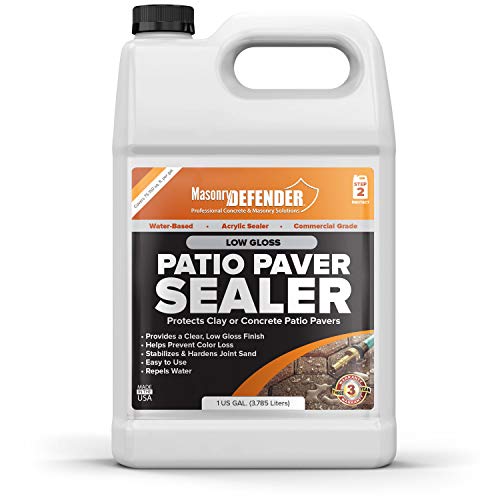
Best for: Outdoor patios and walkways with pavers needing a clear, low-gloss protection that resists color fade and weed growth in joints.
Why selected: This water-based acrylic sealer dries clear with a low gloss, protecting against fading while helping to stabilize joint sand and prevent weed growth. It’s versatile for clay bricks, pavers, and most horizontal concrete surfaces.
Caution: Because it emphasizes joint stabilization, results may vary on highly textured or very dark pavers. Ensure compatibility with existing joint materials before application.
Black Diamond Stoneworks Color Enhancer Sealer (1 Gallon)
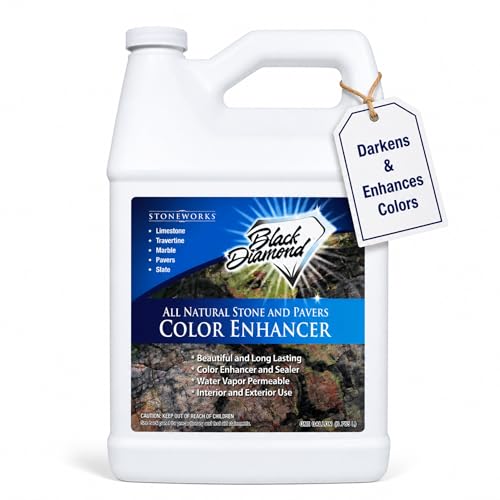
Best for: Natural stone and pavers where color depth and vibrancy are desired without masking texture.
Why selected: This water-based sealer enhances natural color, reviving the stone’s appearance while allowing breathability. It’s designed for a range of natural stones like marble, travertine, limestone, granite, slate, and concrete surfaces.
Limitation: As a color enhancer, it alters appearance more than a non-color sealant; consider whether you want subtle enhancement or a more pronounced finish.
DecorRom Wet Look Stone Sealer

Best for: Outdoor patios, driveways, and pool decks where a high-gloss finish and water resistance are prioritized. Suitable for slate, sandstone, travertine, and other natural stones.
Why selected: The product provides a high-gloss, long-lasting finish with UV and chemical resistance, reducing color fading and water damage. It’s a ready-to-use, low-odor option that performs well in outdoor environments.
Limitation: High-gloss finishes can highlight surface imperfections; test on a small area first to confirm the desired look.
Buying Guide: How To Choose The Right Stone Sealer
- Finish preference: Do you want an invisible, natural look (impregnator) or a visible finish (low gloss, wet look, or color-enhancer)? Choose based on how much you want texture and color to stand out.
- Outdoor durability: For driveways and patios, prioritize sealers with water resistance, UV protection, and weed-sand stabilization in joints. Water-based formulas are common for easy cleanup and safer odor.
- Stone type compatibility: Natural stone colors and textures vary; ensure the product lists travertine, slate, granite, limestone, or pavers as compatible surfaces.
- Maintenance cycle: Some sealers require reapplication sooner than others. Impregnators typically last longer between reapplications than surface coatings, which may wear with foot traffic and weathering.
- Application conditions: Check curing time, temperature range, and whether the formula is safe for interior use if you’ll seal indoor-outdoor transitions.
- Joint enhancement: If your stone setup includes exposed joints, consider products that seal joints or stabilize sand to prevent weed growth and ant colonies.
FAQ
- What is the difference between an impregnating sealer and a topical sealer? An impregnating sealer penetrates the stone to resist liquids without changing appearance, while a topical sealer sits on the surface and can create a film or gloss.
- Can I seal stone indoors and outdoors with the same product? Some sealers are formulated for both, but always confirm product specifications for indoor/outdoor use and ventilation requirements.
- How often should stone be resealed? It depends on foot traffic, weather exposure, and the product type. Impregnators often require less frequent reapplication than surface sealers.
- Will color-enhancing sealers change the stone’s natural color? Yes, color enhancers deepen and revive tones. Test on a small area to confirm the look you want before wider use.
- Do sealers protect against mold or efflorescence? Sealers improve water resistance, which helps reduce moisture-related issues, but they are not a substitute for cleaning and proper drainage.