Answering the exact need of molding projects, these saws offer clean angles, reliable cutting, and easy handling for both hobbyist projects and professional work. This guide highlights five saws that excel at molding cuts and trim work. The top picks include versatile miter tools, specialized crown molding devices, and compact blades for tight spaces. Best for: homeowners tackling crown or decorative molding, woodworkers fitting trim, and professionals who value accurate, repeatable cuts.
Quick Buying Table
| Product | Best For | Main Advantage | Limitations |
|---|---|---|---|
| Metabo HPT 10-Inch Miter Saw (C10FCG2) | General molding and trim | Powerful 15-Amp motor; accurate miter/bevel angles | Weight may be nominally higher for portability |
| JORGENSEN 10″ Dovetail Jamb Saw | Flush cuts and door frames | Spring-loaded reversible blade; rigid back | Specialty tool for jamb work; not a replacement for full miter saws |
| RUITOOL Japanese Hand Saw Ryoba | Precision wood cuts, flush cuts | Double-edged SK5 blade; flexible, sharp | Manual tool; slower for large runs |
| Kreg Crown-Pro Crown Molding Tool | Crown molding installations | Easy angles, compatible with common saws | Best used with compatible saws and setups |
| KATA Mini Hacksaw | Tight spaces, metal and wood cutting | Compact aluminum frame; interchangeable blades | Small size limits long cuts |
Metabo HPT 10-Inch Single Bevel Miter Saw
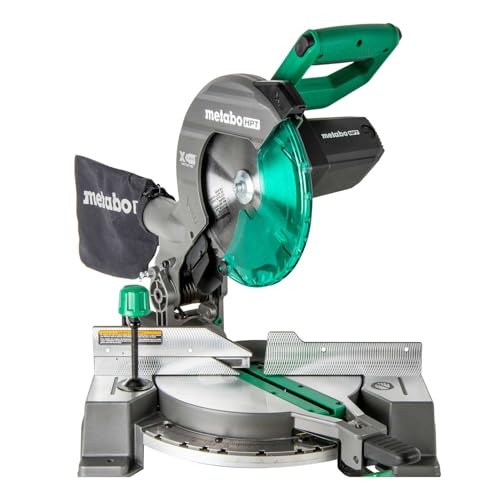
This 10-inch miter saw is built for accuracy with a 15-Amp motor and a no-load speed up to 5,000 RPM. It features a single bevel range of 0–45 degrees, precision miter angles, and an improved miter scale for exact cuts, making it suitable for most molding tasks. Best for: homeowners and small-shop woodworkers needing reliable general molding cuts with straightforward setup.
Why selected: It delivers consistent power for trim and small boards, and its lightweight design aids portability. Cautions: Ensure proper clamping and support on the large table when making long molding runs.
JORGENSEN 10″ Dovetail Jamb Saw

This 10″ saw excels at flush jamb cuts with a spring-loaded reversible blade and 13TPI double-ground teeth that hold sharpness. The SK5 blade and a rigid back enable true, straight cuts essential for tight trim joints. Best for: door casing, jamb work, and precise flush cuts around frames. Choose this if your project includes frequent jamb or tight-fitting molding gaps.
Why selected: The bidirectional blade feature reduces re-cutting and helps maintain clean profiles. Limitation: It’s a specialty tool; use alongside a full miter saw for broader molding runs.
RUITOOL Japanese Hand Saw Ryoba

The Ryoba is a double-edged saw designed for wood with a flexible SK5 blade offering both cross-cut and rip-cut capabilities. It supports precise, fine cuts and flush work when space is tight. Best for: detailed molding where you need control in narrow profiles or finish work. Limitations: Manual cutting requires more time for larger molding runs.
Why selected: Excellent for finish cuts and precise adjustments where power tools cannot access tight corners. Use in combination with power saws for broad molding tasks.
Kreg Crown-Pro Crown Molding Tool

The Crown-Pro is designed to simplify crown molding cuts by providing adjustable spring-based angles. It’s compatible with 10- and 12-inch miter saws and can handle crown profiles up to 5 1/2 inches wide. Best for: DIYers and pros installing crown molding with consistent results. Caution: It’s a guide accessory—correct alignment with your saw is essential for accuracy.
KATA Mini Hacksaw for Metal Cutting

The KATA mini hacksaw is a compact, durable option for tight spaces where large saws can’t fit. It uses an interchangeable blade system and a lightweight aluminum frame, making it suitable for both metal and wood trimming in constrained areas. Best for: cutting metal and small fragments in molding projects or when you need a quick cut in tight quarters. Limitation: Not ideal for long, straight molding runs.
Buying Guide: Key Considerations For Moldings
- Cut type and scope: Choose a full-size miter saw for broad molding runs and angled profiles; a jamb saw or hacksaw excels in tight spaces or special joints.
- Blade compatibility: Consider blade type (TCT, HSS, SK5) and tooth count to favor clean cross-cuts or fine finish work.
- Angle range and ease of adjustment: Look for clear, precise scales and a robust bevel range to avoid re-cuts.
- Portability vs. stability: Lighter tools improve transportability; ensure stable support for long molding pieces.
- Specialized crown molding aids: Crown-Pro-style guides reduce guesswork for common crown angles, especially when limited space is available.
- Ergonomics and comfort: Soft grips and balanced weight help during extended trim sessions.
Practical Tips For Molding Projects
- Always support molding pieces fully on a stable work surface to prevent binding and chipping.
- When using a miter saw, test cuts with scrap pieces to confirm the angle before committing to your final piece.
- Match blade type to material: use fine-toothed blades for hard woods and sharper metal blades for metals when applicable.
- For crown molding, consider a dedicated crown molding tool or guide to improve accuracy on compound angles.
- Keep blades sharp and clean; dull blades increase tear-out and rough edges on delicate moldings.
Frequently Asked Questions
- What is the best saw for molding trims?
– A full-size miter saw is ideal for most molding cuts due to its angle range and stability, while a jamb saw is great for tight joints and precise flush cuts. - Do I need a separate crown molding guide?
– If you frequently install crown, a crown molding tool like Crown-Pro can simplify angles and improve consistency. - Can a hand saw be sufficient for small molding projects?
– For finish work or tight spaces, a quality Japanese Ryoba or a mini hacksaw can be helpful, but power tools speed up larger runs. - What blade should I choose for hardwood molding?
– Use high-tooth-count blades or specialized cross-cut blades designed for hardwood to reduce splintering. - Is portability important for molding work?
– Yes, especially on job sites; choose lighter tools with secure clamping and easy transportation features when moving between rooms or sites.