When protecting stamped salt finish concrete, the right sealer enhances color, guards against water, oil, and wear, and resists salt damage from de-icers and coastal exposure. This guide highlights five sealers well-suited for stamped salt finishes, explaining who they’re best for and why. The buyer can choose based on exposure, desired sheen, and ease of maintenance. The table below summarizes key traits to compare quickly.
| Product | Best For | Finish / Sheen | Salt & Water Resistance |
|---|---|---|---|
| BEEST Paver Sealer – 8700 Wet Look (Satin Finish) | High-traffic patios and driveways with porous stone or stamped concrete | Color-enhancing wet look, satin finish | Excellent water resistance; UV stable; non-yellowing |
| SEK Surebond SB-6000 P Wet Look Sealer | Professional-grade sealing for outdoor concrete surfaces | Satin finish | Deeply resists water, stains, and salt |
| Crete Seal Plus Exterior Gloss | Stamped and stained exterior concrete near salt water or pool areas | Gloss finish | Superior water and salt resistance |
| Clemons Supreme Shield SB-600 Wet Look | Porous stamped concrete and brick pavers needing deep color without high gloss | Wet look, low gloss | Repels water and oil, reduces staining |
| EnduraSeal Acrylic Wet Look Sealer | General exterior projects seeking fast-drying, low-odor protection | Semi-gloss, wet look | Water-based protection for exterior surfaces |
Best BEEST PS-8700 Wet Look Sealer

The BEEST PS-8700 is a water-based acrylic sealer that adds a durable satin finish to pavers, stone, and stamped concrete. It’s best for buyers seeking a color-enhancing boost that maintains a natural look. Note that more porous surfaces may require additional coats, which increases gloss and darkens color. This product is UV-stable and non-yellowing, helping maintain color over time. Best for: homeowners wanting a balanced satin sheen with lasting protection. Caution: multiple coats may darken the surface beyond the initial appearance.
SEK Surebond SB-6000 P Wet Look Sealer

SB-6000 is a breathable, water-based sealer that deeply enhances surface tone with a satin finish. It provides robust protection against water, stains, and salt, making it suitable for outdoor stamped concrete near coastal areas or where de-icers are used. Best for: professional or DIY projects needing strong salt resistance without high gloss. Limitation: as a water-based product, cure times and recoat schedules matter for heavy-use surfaces.
Crete Seal Plus Ext Gloss
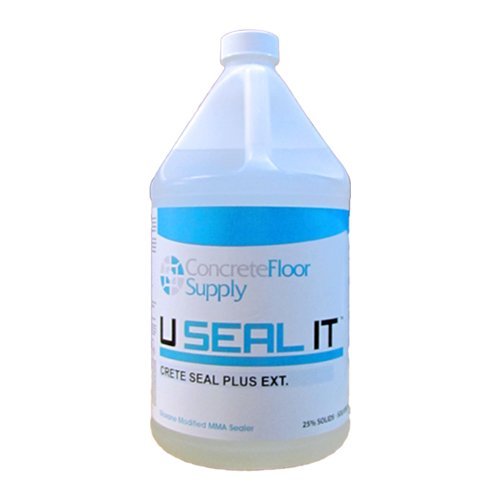
Crete Seal Plus Ext Gloss is designed for exterior concrete and offers superior salt resistance. The gloss finish enhances color depth while protecting stamped and stained surfaces. Best for: areas near saltwater pools or driveways where a durable, glossy protection is desired. Caution: gloss can accentuate surface imperfections more than satin finishes.
Clemons Supreme Shield SB-600 Wet Look

Supreme Shield SB-600 is a solvent-based, penetrating sealer that deepens surface color for a true wet look without an overly glossy finish. It resists water and oil to reduce staining on stamped concrete and brick pavers. Best for: porous surfaces needing deep color and robust stain resistance. Caution: solvent-based sealers can have stronger odors and require proper ventilation during application. Not recommended for non-porous or incompatible coatings.
EnduraSeal Acrylic Wet Look Sealer

EnduraSeal offers a fast-drying, low-odor, water-based acrylic sealer with a semi-gloss/wet look. It’s suitable for interior and exterior applications and aims to deliver long-lasting protection with minimal odor. Best for: quick-turn projects or indoor-outdoor transitions. Caution: the semi-gloss may not be ideal if a higher gloss is preferred for decorative stamped patterns.
Buying Guide: Key Purchase Considerations
- Finish preference: Satin vs gloss vs semi-gloss. Satin hides slight surface imperfections well, while gloss enhances color depth but can emphasize textures.
- Salt and moisture exposure: Choose a sealer with proven salt resistance if you’re near the coast or use salt on driveways in winter.
- Water-based vs solvent-based: Water-based sealers are easier to apply and maintain with lower odors; solvent-based often offer deeper color and durability but require ventilation.
- Porosity and coat count: More porous stamped concrete may need additional coats to achieve even color; factor in labor and material costs.
- Application and curing: Consider cure times, recoat windows, and whether a breathable sealer is needed for surfaces that still release moisture.
- Maintenance plan: Some sealers require reapplication every few years; plan for resealing to maintain surface protection and appearance.
Frequently Asked Questions
- What sealer is best for stamped salt finish concrete?
– For a balanced satin look with strong salt resistance, consider a water-based wet-look sealer like BEEST PS-8700 or SEK SB-6000 P Wet Look, depending on desired gloss and coating thickness. - How many coats does stamped concrete typically need?
– Porous surfaces may need 1–3 coats to achieve even color and protection; follow manufacturer guidelines for cure and recoat intervals. - Is a gloss finish better than satin for stamped patterns?
– Gloss can enhance color depth but may highlight surface imperfections; satin often provides a durable, balanced appearance with easier maintenance. - Can I apply sealers near a pool or saltwater area?
– Yes, but choose products marketed for salt resistance and outdoor durability to minimize staining and degradation from chlorides. - Are solvent-based sealers safer than water-based options?
– Solvent-based sealers can provide deeper color and longevity but require proper ventilation and handling; water-based options are more user-friendly and lower odor. - How often should stamped concrete be resealed?
– Resealing frequency depends on wear, exposure, and the product used; typical ranges are every 2–5 years for exterior applications.