Direct answer: Self-adhesive kitchen tiles provide a fast, mess-free way to update a backsplash, walls, or even a fireplace surround. They’re best for renters or DIYers seeking a weekend refresh with minimal tools. The top picks below balance durability, thickness, and adhesive strength, helping you choose the right tile for your space and skill level. The table summarizes five strong options to compare at a glance.
| Product | Tile Size | Best For | Notes |
|---|---|---|---|
| Art3d 102-Piece Peel & Stick Wall Tile | 3″ x 6″ | Subway-look backsplashes | Large 102-piece kit, waterproof and durable |
| STICKGOO Thicker Design 12″ x 12″ | 12″ x 12″ | Heavy-duty, textured walls | 2–2.5 mm thickness, stronger adhesive |
| Nexus Self Adhesive 12-Inch Vinyl Tiles (Achim) | 12″ x 12″ | Floor-area updates | No glue needed, 1.2 mm thick |
| Art3d White Subway (10 Tiles, Thicker) | 12″ x 12″ | Clean, modern subway look | 2–2.5 mm thicker, strong backing |
| Art3d 10-Sheet Heavy-Duty (Beige & White) | 10 sheets, 12″ x 12″ | Durable kitchen backsplashes | 0.08″ thick, enhanced adhesion |
Art3d 102-Piece Peel and Stick Wall Tile

Best for: DIYers seeking a versatile, subway-style pattern with ample pieces for larger projects. The 3″ x 6″ individual tiles enable flexible layouts and a classic kitchen look. Features include easy peel-and-stick installation, cutability with tin snips or utility knives, and a durable, waterproof surface that resists stains, scratches, and heat.
Why selected: The broad tile count reduces seams and offers layout freedom. It’s designed for smooth, clean surfaces and is marketed as highly durable with color-fade resistance and simple cleanup.
Limitations: For very textured walls, additional surface preparation or adhesion may be needed. Ensure the wall is dry and dust-free for best results.
STICKGOO Thicker Design 12”×12” Beiges

Best for: Areas needing a sturdier tile with stronger adhesion and a subtle beige-and-white palette. Each tile is 2–2.5 mm thick, with backing glue described as 3X stronger than standard vinyl backsplash tiles, suitable for smooth and lightly textured walls.
Why selected: Thicker construction and stronger adhesive help prevent warping and peeling, making it a reliable option for high-traffic kitchens or bathrooms.
Limitations: The larger 12″ x 12″ size may require careful alignment; misplacement can be harder to adjust once pressed.
Nexus Self Adhesive 12-Inch Vinyl Floor Tiles

Best for: Budget-conscious projects that require a full-room refresh without glue. Although marketed for floors, these peel-and-stick vinyl tiles can be used in kitchens, dining rooms, and bathrooms where a durable, easy-to-clean surface is desired.
Why selected: No messy adhesives and straightforward installation appeal to renters and DIYers seeking rapid transformation. Each tile measures 12″ x 12″ for predictable coverage.
Caution: The product is described as floor-oriented; verify suitability for vertical applications and surface texture before use on walls or backsplashes.
Art3d White Subway 10-Tile Kit (Thicker)
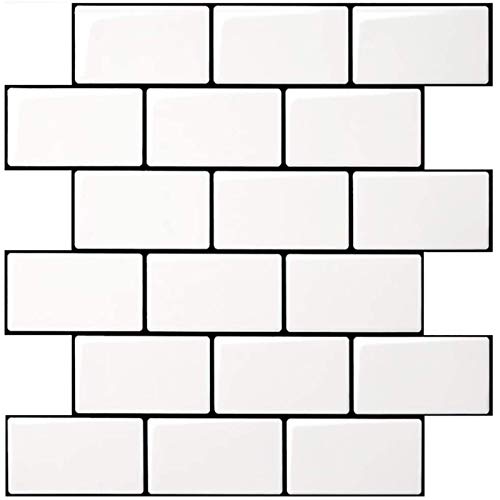
Best for: Achieving a classic subway pattern with a sturdy build. This thicker version includes a 2–2.5 mm tile with a stronger backing for reliable adhesion on clean, smooth surfaces.
Why selected: The thicker tiles reduce warping and bend, offering a more durable alternative to standard peel-and-stick tiles; ideal for busy kitchens or moisture-prone areas.
Limitation: The kit is smaller in quantity; for larger backsplashes, you may need multiple packs to cover the desired area.
Art3d 10-Sheet Heavy-Duty Peel & Stick (Beige & White)

Best for: Kitchen backsplashes and living spaces where enhanced durability is desired. Each sheet is 0.08 inches thick, offering sturdiness beyond standard peel-and-stick options.
Why selected: The product emphasizes seamless adhesion and a robust bond to surfaces, reducing risk of warping or lifting in moisture-prone areas.
Limitation: Ensure proper surface prep; extremely glossy or dirty surfaces may require additional cleaning to maximize adhesion before application.
Buying Guide: Key Considerations for Self-Adhesive Kitchen Tiles
- Surface compatibility: Peel-and-stick tiles adhere best to clean, dry, smooth surfaces. Textured walls or old paint may require priming or light sanding.
- Tile thickness and durability: Thicker tiles (2–2.5 mm) generally offer better durability and resistance to warping, especially in moisture-prone kitchens and bathrooms.
- Adhesive strength: Look for tiles with reinforced backing or “3X stronger” adhesives if you expect high humidity or frequent wipe-downs.
- Color and finish: Classic subway whites and beige/white combos are versatile, while marbled or blue-toned designs provide unique accents. Consider future updates and cleaning ease when selecting finishes.
- Coverage and layout: Calculate total square footage to determine how many sheets or tiles are needed. Some kits include more coverage per tile, affecting waste and cost efficiency.
- Heat and moisture resistance: Materials marketed as heat-resistant and waterproof are preferable for kitchen backsplashes and areas near stoves or sinks.
- Cutting and trimming: For custom layouts, ensure tiles can be cut with basic tools (tin snips, utility knives) without damaging appearance or adhesion.
- Removal and reusability: Self-adhesive tiles are generally semi-permanent; some designs are easier to remove than others if changes are needed in the future.
FAQ
- Are self-adhesive kitchen tiles easy to install?
Yes. Most kits are designed for DIY use with peel-and-stick backing, suitable for smooth, clean surfaces and simple alignment. - Do these tiles require grout or mortar?
No. Peel-and-stick tiles eliminate grout and glue, providing a clean, grout-free look unless you choose to add a traditional grout line for a specific style. - Can I install these tiles over existing tile or glossy surfaces?
A smooth, dry foundation is best. You may need surface preparation or a primer for better adhesion on glossy or slick surfaces. - What should I Avoid when choosing tiles for a kitchen backsplash?
Avoid overly soft stickers on high-heat zones or areas with frequent water splashes without moisture resistance. Look for tiles labeled waterproof and heat resistant. - How many tiles do I need for a typical backsplash?
Measure width and height, add a margin for cuts, and multiply by the number of tiles per sheet. Many kits specify coverage per tile or sheet to help you estimate. - Can these tiles be removed without damage?
Removal is possible, but results vary by brand and surface; some adhesives may leave residue that requires cleaning with a gentle stripping solution.