Answering the question of which spray paints best convert ordinary walls into high-quality projection surfaces, these picks prioritize clarity, ease of use, and long-term maintenance. Ideal buyers include DIY home theater enthusiasts, small business presenters, and students setting up quiet, film-friendly spaces. The following selections cover single-coat and multi-coat solutions, indoor use, and a range of surface options. Use the brief table below to compare key choices at a glance.
| Product | Best For | Coating Type | Size |
|---|---|---|---|
| Mollor Projector Screen Paint (32 oz) | Home theater, HD clarity | White projection paint | 32 oz |
| COATEZ Ultra HD Premium (1 QT) | Professional-grade interiors | 1-coat projector paint | 946 ml |
| Mollor Projector Screen Paint (16 oz) | Compact spaces | White projection paint | 16 oz |
| Paint On Screen (1 Gallon) | Large surfaces | Single-coat screen paint | 1 gallon |
| Projector Screen Paint High Definition (Quart) | Mid-size rooms | HD/4K screen paint | 1 quart |
Mollor Projector Screen Paint — 32 Fl Oz

Mollor’s 32-ounce single-coat projector screen paint offers a ready-to-use white surface designed for HD and 4K clarity. Best for rooms where a quick, reliable turn-key screen is desired and a single-coat application is feasible. The paint emphasizes high-contrast images and sharp edges, useful for home theaters and video-conferencing spaces. A potential limitation is surface compatibility; users should ensure their wall or panel accepts paint-based projection surfaces without texture distortion. Choose this if you want a straightforward, wall-to-screen transition with minimal maintenance.
COATEZ Ultra HD Premium Projector Screen Paint (1 QT)
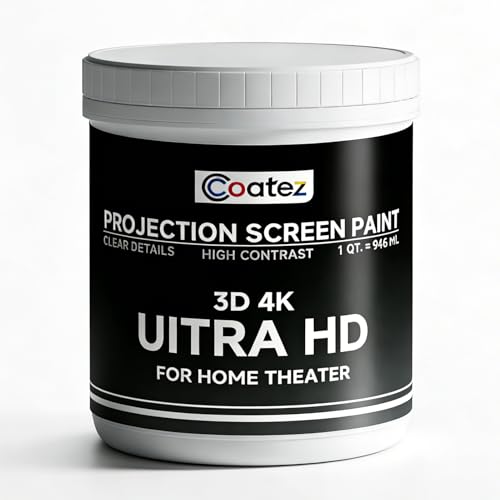
COATEZ offers a premium one-coat solution designed for indoor spaces like home theaters and classrooms. It’s built for 3D and 4K UHD visuals with a surface that remains bright and vibrant after multiple uses. This option is best for users who want reliable performance with fewer coats and simple maintenance. Keep in mind that coverage depends on surface texture; rough walls may reduce one-coat effectiveness. Opt for this when you want a durable, lower-maintenance projection surface that remains bright over time.
Mollor Single-Coat 16 Oz Projector Screen Paint
This 16-ounce Mollor option is designed for smaller projects or tight spaces where a compact can size is beneficial. It aims to deliver crisp HD and 4K visuals with a single coat on interior walls. Best for students or small office setups where a quick, low-quantity paint job is sufficient. A limitation is the smaller can size, which may require more frequent restocking for larger displays.
Paint On Screen Projector Screen Paint — 1 Gallon

Paint On Screen provides a gallon-sized solution ideal for converting large surfaces into projection-ready areas. This single-coat product is designed to simplify projects that cover ceilings, walls, or other expansive areas. Best for home theaters with large screens or multi-room installations. A potential drawback is the heavier gallon size, which may require planning for storage and application technique. Choose this when you need to cover substantial real estate efficiently.
Rust-Oleum Automotive Lens Tint Coating — 10 oz
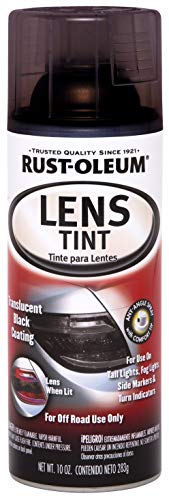
This option is a translucent tint intended for automotive lighting rather than wall projection. It can be useful for accenting light outputs or achieving a particular tint look on display surfaces, but it is not a dedicated projection screen paint. Best for users seeking stylistic lighting effects rather than a primary projection surface. Avoid this if your goal is a true white projection screen.
Projector Screen Paint — High Definition, 4K/8K, Ultra White — Quart

Digital Image Screen Paint’s Ultra White quart is designed for mid-size rooms with an emphasis on 4K/8K clarity. It covers 40 square feet per two coats and is formulated to be washable and repairable, supporting long-term maintenance. Best for spaces where a reliable, bright screen is needed with straightforward upkeep. A limitation is the two-coat requirement for optimal results, which might extend installation time compared to single-coat options.
Buying Guide: Key Considerations for Projector Screen Paint
- Surface compatibility: Wall texture, primer needs, and how the paint adheres to different materials.
- Coats and coverage: Whether a single coat meets your brightness and contrast goals or if multiple coats are necessary.
- Ambient lighting: Room brightness and how the paint handles glare and reflective surfaces.
- Maintenance: Cleanability, durability, and the ability to touch up or repair the screen.
- Size and space: Matching product size to the projected surface area to minimize waste and ensure even coverage.
- VOC and safety: Non-toxic and low-VOC formulas suitable for homes and offices.
Frequently Asked Questions
What is the main advantage of a single-coat projector screen paint?
It reduces application time and effort while delivering an immediate projection surface, suitable for smaller rooms or quick setups.
Can any wall be turned into a projection screen?
Most products work best on smooth, primed walls or prepared surfaces; textured walls may affect image clarity.
Is a gallon of projector screen paint better than a quart for large rooms?
Yes, a gallon covers more area, reducing the number of containers needed for large surfaces.
Are these paints safe to use indoors?
Many options are non-toxic and low-VOC, but always check the product label for ventilation and safety guidance.
What maintenance is required for a painted projection screen?
Regular cleaning and occasional touch-ups help maintain brightness and color accuracy over time.