Looking for the best wood finish for stairs? This guide spotlights five top Amazon picks that balance durability, appearance, and ease of application. Ideal buyers include DIY homeowners refinishing stair treads, woodworkers restoring old stairs, and busy households needing durable, low-odor options. The following table summarizes how each product serves different stair-finishing needs.
| Product | Best For | Why It Stands Out |
|---|---|---|
| Minwax PolyShades Wood Stain + Polyurethane Finish | One-step color + protection on bare or finished wood | Combines stain and polyurethane for faster results with satin sheen |
| Furniture Clinic Wood Stain (Dark Oak) | Fast-drying, even color on multiple wood types | Water-based, low odor, quick dry in about 10 minutes |
| Howard Restor-A-Finish (Golden Oak) | Repairing damaged or worn finishes | Wipe-on restoration for blemishes and color matching |
| Gilboys Hard Wax Oil | Natural-looking interior finishes with practical durability | Food-safe, easy DIY, water and heat resistant |
| Varathane Oil-Based Ultimate Polyurethane | Hard, warm-glow protection for high-traffic areas | Fast dry times and self-leveling for smooth, even coats |
Keep in mind: stair projects demand abrasion resistance, even color or tone, and a finish that won’t create a slippy surface. The selections below are organized to help you identify the best fit based on your goals: ease of use, color control, indoor-outdoor suitability, and maintenance needs.
Minwax PolyShades Wood Stain + Polyurethane Finish

Type: Oil-based stain and poly in one. The product enhances wood grain with color while delivering polyurethane protection in a single step. Best for readers who want a faster project timeline and an easy route from bare wood to finished stairs.
Why choose this for stairs: It simplifies layering by providing color and protection in one coat, reducing total application time. The satin sheen gives a classic look suitable for many interior stair configurations.
Who it’s best for: DIYers with limited staining experience seeking a single-step solution and refinishing on top of existing finishes without stripping. Limitations: Oil-based formulas can have stronger odors and longer cure times than water-based stains.
Furniture Clinic Wood Stain | Dark Oak

Type: Water-based stain with quick drying and low odor. Works well for indoor and outdoor wood surfaces, offering many color choices and easy application. The 10-minute drying time supports faster stair refinishing projects.
Best-for notes: Good for lighter or darker stair treads requiring even color penetration without strong solvent odors. Limitation: Water-based stains can raise the grain on soft woods; light sanding may be helpful between coats.
Howard Restor-A-Finish – Golden Oak

Type: Finish-restoring product designed to blend out blemishes while reestablishing color on wood finishes. It provides a wipe-on, wipe-off method to refresh worn stair surfaces.
Why it’s selected: It helps restore older finishes on stair treads without full refinishing, making it ideal for cosmetic repairs. Caution: Color matching can vary with wood type and original finish, so test on a small inconspicuous area first.
Gilboys Hard Wax Oil

Type: All-natural interior wax oil designed for sealing and finishing wood with a quick dry time. It combines wax and oil to impart a natural look while offering water and heat resistance for stair use.
Best-for notes: Suitable for kitchens and stairs where a natural look matters and low odor is preferred. Limitation: May require periodic maintenance and reapplication to maintain the protective layer in high-traffic areas.
Varathane Oil-Based Ultimate Polyurethane
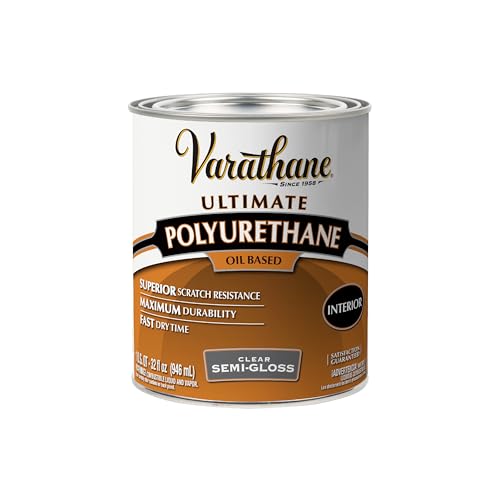
Type: Oil-based polyurethane offering a hard, warm finish designed to highlight wood grain and resist wear. It features self-leveling properties to minimize brush marks and provide a smooth surface.
Why it’s chosen: The polyurethane finish is ideal for high-traffic stair areas where durability and a polished look are priorities. Caution: Oil-based polyurethane can have longer drying times and stronger odor; ensure adequate ventilation during application.
Buying Guide: Wood Finishes For Stairs
What finish should you choose for stairs? Consider five practical factors: protection level, color control, odor and drying time, compatibility with existing finishes, and maintenance.
- Protection level: For high-traffic stairs, opt for a hard, durable topcoat like polyurethane or a wax-oil blend that resists scuffing and moisture.
- Color control: If you want a single-step solution, a stain-plus-polyurethane product can save time; for precise color, use a separate stain and topcoat.
- Odor and drying: Water-based products offer lower odor and quicker recoats, but oil-based finishes tend to enhance grain more richly and cure to a harder surface.
- Compatibility: If refinishing over existing finishes, consider products designed for re-coating without stripping, like one-step stain-and-poly or restorers.
- Maintenance: Some finishes require periodic reapplication to retain protection, especially in busy households or entryway stairs that see heavy wear.
Frequently Asked Questions
- What finish is best for stairs with high foot traffic?
– A hard, durable polyurethane or wax-oil blend is typically best for durability and resistance to scuffs and moisture. - Can I stain and seal in one step for stairs?
– Yes, products like PolyShades combine stain and polyurethane in one step, simplifying the process. - Is odor a concern with oil-based finishes?
– Oil-based finishes usually have stronger odors and longer cure times; ensure good ventilation during application. - Should I repair damage before finishing stairs?
– Yes. For minor scratches, a finish restorer can blend blemishes; for deeper damage, plan refinishing or sanding as needed. - Is water-based or oil-based finish better for stairs?
– Water-based is lower odor and dries faster, but oil-based finishes often provide deeper color and longer-lasting protection. - How can I test color on stairs?
– Test on an inconspicuous area or sample board to check color match and sheen before full application.