Find the right latex bonding agent for plaster to improve adhesion, durability, and finish quality. This guide highlights five reliable options ideal for DIY projects and professional work alike. Best for projects where concrete and plaster need a tough, flexible bond, each product has unique strengths—choose based on substrate, climate, and the scope of repair.
| Product | Best For | Key Benefit |
|---|---|---|
| Larsen Plaster-Weld Bonding Agent Quart | New plaster applications | Direct bonding on plaster and substrates |
| SIKA SikaLatex R Concrete Adhesive Glue | Mortar, concrete, and grout admixture | Strong adhesion and freeze-thaw resistance |
| Larsen 12000 1G Red Plaster Weld | Large plaster projects | Wide coverage per gallon |
| Everbuild Blue Grit Extra Grip Plaster Bonding Agent | Difficult or smooth surfaces | Visible grit for better keying |
| Everbuild 501 Universal PVA Bond | General bonding and internal mortars | Versatile and flexible |
The selected products cover a range of needs—from direct plaster bonding to concrete admixtures and universal PVA binders. They’re suitable for interior plaster repairs, base coats, and improving adhesion on smooth or low-suction surfaces. The following sections describe each option, who it’s best for, and practical considerations.
Larsen Plaster-Weld Bonding Agent Quart
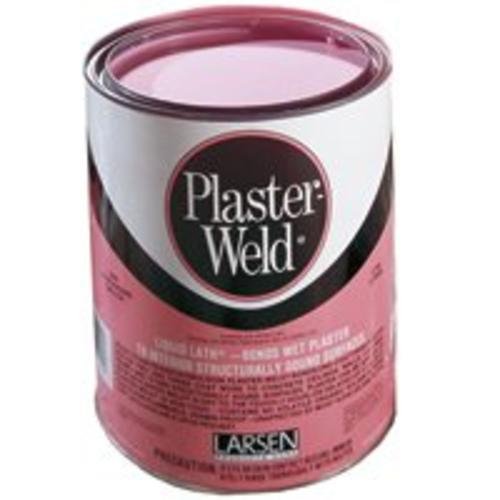
This bonding agent is designed for plaster applications and aims to improve adhesion between plaster and existing substrates. Best for smaller to medium plaster repairs where a reliable bond is needed before skim coats or finishes. The product’s package notes its model information and dimensions, which are helpful for estimating coverage in projects. Use this when you want a straightforward bonding boost without complex mixing ratios.
Who it’s best for: DIY enthusiasts and professionals working on plaster repairs where a quick, dependable bond is desired. Why selected: direct plaster bonding capability and compact quart size are convenient for smaller jobs. Caution: check substrate compatibility if surfaces are highly glossy or non-porous.
SIKA SikaLatex R Concrete Adhesive Glue
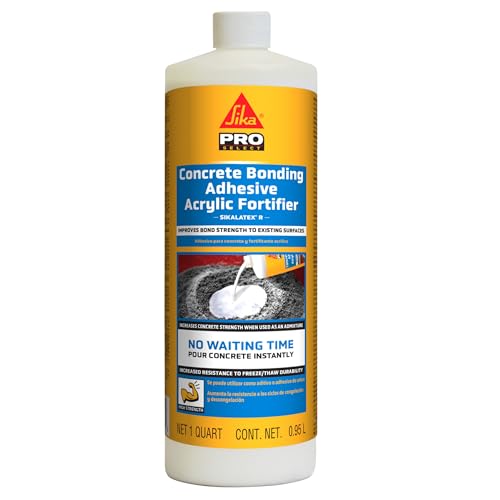
These acrylic admixtures improve bonding in cement-based systems. It’s suitable for mortar, concrete, and grout projects and is noted for durability in freezing and thawing conditions. This product is convenient because it requires no dilution and can be added directly to mixes, enhancing tensile strength and adherence to challenging substrates.
Who it’s best for: professionals and DIYers addressing bonding on cementitious substrates, including exterior or high-traffic areas. Why selected: strong bond and weather resistance support long-term performance. Caution: using on non-cementitious substrates may require alternative products.
Larsen 12000 1G Red Plaster Weld

This product comes in a larger format, offering broader coverage per gallon—beneficial for bigger plaster projects. It bonds new plaster to clean, sound interior surfaces, supporting robust adhesion for coatings and finishes. It’s a practical choice when treating larger repair areas and seeking a consistent bond across a wall or ceiling.
Who it’s best for: contractors and experienced DIYers tackling extensive plaster work. Why selected: higher volume coverage reduces frequent reapplication for large rooms. Caution: ensure proper surface preparation to maximize adhesion.
Everbuild Blue Grit Extra Grip Plaster Bonding Agent

This bonding agent integrates fine grit to improve plaster key on smooth or low-suction substrates. The blue coloring helps professionals track coverage during application. It’s a strong option when surfaces lack natural porosity or have a glaze-like finish that hinders adhesion.
Who it’s best for: jobs requiring a pronounced keying surface on otherwise smooth walls. Why selected: grit provides better mechanical grip, reducing delamination risk. Caution: avoid over-application on very porous surfaces where excessive grit can interfere with subsequent plaster coats.
Everbuild 501 Universal PVA Bond
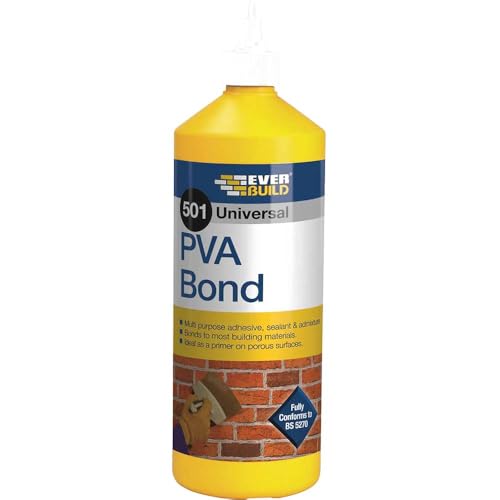
This universal PVA bond is a versatile option for bonding a variety of substrates, including wood and plaster. It’s suitable as an internal mortar admixture and can enhance flexibility in sand-cement mixes, improving frost resistance and reducing salt permeation. It’s a good all-around choice when you need a multi-purpose binder.
Who it’s best for: projects requiring a flexible, internal bonding agent with broad substrate compatibility. Why selected: versatility for both bonding and internal mortar admixtures. Caution: verify it aligns with local code requirements for specific plaster formulations or repairs.
Buying Guide: Key Purchase Considerations
- Substrate compatibility: Some products bond directly to plaster, others work as admixtures in cement or mortar. Match the product to plaster, concrete, or mixed substrates.
- Climate and environment: Freeze-thaw resistance is important for exterior or damp areas. Choose formulations designed for durability in your climate.
- Application method: Consider whether you need a ready-to-use liquid, a muddier mix, or a clear binder. No dilution required can save prep time.
- Surface condition: Smooth or glossy surfaces often require a bonding agent with improved keying (grit or roughness) to achieve good adhesion.
- Volume needs: For large rooms, select higher-coverage products to minimize reapplication and reduce workflow interruptions.
- Versatility: If you expect multiple uses, a universal PVA or multi-purpose adhesive can reduce the number of products needed on site.
FAQ
- What is a latex bonding agent for plaster?
Answer: A latex bonding agent improves adhesion between plaster and existing surfaces by creating a flexible, durable bond that resists cracking. - Do I need to dilute bonding agents?
Answer: Many bonding agents are ready-to-use; some concrete admixtures require no dilution. Always follow product instructions. - Can these products be used on old plaster?
Answer: Yes, most listed products are suitable for bonding plaster to existing plaster or masonry when surfaces are clean and sound. - Which product is best for extreme weather?
Answer: Look for products specifically labeled as freeze-thaw resistant or designed for outdoor use. - Is universal PVA suitable for mortar?
Answer: Yes, some PVAs can be used as admixtures in internal mortar or renders to improve flexibility and frost resistance. - How should I prep plaster before applying the bonding agent?
Answer: Clean the surface, remove loose material, and lightly roughen smooth areas to enhance adhesion.