Looking for the right drywall knife edge trim tool can dramatically improve the finish on walls and ceilings. This guide highlights five top picks that balance edge control, durability, and ease of use for both professionals and DIYers. Each option is suited for specific tasks like edging along trim, corners, or broad joint coverage. Use the quick comparison table to decide which tool best fits your project timelines and skill level.
- Best for wide-area joint finishing: Bates- Taping Knife, 12 Inch
- Better for small repairs and precise edge work: Goldblatt 6″ Putty Knife
- Best for cutting in along ceilings and trim without tape: Paltren 12-Inch Paint Edger
- Choose this for tight inside corners and bullnose edges: Corner Pro “Bat Knife” Flexible Coving Knife
- Best for large surface coverage and smooth joint application: Bates- Taping Knife, 24 Inch
Product Comparison Table
| Product | Best For | Blade Size | Material | Key Benefit |
|---|---|---|---|---|
| Bates- Taping Knife, 12 Inch | Flawless seams | 12″ | Stainless Steel | Durable, rust-resistant, flexible edge |
| Goldblatt 6″ Putty Knife | Drywall repairs | 6″ | Stainless Steel | Hammer end, soft grip, precise blade edge |
| Paltren 12-Inch Paint Edger | Edge lines without tape | 12″ | Stainless Steel | Rigid blade for sharp, bleed-free lines |
| Corner Pro Bat Knife | Corner finishing | Edge-specific | Plastic/Steel blend | Flexes to fit bullnose and curved corners |
| Bates- Taping Knife, 24 Inch | Large surface coverage | 24″ | Stainless Steel | Wide blade for seams and butt joints |
Bates- Taping Knife, 12 Inch

The Bates 12-Inch Taping Knife is designed for smooth, efficient drywall finishing. This stainless steel blade provides durability, rust resistance, and a flexible edge for precise application. It covers seams and spreads joint compound effectively, making it ideal for professional finish work or DIY projects where fast, clean results are desired. Best for large wall areas and long joints, it helps reduce stroke counts while maintaining control. A caution: ensure the blade edge remains free of nicks to preserve flex and finish quality.
Best for: Professionals and serious DIYers tackling mid-to-large drywall tasks where consistent, wide coverage is required. Selected for its combination of durability and edge flexibility, it supports fast, uniform mud application without frequent blade replacement.
Goldblatt 6″ Putty Knife

The Goldblatt 6″ Putty Knife emphasizes control for drywall repairs and finishing. Its premium stainless steel blade resists rust and features a hammer end with a soft-grip handle, improving comfort during longer sessions. The blade edge is precision-ground for a smoother finish, and its flexible design supports delicate feathering around repaired areas. Caution: the hammer end is not designed for heavy prying; use appropriate tools for demolition tasks.
Best for: Small repairs, detail work on edges, and finishing work where a lighter touch yields crisper lines without tearing joint compound. This knife is a strong companion for patchwork and precise edge trim on ceilings and walls.
Paltren 12-Inch Paint Edger

The Paltren 12-Inch Paint Edger is designed to create crisp, professional lines without painter’s tape. Its straight stainless steel blade resists flex, helping you maintain sharp edges along ceilings, trim, and baseboards. The ABS handle is lightweight and ergonomic for reduced fatigue during long edging tasks. A practical caveat: this tool works best on smooth, non-textured surfaces to maximize line crispness.
Best for: Users aiming to achieve clean, fast lines with minimal taping. Choose this if you want a tape-free edging solution that speeds up cutting-in work on flat surfaces.
Corner Pro “Bat Knife” Flexible Coving Knife
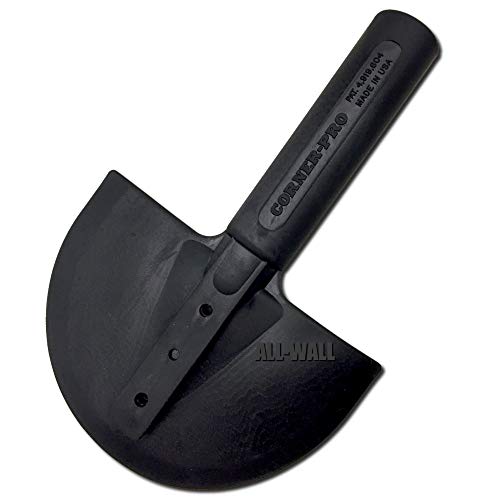
The Corner Pro Bat Knife is a flexible coving knife designed for drywall corner joints with angles greater than 90 degrees. It flexes to conform to bullnose corner beads and rounded surfaces, enabling smoother transitions at corners. The handle includes a 1″ opening on the back end to fit an extension for higher work, which can improve reach in tight spaces. Limitation: edge control may vary on textured surfaces; use with compatible corner beads for best results.
Best for: Finishing tight corners and bullnose edges where standard straight knives struggle to maintain a consistent feather and flush finish.
Bates- Taping Knife, 24 Inch

The Bates 24-Inch Taping Knife extends wide coverage for large drywall areas. The stainless steel blade is designed for durability, rust resistance, and a smooth, flexible edge that helps with even application over long seams and butt joints. It is best for large room finishing where reducing stroke frequency is advantageous. Caution: the long blade can feel unwieldy on small or intricate corners; pair with smaller edge tools for detail work.
Best for: Large surface projects and projects requiring quick, uniform mud distribution across wide seams. It pairs well with smaller edge tools for complete room finishes.
Buying Guide: Key Purchase Considerations
What blade size do you need? For edge trim and precise corners, smaller blades (6″ to 12″) offer better control, while longer blades (24″) cover more area but require steadier hands. Choose based on project scope and your comfort with bigger tools.
What material matters? Stainless steel blades resist rust and hold their edge, which matters for long-term durability. Look for blades with flexible edges for feathering and smoothing joint compound without tearing surrounding material.
How important is ergonomics?
- Soft-grip handles reduce fatigue during extended use.
- Non-slip materials and secure blade-to-handle connections improve control and safety.
Are specialized features worth it? Some tools offer edge guides, adjustable angles, or extension compatibility. If you frequently edge along ceilings or deep corners, these features can save time and improve consistency.
When to use edger versus taping knife?
- Edgers help create clean lines along ceilings and trim without tape.
- Taping knives excel at spreading joint compound across larger seams and flat surfaces.
Tip Sheet: Practical Use For Edge Trim
- Keep the blade clean and free of dried mud to preserve edge quality.
- Use light, even pressure to avoid gouging drywall or creating transition ridges.
- Maintain a consistent angle (roughly 45 degrees) for best feathering results.
FAQ
- What is the best drywall knife for long seams? The 24-inch Bates Taping Knife is ideal for long seams and wide patches, reducing the number of strokes.
- Which knife is best for corners? The Corner Pro Bat Knife is designed to flex and conform to bullnose corners and curved surfaces.
- Do I need a putty knife for edge trimming? A putty knife like the Goldblatt 6″ is excellent for repairs and precise edge work, especially in tight spots.
- Can I edge without tape? Yes, edgers like the Paltren 12-Inch Edger help create crisp lines along ceilings and trim without painter’s tape.
- Are stainless steel blades better? Generally yes; stainless blades resist rust and maintain a smooth edge over time.
- Should I buy a complete tool set or individual knives? For versatility, start with a combination of a mid-size blade for edges and a longer blade for seams; add specialized tools as needed.