Answering the common buyer question, these products are among the best paints and sealers to shield wood from water damage. They suit outdoor decks, fences, siding, and indoor wood surfaces alike. This guide highlights five top selections, showing who each is best for and why. If you need long-lasting water resistance without changing wood’s natural look, these options deliver clear or semi-clear finishes with durable protection.
Summary at a glance: the following table compares key points for quick decisions.
| Product | Best For | Finish | Application Type | Notes |
|---|---|---|---|---|
| Small outdoor projects, indoor touch-ups | Semi-Satin | Spray | Low odor, VOC-conscious | |
| Larger painted surfaces | Semi-Satin | Brush/Roller | Clear, low odor | |
| Exterior wood like siding, fences | Semi-transparent stain | Brush/Roller | Penetrating, UV protection | |
| Outdoor wood like decks | Natural finish | Brush/Roller | Water-repellent, eco-friendly | |
| All painted surfaces | Semi-Satin | Mix & apply | Convenient concentrate |
Rain Guard Paint Sealer Spray 16 oz

Best for small, detail-focused projects or touch-ups on painted wood surfaces. This spray applies a water-repellent barrier that helps protect wood, concrete and stone surfaces from weather exposure. The semi-satin, clear finish maintains the wood’s appearance with a low-odor formula. Suitable for indoor and outdoor projects, it supports long-term maintenance without heavy odor or mess. Best for compact jobs such as furniture, planters, or fence pickets that need a quick, even seal. Caution: spray application may require masking of nearby surfaces to prevent overspray.
Rain Guard Paint Sealer 1 Gallon
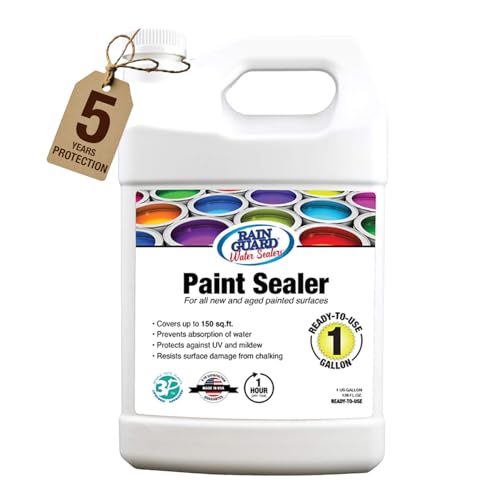
This gallon-size sealer is ideal for larger painted surfaces, including floors, fences, or exterior walls. It creates a water-repellent barrier and provides a clear, semi-satin finish that helps preserve a clean, polished appearance. It’s suitable for both indoor and outdoor use, with a low-odor formula designed for practical application in shared spaces. Choose this for projects where you want more coverage per coat and a subtle sheen that won’t alter color significantly. Limitation: as a sealer, it’s best on painted surfaces rather than bare wood.
Storm System Protector – Cedartone, 1 Gallon
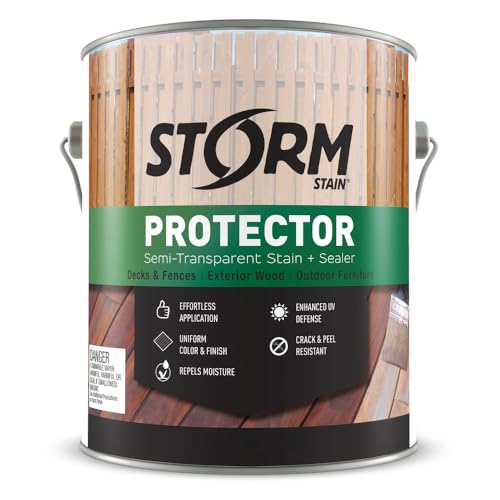
Best for exterior wood protections, especially siding, decks, and fences. This penetrating semi-transparent stain and sealer enhances natural wood grain while delivering waterproofing and UV protection. It works across a variety of wood substrates and is designed to help prevent color fading over time. The product is best for homeowners who want to maintain a natural wood look with durable exterior protection. Caution: color depth will vary with wood type, and multiple coats may deepen tone.
Rain Guard Paint Sealer Concentrate

Best for all painted surfaces, this concentrate makes a gallon-equivalent when mixed as directed. It uses Micro-Lok technology to form a hydrophobic barrier that withstands weather exposure. The product dries quickly and offers a clear semi-satin finish that preserves natural color and texture. Ideal for homeowners who want to stock a concentrate and mix on-site for large projects or ongoing maintenance. Limitation: follow label mixing instructions precisely to achieve recommended coverage.
Rain Guard Wood Sealer 1 Gallon

Best for exterior wood like decks, fences, and outdoor furniture seeking a natural, clear finish. The penetrating water-repellent formula creates a hydrophobic barrier while preserving wood’s natural appearance. It’s a practical choice for weather-prone areas where a natural look is preferred over opaque coating. Caution: natural finishes may require more frequent reapplication in extreme climates to maintain protection.
Buying Guide: Key Purchase Considerations
- Finish preference: Choose between clear, natural, or semi-satin finishes based on how much pigment or gloss you want to alter the wood’s look.
- Application method: Sprays are convenient for small projects; brushes or rollers suit larger areas. Concentrates require mixing before use.
- Project scope: For small touch-ups, a spray or 16 oz bottle is often enough; for fences, decks, or siding, a gallon or concentrate is more economical.
- Wood type and condition: Some products are designed for painted surfaces, while others are optimized for bare or stained wood. Verify compatibility with your substrate.
- VOC and odor: Low-odor formulas are preferable for indoor use or proximity to living spaces; check local regulations for VOC limits.
- UV protection and durability: Exterior projects benefit from products with UV resistance and long-lasting water-repellency to prevent fading and rot.
FAQ
- What is the difference between a paint sealer and a wood sealer?
Answer: A paint sealer protects painted surfaces by repelling water and maintaining color, while a wood sealer penetrates the wood to guard against water, sun, and weather without drastically altering appearance. - Can I use these products indoors?
Answer: Yes, many have low-odor formulas suitable for indoor use, but always follow ventilation and product-specific guidance. - Do these sealers affect wood color?
Answer: Some sealers provide a clear or natural finish that preserves color; others add a subtle tint or semi-transparency to enhance grain. - How long does protection last?
Answer: Duration depends on climate, substrate, and exposure; refer to product data for reapplication guidance and maintenance intervals. - Is a primer required before applying sealer?
Answer: For painted surfaces, follow existing coating recommendations; some sealers can be applied directly to painted wood, while bare wood may need primers for best adhesion. - Are these products safe for garden beds or food-contact surfaces?
Answer: Some products are formulated for garden use or food-safe applications; always check the label for safety certifications and intended substrates.