Answering the search for a reliable paint and mortar mixer, this guide highlights five proven tools that cover small to medium jobs with different volumes and materials. The top picks are best for DIY homeowners, hobbyists tackling small batches, and contractors handling light to moderate workloads. Each option is evaluated for ease of use, compatibility with standard drills, and practical limitations. A quick buying table is included to help you compare key specs at a glance.
| Product | Best For | Key Benefit | Limitation |
|---|---|---|---|
| Edward Tools Paint And Mud Mixer | Small to medium batches; DIYers | Durable zinc-plated steel for rust resistance | Limited to 1–3 gallons per use |
| ION TOOL Paint And Mortar Mixer | Light to moderate projects | Long 17″ length with strong 4″ mixing head | May require compatible chuck fit |
| SILVEL Cement Mixer | Frequent use; small contractor jobs | High-power 2300W motor with overheating protection | Heavier unit; portability trade-off |
| CtopoGo Paint Mortar Mixer | Paint, grout, thinset in pails | 16″ length; enamel-coated for easy cleanup | May require larger drift for very thick mixtures |
| Hanpex Paint And Mud Mixer | 1–5 gallon buckets; general purpose | Hex head anti-slip design; easy to clean | Spiral design may vary in mixing speed |
Edward Tools Paint And Mud Mixer For Drill

Best for small to medium batches, this mixer is designed for 1 to 3 gallons. It features a 15 3/4″ shaft, a 2.5″ by 2.5″ head, and a 5/16″ hex head compatible with most standard drills. The zinc-plated steel construction increases rust resistance and simplifies cleaning. Choose this if you want a compact, durable option for light projects. A potential limitation is its maximum capacity, which may require multiple batches for larger jobs.
ION TOOL Paint And Mortar Mixer

Best for small projects that require mixing concrete, mortar, or paint, this mixer uses a 4″ mixing head with a 17″ overall length. It fits standard 3/8” and 1/2” drill chucks and has a heavy-duty steel construction. Choose this if you want a straightforward tool that handles multiple materials beyond paint, such as epoxy or grout. Limitations include potential fit issues with non-standard chucks or batched materials with extreme viscosity.
SILVEL Cement Mixer

Best for frequent use and small contractor tasks, the SILVEL mixer features a 2300W copper motor for efficient mixing and reliable operation. It includes heat emission and overheating protection to extend service life. It is designed for slurry, cement, paint, and related materials. Choose this if you need a high-powered option with built-in safety features; be aware of its greater weight and reduced portability compared to handheld models.
CtopoGo Paint Mortar Mixer
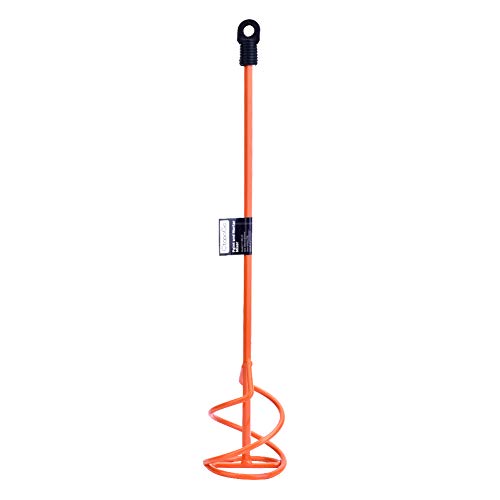
Best for paint, grout, and concrete mixing in a 1–5 gallon range, this 16″ long head with a 3″ diameter is designed to reach the bottom of most pails. It uses a hexagonal shaft for positive chuck engagement and features enamel-coated surfaces to resist rust and ease cleaning. Choose this for its bottom-up action and compatibility with standard chucks. A potential caveat is that very thick mixes may require longer mixing times or multiple passes.
Hanpex Paint And Mud Mixer

Best for 1 to 5 gallon buckets, the Hanpex mixer features a hex head anti-slip design and easy cleaning. The spiral mixing rod is noted for durability, and plugging into a standard drill makes it convenient for painting and plaster work. Choose this if you want a simple, durable mixer with straightforward maintenance. Limitation: the product data emphasizes ease of cleaning, but actual performance can vary with very dense materials or large batches.
Buying Guide
What size batches will you mix? If you typically work with 1–3 gallons, a compact mixer like Edward Tools or Hanpex may be ideal for portability and ease of use. For larger small projects, consider a 16–17″ mixer head like CtopoGo or Ion Tool to reach the bottom of pails more reliably. For frequent use or heavier materials, a high-powered option such as SILVEL offers more robust performance and heat protection.
What materials will you mix? Paint, plaster, grout, cement, and epoxy each behave differently. Look for hex shaft compatibility, corrosion resistance, and cleaning ease. Enamel-coated or zinc-plated tools resist rust and are easier to sanitize between jobs. If you mix dry powders or thick slurries, ensure the head size and geometry support thorough integration without excessive downtime.
Compatibility and safety: Ensure the mixer fits your drill chuck (3/8″ or 1/2″). Check for overheating protection or ventilation features on electrical models. Heavier units provide more power but reduce maneuverability. For occasional use, a lighter model reduces fatigue and storage needs.
Frequently Asked Questions
- What is the best mixer for small paint jobs? A lightweight, 1–3 gallon mixer with a compact shaft, such as Edward Tools, is generally ideal for small paint batches.
- Can I use these mixers for cement or mortar? Yes, several models are designed for mortar and cement mixing, including options with longer heads and robust motors, like SILVEL.
- Will these fit my drill? Most listed products fit standard 3/8″ or 1/2″ drill chucks; verify your drill’s chuck size before purchase.
- Are enamel-coated mixers better for cleaning? Enamel-coated or rust-resistant finishes generally ease cleaning and maintenance after use.
- What should I avoid when using a drill mixer? Avoid overloading the drill, and never run dry or mix incompatible materials in a single head without checking guidelines.
- How do I choose between a magnetic or hex head mixer? Hex heads provide positive chuck engagement and reduce slipping, which is beneficial for longer mixing sessions.