Choosing the right pickled white or whitewash wood stain depends on the project, surface, and desired final look. This guide highlights five top options that deliver distinct levels of color depth, texture, and application ease. Ideal buyers include DIY enthusiasts staining furniture, cabinets, or decorative panels; homeowners refreshing a rustic or coastal vibe; and professionals seeking fast-drying, low-odor formulas. Read on to compare each product’s strengths and limitations to help you pick the best match for your space.
| Product | Best For | Key Benefit |
|---|---|---|
| Varathane 384807 White Oak Water-Based Stain | Low-odor projects | One-coat color with fast dry |
| Minwax Simply White Stain | Interior furniture and cabinets | Deep color penetration, quick drying |
| Minwax White Wash Layering Color | Aged, pickled look | Overlays on bare or stained wood |
| Varathane Premium Fast Dry Whitewash | One-coat interior projects | Fast-drying oil-based formula |
| Retique It Pickled Oak Liquid Wood Gel Stain | Non-wood surfaces seeking real wood feel | Goes on like gel stain, yields real-wood look |
Varathane White Oak Water-Based Stain, 1 Quart

Best for: DIYers seeking a low-odor, low-VOC option that delivers an even color in one coat on most woods. This water-based stain from Varathane emphasizes the natural grain while offering fast drying times. The formula can be layered for deeper color, making it suitable for furniture, panels, or cabinets where a light pickled white finish is desired.
Why selected: It combines ease of use with minimal smell, helping projects in tighter spaces. One-coat coverage is realistic for small jobs; additional coats deepen tone without brutal prep. Caution: as a water-based stain, some woods may uptake color differently, so test a sample swatch first.
Minwax Simply White Stain, 8 oz
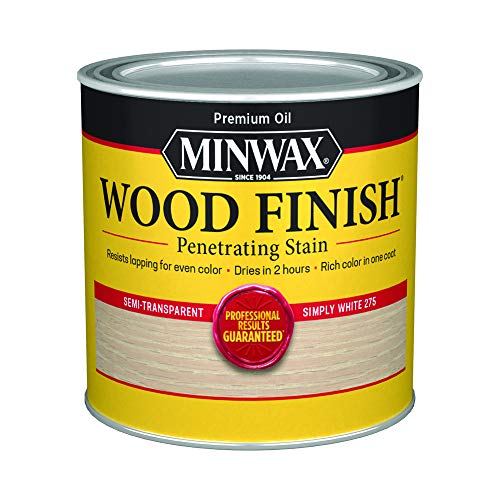
Best for: Interior furniture and cabinet projects needing a rich, even color that penetrates wood in one coat. This oil-based stain is known for deep color and grain enhancement, making it a reliable choice for a bright, clean white finish on kitchen cabinetry or accent tables.
Why selected: The staining process dries relatively quickly and resists lap marks when applied evenly. It’s ideal for users who want a strong white tone with straightforward application. Caution: oil-based stains require mineral spirits for clean-up and proper ventilation during application; avoid use on surfaces that cannot tolerate odor or solvent exposure.
Minwax White Wash Transparent Layering Color
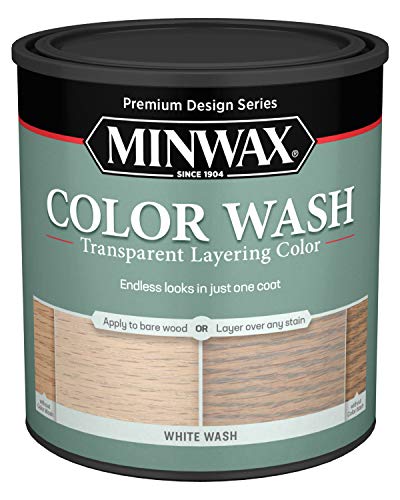
Best for: Achieving a light, pickled or weathered look on bare or pre-stained wood. It’s suitable for layering over oil or water-based stains using brushes, pads, or rags to build depth gradually.
Why selected: The product supports multiple coats within a short window, enabling nuanced aging effects. Caution: as a layering color, it may require multiple passes to reach the desired opacity; test on scrap wood to plan your final tone.
Varathane Premium Fast Dry Whitewash Stain
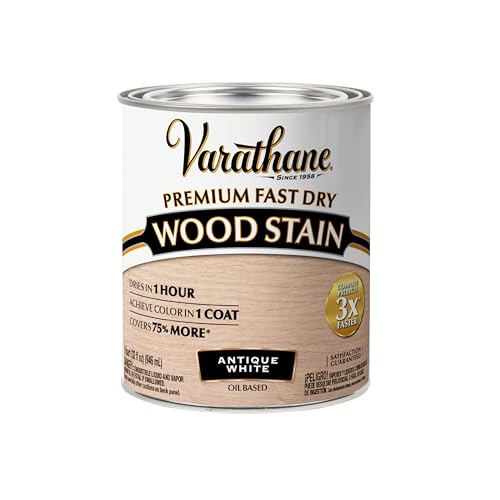
Best for: Interior projects like furniture, cabinets, doors, and trim where a one-coat color is desired. This oil-based formula dries to the touch in about an hour and covers large areas quickly.
Why selected: The fast-drying property supports tight schedules and layered projects. Caution: oil-based formulas have stronger fumes and require good ventilation; avoid use in spaces without adequate airflow.
Retique It Pickled Oak Liquid Wood Gel Stain

Best for: Surfaces that aren’t natural wood but want a genuine wood feel. Gel-like gel stain applies evenly and creates a visible wood texture on non-wood substrates, offering a true wood appearance with a simple process.
Why selected: It blends realism with versatility, allowing work on painted or finished surfaces without stripping. Caution: color results depend heavily on surface texture and porosity; test on a small area to gauge the level of authenticity you’ll achieve.
Buying Guide: Key Considerations For Pickled White Wood Stains
What finish do you want: water-based vs oil-based?
Water-based stains are lower in odor and VOCs, dry quickly, and are easier to clean up. Oil-based stains tend to provide deeper color and longer-lasting finishes, but require solvents and longer cure times. For a light pickled look, water-based options are often ideal in living spaces.
Do you need one-coat coverage?
Some products advertise one-coat coverage, which speeds up projects. Others require multiple coats to achieve the desired depth. Always test on a scrap area to estimate the number of coats needed.
Is a gel or layering stain better for your surface?
Gel stains or layering colors are useful for achieving aged or weathered effects on non-wood materials or porous surfaces. They allow more control over opacity and texture, especially when you want to preserve underlying grain.
What surfaces will you treat?
Furniture, cabinets, doors, and trim each respond differently to stain types. For porous woods, deeper penetration can lead to darker tones, while dense woods may require more coats to reach the same color depth.
What about finish and cleanup?
Consider the cleanup method inversely related to the finish type. Water-based options clean with soap and water; oil-based options require mineral spirits or similar solvents. Ventilation is important for any solvent-based product.
Frequently Asked Questions
- What is the quickest way to get a whitewashed look? Choose a water-based whitewash stain or a fast-drying oil-based option and apply with a brush or cloth in the direction of the grain. Build color with additional thin coats if needed.
- Can I stain over painted surfaces? Yes, many products are designed to work over painted surfaces, especially with a bonding primer or surface prep, but check the product’s guidance for compatibility and adhesion requirements.
- Is whitewash suitable for outdoor use? Some products are interior-only; others are formulated for interior or exterior use. Always verify whether the stain is rated for exterior exposure if the project is outside or in a damp area.
- How do I prevent blotching on soft woods? Test on a sample, use pre-stain conditioners if recommended, and apply evenly in the direction of the grain to minimize uneven absorption.
- How many coats should I apply for a pickled oak look? Start with one coat and assess color depth. Add coats as needed to reach the desired aged, pickled effect while respecting the wood’s absorption.