Looking for authentic real wood paneling sheets to upgrade furniture, cabinets, or walls? This guide highlights five top options that balance natural grain, ease of use, and versatile applications. Each pick is best for certain project types—from quick wall accents to custom furniture refurbishments. Read on to find which sheet material fits your skill level and design goals.
| Product | Best For | Key Benefit |
|---|---|---|
| OMUKI Natural Wood Veneer | Cabinet faces, small furniture pieces, trim | Real veneer with durable backing |
| DIYDEC Basswood Sheets | Craft projects, models, beginners | Large sheets, easy to cut and shape |
| amaZulu Bamboo Wall Panels | Accent walls, ceiling tiles, wainscoting | Flexible, sanded, easy DIY installation |
| Edge Supply Walnut Veneer Sheet | Furniture repair, refinishing | Real veneer, paper-backed for handling |
| OUTWATER Unfinished Red Oak Veneer Tambour | Tambour doors, curved surfaces | Flexible slats with V-grooves |
OMUKI Natural Wood Veneer Review

Best for: hobbyists and small projects that need a natural wood face on furniture, boxes, or decorative panels. This veneer comes from a rotary-cut or sawed log and provides diverse textures and tones to match multiple design styles. The backing enhances durability, helping resist deformation and cracking over time.
Why chosen: It delivers a genuine wood look with practical stability for refurbishing or new builds. The thin sheet format makes it easy to apply to various surfaces, including cabinets and wall panels.
Caution: Expect natural variations in grain; color tone may vary between sheets, so plan for consistency across larger runs.
DIYDEC Basswood Sheets, 12″ x 12″

Best for: beginners and seasoned makers doing crafts, architectural models, or laser-cut projects. Each sheet is 12 x 12 inches with a slim thickness, providing a lightweight option for detailed cuts and shapes.
Why chosen: The set’s value and size make it practical for large or multiple object projects. Basswood sheets are smooth, with minimal burrs, suitable for precise work.
Caution: Unfinished wood requires finishing choices (stain or sealant) to protect and match surrounding pieces.
amaZulu Natural Bamboo Wall Panels
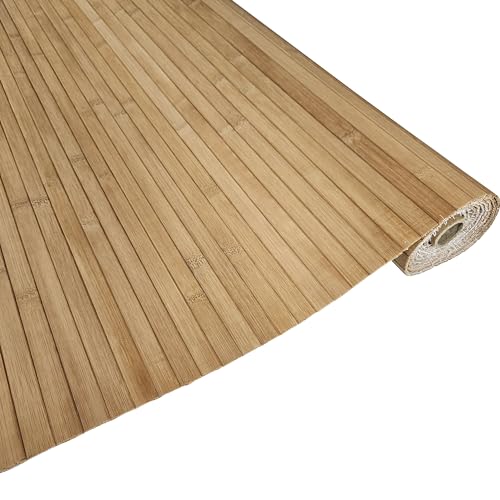
Best for: interior accents like feature walls, ceiling tiles, or wainscoting where a tropical look matters. These panels are hand-milled bamboo bonded to a flexible mesh backing, offering contour-friendly installation and a refined finish.
Why chosen: They’re easy to cut and install without specialized tools, and their texture adds natural warmth to rooms. The 4’x8′ size provides substantial coverage per panel for quicker projects.
Caution: Bamboo is a natural material; plan for color and grain variations across panels to maintain a cohesive look.
Edge Supply Walnut Veneer Sheet

Best for: cabinet repair, refinishing, and furniture restoration where a premium walnut look is desired. This sheet is already ready to stain, with a paper-backed backing to aid handling and application.
Why chosen: Real walnut veneer delivers authentic grain and color, helping achieve a premium finish with straightforward installation using standard adhesives.
Caution: May require careful matching with existing veneers; differences in tone can appear if multiple sheets are used without staining consistency.
OUTWATER Unfinished Red Oak Veneer Tambour

Best for: tambour doors, curved panels, and flexible surface applications that require slatted texture. The 1/2″ center slats with 30-degree V-grooves provide structured movement for curved installations.
Why chosen: The veneer is unfinished, letting you finish to match or contrast with other wood tones. Its flexibility makes it suitable for curved or irregular shapes.
Caution: Requires careful handling during bending; ensure minimum radius guidelines are followed to avoid cracking at joints.
Buying Guide: Real Wood Paneling Sheets
How to choose the right real wood paneling sheet for your project? Consider the wood type, backing, finish options, and installation method. Real wood veneer sheets offer authentic grain but require proper finishing and alignment across large areas. Bamboo panels introduce a tropical aesthetic with flexible backing, while tambour veneers excel on curved surfaces. For repairs or refinishing, paper-backed veneers provide easier handling and consistent results.
What to ask before buying:
- What is the intended surface? (Cabinet, wall, furniture) The substrate affects backing and adhesive needs.
- Is color matching important? Natural variations may require buying extra sheets for consistency.
- Do you need flexibility? Tambour and mesh-backed panels bend more easily than rigid sheets.
- What finishing will you use? Stains, paints, or clear coats will affect appearance and durability.
- What tools are compatible? Some sheets cut easily with a utility knife; others benefit from laser or scroll saw.
Frequently Asked Questions
- What is the main difference between veneer sheets and laminated panels?
– Veneer sheets are thin natural wood faces backed by a stable layer to reduce warping, while laminates combine layers for strength and uniform appearance. - Are real wood veneers suitable for DIY beginners?
– Yes, with the right backing and adhesive, but expect finish matching challenges across wide areas. - Can veneer sheets be stained to match existing furniture?
– Often yes; choose veneers that are stain-friendly and test on a scrap piece first. - Which option is best for curved walls?
– Tambour and flexible bamboo panels perform well on curves, while rigid sheets may require hot-bending or careful cutting. - Do these sheets require special tools for installation?
– Most can be installed with common adhesives and basic cutting tools; some may benefit from a utility knife, spray adhesive, or light sanding. - How should I store unused veneer sheets?
– Keep flat or slightly supported to prevent curling; store in a dry environment away from direct sunlight.