Finding the right sanding tools for 3D printed parts speeds up finishing and improves surface quality. This guide highlights five solid options, each suited to different skill levels and project types. Whether you’re smoothing resin, PLA, or other materials, these selections balance grit variety, accessibility, and ease of use. The top picks are ideal for hobbyists, model makers, and professionals seeking reliable results without specialized lab equipment. Below, compare what each product offers and who benefits most from it.
Product Quick Reference
- Honoson 20 Pcs Sanding Sticks (Low to High Grits, Double Angle) — Best for quick, versatile hand sanding and hard-to-reach spots.
- XIFOWE Resin Drill 3D Printed Tool Kit — Best for powered, detailed smoothing and finishing with 58 attachments.
- Honoson 20 Pcs Sanding Sticks (Water Drop Style) — Best for comfortable grip and tight spaces during dry or wet polishing.
- AEORUM 124Pcs 3D Printing Accessory Kit — Best for a comprehensive set with organized storage for varied tasks.
- IRISFLY 30Pcs Sanding Sponge Set — Best for curved surfaces and reusable, wet/dry sanding versatility.
Honoson 20 Pcs Sanding Sticks (Double Angle)
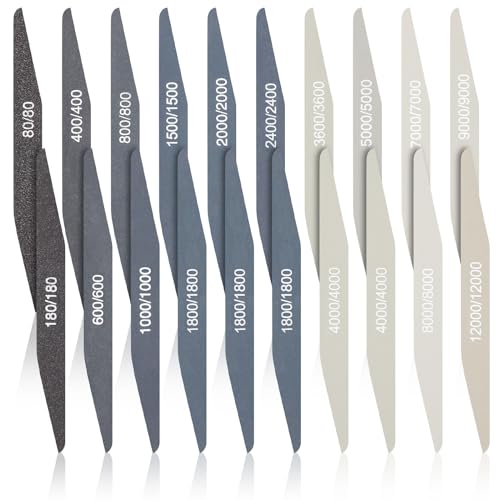
Best for versatile, on-the-fly sanding of model plastics, wood, and metal components. The double-sided sticks cover a broad grit range (80–12000) and are labeled to prevent grit mix-ups. Suitable for beginners and hobbyists working on small 3D prints or model kits. Caution: ensure the project area is well-ventilated to avoid dust exposure when dry sanding.
What It’s Good For
Ideal for quick material removal and finishing in tight corners or irregular surfaces. The labeling helps prevent accidental use of too-fine or too-coarse grits mid-project. Use for dry sanding before polishing or wet-sanding for smoother results on delicate parts.
XIFOWE Resin Drill 3D Printed Tool Kit
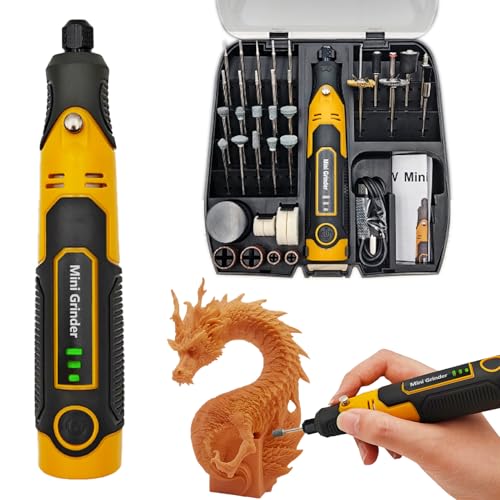
Best for precision work with a powered tool and 58 attachments, including sanding, polishing, drilling, and engraving. The three-speed setting helps tailor finishing aggression across resin prints and other materials. The included hard case aids organization and transport. Caution: heavier use may require batteries or charging solutions beyond basic household tools.
What It’s Good For
Choose this when you need controlled, consistent sanding across multiple surfaces. The kit is well-suited for fine detailing and finishing steps that benefit from variable speed control and a broad accessory set.
Honoson 20 Pcs Sanding Sticks (Water Drop Style)
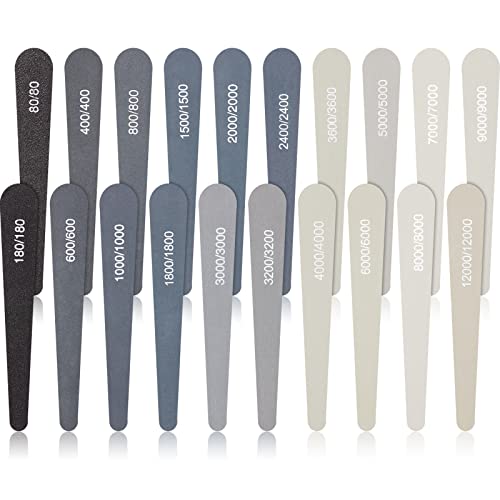
Best for ergonomic handling and reaching curved surfaces with a soft, water-friendly design. The set includes 20 sticks across multiple grits (80–12000) and uses durable EVA materials. Caution: drying times may vary with certain materials; test on a small area first to gauge impact.
Who It’s For
Great for model builders who prefer comfortable grip and precise control during finish work, especially on complex curves and recessed features. The water-drop shape reduces hand fatigue over extended sessions.
Honoson 20 Pcs Sanding Sticks (Stylish Style)

Best for a broad grit range with 20 sticks labeled from 80 to 12,000 and a durable dual-sided design. Suitable for both dry and wet polishing. Caution: some listings show minor labeling inconsistencies; rely on the grit markings when selecting a stick for precise work.
Choosing The Right 3D Printed Sanding Tools
When selecting sanding tools for 3D printed parts, consider grit range, handle design, and whether you prefer dry or wet polishing. For fast material removal, choose lower grits (80–180). For smoothing and final finishing, mid-to-high grits (400–8000) are ideal. If reach and control are priorities, consider ergonomically shaped sticks or a powered option with diverse attachments. Storage and organization also help maintain efficiency on busy projects.
AEORUM 124Pcs 3D Printing Accessory Kit

Best for a comprehensive, all-in-one kit with organized storage. The set includes an electric rotary tool, deburring blades, nozzle cleaning kits, files, pliers, blades, sanding sticks, and a magnetic screwdriver assortment. Caution: the kit is broad and may include tools beyond basic sanding; assess your primary finishing needs before purchasing.
IRISFLY 30Pcs Sanding Sponge Set

Best for curved surfaces and reusable sanding in a wet/dry environment. The aluminum oxide material offers longevity and consistent performance. Caution: sponges can wear faster if used aggressively on hard plastics; use gentler, even strokes to extend life.
Buying Guide: Key Purchase Considerations
- Intended projects: Choose tools aligned with model details, resin finishing, or broad material work.
- Grit range: A broad set helps cover removal, smoothing, and polishing in sequence.
- Tool type: Hand sticks vs. powered tools; balance control with efficiency for your workflow.
- Material compatibility: Consider sanding sticks and sponges that hold up under wet sanding and resin finishing.
- Storage and organization: A kit with labeled sections or a case helps prevent grit confusion and tool misplacement.
Frequently Asked Questions
- What grit should I start with for 3D printed surfaces? Start with 80–180 for rapid material removal, then progress to 400–8000 for smoothing and polishing.
- Are sanding sticks better than sandpaper sheets? They offer control in tight areas and longer-lasting use, especially with vinyl or EVA backing, but sheets can be more cost-effective for large areas.
- Can I wet-sand resin prints? Yes, wet sanding reduces dust and helps achieve finer finishes on resin parts.
- Is a powered tool necessary for finishing 3D prints? Not always, but a powered tool with diverse attachments speeds up detailed work and durable smoothing on complex geometries.
- How do I avoid leaving scratches when finishing curved surfaces? Use progressively finer grits, keep the tool moving evenly, and apply light pressure to prevent deep marks.
- How should I store sanding accessories? Keep sticks and sponges in their original cases or a labeled container to prevent grit cross-contamination.