When you need a natural sealant that enhances grain and protects wood, linseed oil is a solid option. This article highlights five top linseed oil products suited for interior furniture, cutting boards, and DIY woodworking projects. Each pick balances penetration, drying time, and safety to help you decide which is best for your needs. Ideal buyers include DIY enthusiasts, woodworkers finishing new pieces, and homeowners restoring heirloom furniture. The products below demonstrate a range of finishes—from raw to boiled to oil-and-w wax blends—so you can compare suitability for indoor use, maintenance, and staining potential.
| Product | Best For | Key Benefit |
|---|---|---|
| LIIZOUSUDA Pure Linseed Oil | Bare wood or over stains | Penetrating Danish oil finish with satin look |
| Tried & True Original Wood Finish | All woodwork, DIY projects | Oil-beeswax blend for durable, touch-up friendly finish |
| LinSheen Boiled Linseed Oil | Outdoor and indoor wood | Fast-drying, deep grain enhancement |
| Tried & True Danish Oil | Furniture, blocks, bowls | Polymerized finish for quick, penetrating seal |
| Nordicare Linseed Oil | Indoor furniture, kitchens | 100% pure linseed with natural color preservation |
LIIZOUSUDA Pure Linseed Oil Wood Finish

Best for: Bare wood surfaces and professionals seeking a natural finish. This Danish oil is designed to penetrate deeply, darken slightly, and provide a satin finish. It’s suitable for bare wood or applying over stained pieces, making it useful for furniture, butcher blocks, and decorative items.
- Penetrating power helps protect from within the grain.
- High-quality Danish oil yields a natural-looking sheen.
- Can be combined with wax-based pigments to create wood stains.
Limitation: The finish can darken wood slightly; test on a sample before large projects. Best for interior use where minimal odor is acceptable.
Tried & True Original Wood Finish

Best for: Projects needing long-lasting durability with easy touch-ups. This linseed oil and beeswax blend has a warm finish and strong resistance to water and daily use, making it ideal for furniture and cutting surfaces that require routine maintenance without stripping.
- Oil-wax blend provides a durable layer and easier yearly upkeep.
- Polymerized formula speeds drying without toxic drying aids.
- Safe for indoor use; minimal smell and no heavy PPE required.
Limitation: Because it contains beeswax, the finish may feel tackier in high humidity; apply thin coats and wipe excess.
LinSheen Boiled Linseed Oil
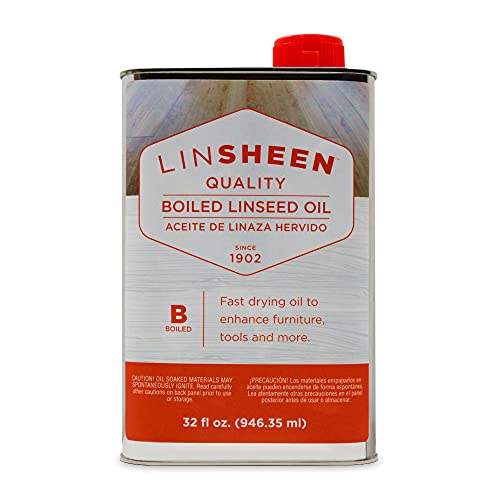
Best for: Rejuvenating both indoor furniture and outdoor wood that needs quick sealing. Boiled linseed oil contains solvents that speed drying, helping projects complete faster while enhancing grain depth.
- Absorbs into grain to improve color and texture.
- Drying solvents shorten cure times compared to raw oil.
- Great for floors, furniture, and decks that require a fast finish.
Caution: Boiled linseed oil speeds drying but can impart more odor; ensure adequate ventilation during application and curing.
Tried & True Original Wood Finish (Pint)

Best for: Projects requiring a historically proven finish that resists wear while remaining easy to repair. The larger pint size is convenient for ongoing woodworking or multiple-piece projects.
- Long-lasting durability with repair-friendly properties.
- Indoor-safe with no solvents required for most applications.
- Supports a warm, natural look that’s easy to maintain over time.
Limitation: Reapplication may darken the wood slightly; test on a sample area to confirm color match with existing finishes.
LinSheen Raw Linseed Oil

Best for: Purists who prefer raw linseed oil for a natural, traditional finish. It preserves the original grain without added drying agents, suitable for crafts and heirloom pieces.
- Raw oil penetrates deeply for a natural appearance.
- Safe for use on furniture, floors, and cutting boards with careful curing.
- Offers a classic finish without added solvents or pigments.
Limitation: Raw linseed oil dries slowly; plan longer cure times and avoid heavy indoor use in high-traffic areas without ventilation.
Tried & True Danish Oil

Best for: Finishes that require strong penetration with the ability to darken slightly and accept oil-based pigments for stains. This Danish oil is favored by professionals for interior finishes.
- High penetration for a durable seal.
- Can be used to create subtle wood stains with pigments.
- Professional-quality finish suitable for bare wood or over stained pieces.
Limitation: The color shift may be noticeable on lighter woods; pretest on a sample to ensure desired tone.
Nordicare Linseed Oil

Best for: Indoor furniture and kitchen surfaces where a 100% pure linseed oil finish is preferred. This oil emphasizes the wood’s natural structure and adds a honey-toned sheen.
- 100% refined linseed oil for a natural look.
- Ideal for interior use, especially in kitchens and dining areas.
- Underlines wood texture while providing a protective layer against dirt and moisture.
Limitation: Pure oils may require multiple coats for fully even protection; plan for a longer finishing routine.
Buying Guide: Linseed Oil For Wood Sealing
What type of linseed oil should I choose?
Raw linseed oil provides a traditional, natural look and deeper grain penetration but dries slowly. Boiled or polymerized linseed oils dry faster and are more practical for indoor furniture and busy projects. Oil-and-wax blends offer added durability and ease of touch-ups, while Danish oils deliver a satin, protective finish with good stain options.
Interior vs. exterior use
Most linseed oil products listed are suited for interior wood. Exterior use requires products specifically designed for outdoor exposure and UV resistance; check product labels for outdoor compatibility and sealing capabilities.
Application and curing time
Apply thin coats with a cloth or brush, wipe off excess, and allow adequate curing between coats. Boiled or polymerized oils cure faster, enabling quicker project completion. Raw oils require longer cure times and more ventilation during application.
Safety and maintenance considerations
Indoor applications generally require minimal PPE. However, linseed oil can spontaneously combust when oily rags are stored improperly; lay rags flat to dry and follow local disposal guidelines. For maintenance, plan periodic reapplication to maintain protection and appearance, especially on frequently used surfaces like cutting boards and tables.
Stain and color considerations
Some products darken wood slightly and pair with pigments to achieve stains. If you want to preserve a lighter tone, test on a scrap piece before full-scale application. For richer color, choose Danish oils or blends designed to interact with pigments.
FAQ
- Is linseed oil food-safe? Some blends claim food-safe attributes, particularly those marketed for butcher blocks and cutting boards, but always verify the specific product’s safety certifications and usage guidelines.
- Can linseed oil be used on all wood types? Linseed oil works on most woods, but finish depth and color vary by species and grain. Test on a concealed area first.
- How many coats are required? Typically 2–3 thin coats yield a durable surface, with occasional touch-ups as needed for high-use items.
- What is the difference between raw and boiled linseed oil? Raw oil dries slowly and requires longer curing, while boiled/polymerized oils dry faster and provide quicker protection.
- Does linseed oil protect against moisture? Yes, linseed oil creates a protective film that helps resist moisture at the wood surface, though it is not a substitute for heavy-duty exterior seals.
- How should I store linseed oil? Store in a cool, dry place away from heat and ignition sources; reseal containers tightly after use.