If you’re new to watercolor painting, the right paper can make a big difference in your learning curve. The best beginner watercolor papers handle wet-on-wet techniques, support clean edges, and resist warping. This guide highlights five solid starter choices that balance cost, performance, and versatility for kids, students, and adults just starting out. Each option is suitable for common beginner practices like washes, gradients, and simple layering.
| Product | Why It’s Good For Beginners |
|---|---|
| 64 Sheets Watercolor Paper, 5″x7″ (Donyang) | Great for mini studies and practice; cold-press texture helps pigment distribution while staying budget-friendly. |
| Hapikalor Watercolor Paper Pad 9″x12″ | Premium-weight paper with sturdy feel; versatile for dry media and wet-on-wet techniques. |
| Soucolor 40 Sheets 9″x12″ | Balanced weight and texture; good for learning color mixing and layering without bleed-through. |
| Pacocoast 9″x12″ Watercolor Paper Pad | Cold-pressed surface with removable pages for easy display and review of progress. |
| Kinlink 5×7 100 Sheets | Economical bulk option; suitable for frequent practice and group projects. |
Donyang 64 Sheets 5×7 Watercolor Paper

Type and weight: Cold-pressed, 140 lb / 300 gsm, acid-free. The textured surface supports even pigment distribution and reduces warping, making it a strong starter pad for practicing basic washes and line work. It works with watercolor sets, pencils, markers, and gouache, offering a versatile option for mixed-media experiments. Best for: absolute beginners who want approachable, compact sheets for quick studies and classroom projects. Caution: small sizes can be less forgiving for large washes; consider larger sheets as you progress.
Hapikalor 9″x12″ Watercolor Paper Pad

Type and weight: 140 lb / 300 gsm, cold-pressed. This pad contains 20 sheets per pad, ideal for longer practice sessions and learning layering without heavy buckling. Best for: beginners who want a sturdy, professional feel and the ability to experiment with wet-on-detached techniques. Caution: a larger page size may require more drying space and careful handling to prevent smudging on the back.
Soucolor 40 Sheets 9″x12″ Watercolor Pad
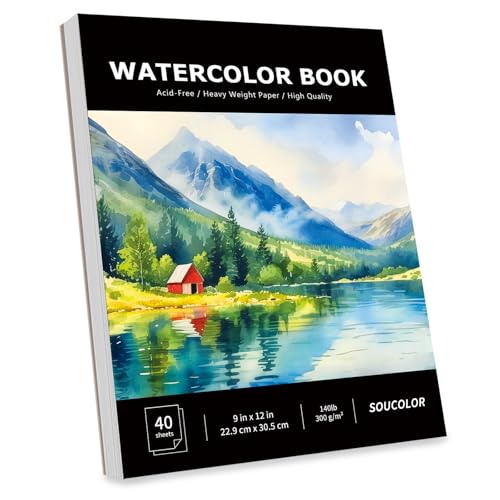
Type and weight: 140 lb / 300 gsm, cold-pressed textured paper. The 40-sheet format balances affordability with enough practice space. Best for: beginners who want a dependable pad for color mixing and gradual build-up of layers. Caution: avoid heavy scrubbing or sharp scraping that could wear down the textured surface over time.
Pacocoast 9″x12″ Watercolor Paper Pad
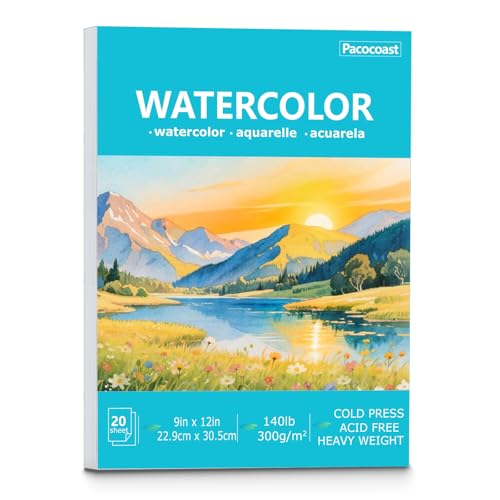
Type and weight: Cold-pressed, 140 lb / 300 gsm. Includes removable pages with a glue-bound binding for flexibility; pages tear out cleanly for easy sharing or display. Best for: beginners who want the option to remove finished pieces or create travel-ready sketchbooks. Caution: the removable binding may loosen over time if frequently opened and closed during practice.
Kinlink 100 Sheets 5×7 Watercolor Paper Bulk
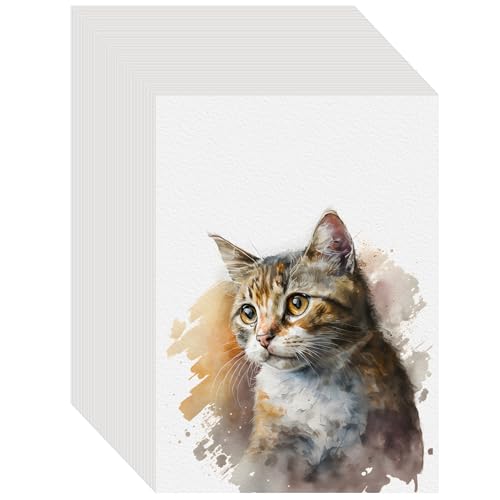
Type and weight: 110 lb / 230 gsm, cold-pressed. This bulk option is a practical choice for classrooms or groups, offering reliable texture and absorption for repetitive practice. Best for: beginners who paint regularly with friends or students and need consistent papers for experiments. Caution: bulk packs may include variations in texture across sheets; test a few for consistency.
Buying Guide: Key Considerations For Beginners
- Paper weight and texture: For beginners, 140 lb / 300 gsm cold-pressed paper offers good absorbency and resilience to buckling during washes, without excessive stiffness.
- Surface: Cold-pressed surfaces provide a balanced texture that grips pigment and allows controlled brushwork, while hot-pressed surfaces are smoother and better for fine detail (not typically recommended for initial washes).
- Pad vs. loose sheets: Pads are convenient for practice and portability; loose sheets can be used for display and easier framing, with the option to bind later.
- Acid-free and pigment longevity: Acid-free paper helps prevent yellowing and preserves color clarity over time, important for early experiments that you may want to revisit.
- Size and format: Start with 9″x12″ or 5″x7″ sheets to manage costs and drying time. As skills grow, larger sheets accommodate larger washes and more dynamic compositions.
- Budget vs. durability: Bulk packs reduce cost per sheet, ideal for frequent practice, but check that each sheet maintains consistent texture and absorbency.
- Compatibility: Ensure the paper supports both wet media (watercolor) and dry media (pencils, pens) if you plan mixed-media experiments.
How To Choose A Starter Paper
- Begin with a cold-pressed paper around 140 lb / 300 gsm for forgiving washes and color control.
- Choose pads or bulk packs if you expect frequent practice or group lessons.
- Pick acid-free options to preserve colors and reduce brittleness over time.
Frequently Asked Questions
- What weight is best for beginners? Answer: 140 lb / 300 gsm is widely recommended for its balance of absorbency and durability.
- Should I start with a pad or loose sheets? Answer: Pads are more convenient for practice and travel; loose sheets are better for display and framing after drying.
- Is cold-pressed better than hot-pressed for beginners? Answer: Yes, cold-pressed provides texture that helps control pigment spread, which is beneficial for learning washes.
- Can these papers handle mixed media? Answer: Most listed papers are suitable for dry media and light wet media; check each product’s notes for specific limitations.
- Do beginner papers warp easily? Answer: Proper weight and weight distribution reduce warping; keep brushes light and use a backing board when needed.
- Are bulk options worth it for beginners? Answer: Yes, bulk packs lower cost per sheet and support frequent practice, with the caveat of potential sheet-to-sheet variation.