Whether you’re thinning lacquer for a smooth spray, preparing a surface, or cleaning tools, a reliable general purpose lacquer thinner is essential. This guide highlights five top options that balance performance, versatility, and practicality for automotive, woodworking, and hobby use. Each pick targets different buyer needs—from professional sprayers to hobbyists—so you can choose with confidence. The summary table below helps you compare core attributes at a glance.
| Product | Brand | Best For | Notes |
|---|---|---|---|
| Nanoskin LACQUER THINNER 1 Gallon | Nanoskin | Professional-strength thinning and cleaning | Versatile for lacquers, epoxies; controls viscosity; cleans tools |
| Sunnyside Lacquer and Epoxy Thinner, Quart | Sunnyside Corporation | General lacquers and epoxies; brush and spray prep | Not for sale in California; professional strength |
| TotalBoat Spray Thinner 101 (Quart) | TotalBoat | Flow improvement for spray and brushing | Fast-evaporating; works in cool temps |
| Restoration Shop Acrylic Lacquer Medium Thinner Automotive Grade | Restoration Shop | Automotive lacquer thinning; topcoat prep | Quart size; automotive-grade |
| Sunnyside Pure Odorless Paint Thinner, Quart | Sunnyside Corporation | Odorless thinning of oil-based paints and finishes | Not for sale in CA; multi-use solvent |
Nanoskin LACQUER THINNER 1 Gallon
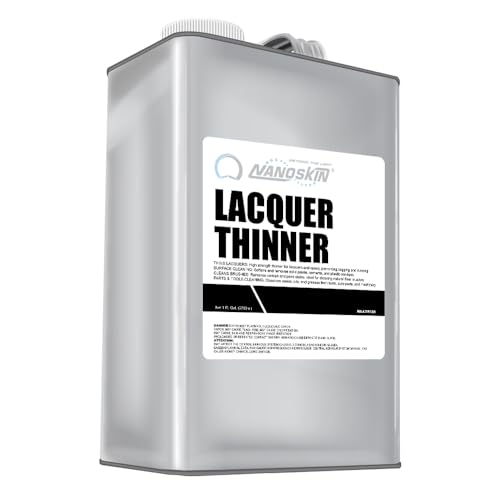
Nanoskin LACQUER THINNER is a high-strength solvent designed to thin lacquers and related coatings, including certain epoxy finishes. It adjusts viscosity to improve flow, reducing sag on vertical surfaces and making it suitable for automotive paints and professional spraying tasks. It also doubles as a surface cleaner that softens flaky coatings, aiding surface prep. This thinner also serves as an oil paint brush cleaner, helping remove buildup from brushes and tools while cautioning against nylon bristles that may weaken with strong solvents.
Best for: Professional painters and automotive refinish pros who need a single product for thinning, cleaning, and tool maintenance. Limitations: Avoid use with nylon or delicate synthetic bristles; ensure compatibility with your coating system before use.
Sunnyside Lacquer and Epoxy Thinner, Quart

This quart-size thinner is tailored for thinning nitrocellulose lacquers and epoxy coatings, making it a solid all-around choice for shop floors handling both spray and brush applications. It’s noted as professional strength and is suitable for cleaning brushes, rollers, or spray equipment after use. Best for: Shops needing a reliable all-purpose thinner that also supports equipment cleaning. Limitations: Not available in certain restricted areas due to VOC regulations.
TotalBoat Spray Thinner 101
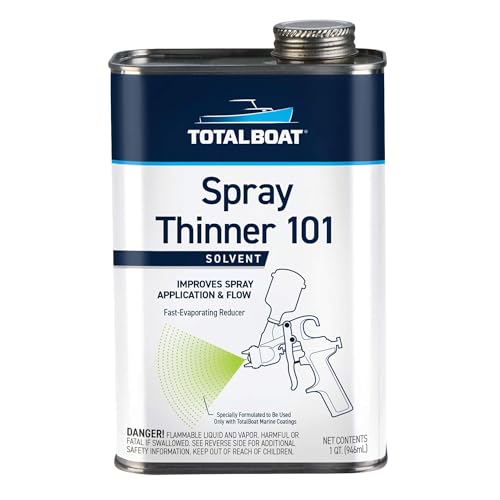
TotalBoat Spray Thinner 101 is designed to improve flow and application for TotalBoat one-part solvent-based paints, primers, and varnishes. It’s described as fast-evaporating, aiding quicker drying and better brush or spray performance in cooler temperatures. It also functions as a surface prep solvent to remove contaminants and improve adhesion. Best for: Projects where faster drying is helpful or where cooler conditions would otherwise hinder leveling. Limitations: May require careful handling due to rapid evaporation in warm environments.
Restoration Shop Acrylic Lacquer Medium Thinner

Restoration Shop’s Acrylic Lacquer Medium Thinner is marketed as an automotive-grade thinning solution appropriate for medium-speed thinning of lacquer finishes. It is positioned for topcoat preparation in automotive contexts, especially where a medium evaporation rate helps maintain workability. Best for: Automotive painters who require predictable thinning without overly rapid evaporation. Limitations: Vehicle-specific formulations may require testing with your particular lacquer system.
Sunnyside Pure Odorless Paint Thinner

This odorless thinner is designed for thinning oil-based paints, primers, varnishes, and stains while remaining low in odor. It also doubles as a solvent for removing grease, grime, and oil. Noted restrictions apply in California and other VOC-controlled regions. Best for: Environments requiring minimal odor during thinning and cleanup. Limitations: Availability can be limited by regional VOC restrictions.
Buying Guide: General Purchase Considerations
Key factors to weigh when selecting a general purpose lacquer thinner include evaporation rate, coating compatibility, and safety considerations. The right thinner should match the base coating type (lacquer, nitrocellulose, epoxy) and your application method (spray, brush, or wipe).
- Coating compatibility: Confirm the thinner supports your lacquer or epoxy system to prevent finish defects.
- Evaporation rate: Faster thinners increase productivity but may reduce open time; slower thinners improve leveling in thicker coats.
- Application method: For spray, prioritize thinning properties that promote smooth atomization; for brushing, choose a product that aids flow without excessive drying.
- Tool and surface safety: Some thinners may affect brushes or plastics; check material compatibility.
- Region-specific regulations: VOC restrictions may limit availability or usage in certain areas.
Frequently Asked Questions
- What is a general purpose lacquer thinner best used for? It is used to thin lacquers and related coatings, improve spray flow, and clean brushes and equipment after use.
- Can I use the same thinner for lacquers and epoxies? Some thinners are suitable for both lacquer and epoxy finishes, but always verify the coating’s technical data sheet for compatibility.
- Are odorless thinners as effective as standard formulations? Odorless variants can perform similarly for thinning and cleanup but may have different evaporation rates, which can affect dry times.
- What should I consider when thinning for spray applications? Focus on an evaporation rate that yields good atomization and minimal sags, especially on vertical surfaces.
- Are there regional restrictions I should know about? Yes. Some products are restricted in VOC-controlled areas, like California, which can affect availability and use.
- How do I test a thinner with my coating? Conduct a small test on a scrap piece to observe flow, leveling, and drying characteristics before committing to a full project.