Find the right concrete and wood sealer to protect foundations, decks, and exterior wood from moisture and weathering. This guide highlights five top everyone-friendly options and clarifies who each product is best for. Whether you need a marine-grade wood sealer, a clear concrete patch, or a ready-to-use weatherproofing coating, these picks cover a range of damage prevention needs and project sizes.
Summary of selected products:
| Product | Best For | Key Benefit | Approximate Use |
|---|---|---|---|
| ProCare Premium Masonry and Wood Floor Sealer | Outdoor stone, concrete, exterior wood | Extreme weather protection with deep penetration | Large projects |
| YKF Transparent Waterproof Sealant 12 Oz | Small repairs and visible surfaces | Clear finish, flexible membrane | Repairs, accents, gaps |
| Rain Guard Paint Sealer 1 Gallon | Painted concrete, wood, stone | Water-repellent, UV resistant | Painted surfaces |
| Thompson’s Clear Wood Sealer | Wood surfaces in/outdoors | Dries clear, natural color retention | Wood decks, fences, furniture |
| DAP Concrete And Mortar Filler And Sealant | Crack sealing in concrete/masonry | Ready-to-use, low odor | Cracks and holes |
ProCare Premium Masonry And Wood Sealer

Best for extreme weather protection, this exterior silicone sealant blocks moisture on concrete, stone, brick, stucco, and exterior wood. It uses professional-grade waterborne silicone technology to form a long-lasting protective shield. It dries invisibly to maintain a natural appearance, making it suitable for surfaces where the look matters. Best for outdoor installations that endure heavy rain, snow, and temperature swings.
Who it’s best for: homeowners and contractors sealing large outdoor surfaces that need durable moisture resistance without altering the look of the substrate. Choose this if you need a strong, colorless sealant that resists harsh weather year after year.
Limitation: as a high-performance sealant, it can be more challenging to apply on very old, flaking surfaces without proper surface preparation. Ensure deep penetration by cleaning and prepping before application.
YKF Transparent Waterproof Sealant 12 Oz

This clear, water-based sealant is designed for small repairs and surface sealing around roofs, walls, bathrooms, and outdoor spaces. It cures into a dense, flexible film that blocks water, air, and moisture while maintaining a transparent finish. It’s ideal for visible repair areas where you don’t want the coating to change the surface appearance.
Who it’s best for: DIYers addressing small leaks or gaps in concrete, wood, or metal that require a clear, non-opaque seal. Better for accent surfaces where visibility of the repair matters.
Limitation: not intended for large-scale coating projects; best used for spot repairs and light protection rather than full-surface waterproofing.
Rain Guard Paint Sealer 1 Gallon
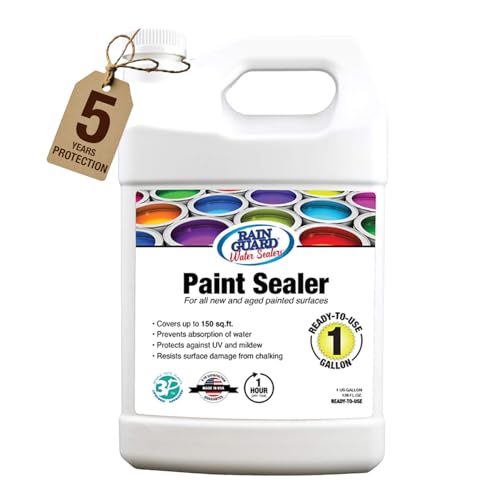
Designed for painted concrete, wood, and stone surfaces, this silane/siloxane acrylic waterproofing sealer delivers a water-repellent barrier with a semi-satin finish. It’s UV resistant and suitable for both indoor and outdoor projects, helping to extend surface life while preserving a polished appearance. It’s a practical upgrade for painted decks, fences, or masonry walls.
Who it’s best for: homeowners with painted surfaces seeking a clear, durable topcoat that adds water resistance without dramatically changing color or sheen. Choose this for medium to larger areas that require a uniform finish.
Limitation: the product’s finish is semi-satin; if a highly glossy or matte finish is preferred, consider alternatives with a different sheen level.
Thompson’s WaterSeal Clear Wood Sealer
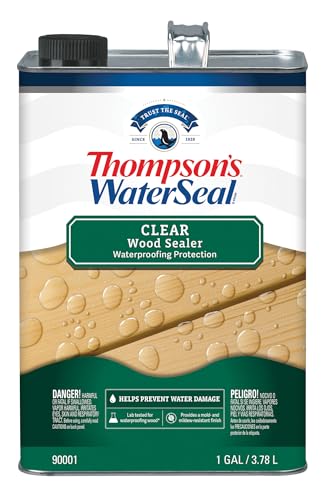
Thompson’s provides a clear wood sealer that helps protect outdoor wood surfaces from water damage while maintaining a natural color. Suitable for decks, fences, and other exterior wood, it offers a straightforward option for preserving wood’s appearance without visible tint. It can also be used in some concrete or brick waterproofing contexts where wood-facing materials are involved.
Who it’s best for: individuals seeking a simple, clear exterior wood sealant that protects against moisture while preserving natural wood color. It’s a solid choice for budget-conscious projects that require reliable performance.
Caution: verify compatibility with any painted or stained surfaces, as an additional sealant may be needed for full protection on painted materials.
DAP Concrete And Mortar Filler And Sealant

This gray sealant and filler is ready to use with no mixing, designed to seal cracks and holes in exterior or interior concrete and masonry. It’s a practical option for quick crack repairs that require flexibility and easy cleanup. Drive-in applications or patches can simplify repair workflows for masonry projects.
Who it’s best for: DIYers tackling visible crack repairs and small holes in concrete or masonry without a need for mixing or special tools. Opt for this when you want a fast, simple repair that dries to serviceable quickly.
Limitation: not a full-surface sealer; it’s best used as a structural crack filler rather than a comprehensive waterproof coating.
Buying Guide
Key considerations when choosing a concrete and wood sealer:
- Surface compatibility: match the sealer to concrete, stone, brick, or exterior wood. Some sealers suit multiple substrates, others are specialized for wood or for concrete only.
- Sheen and appearance: decide whether you need a clear, matte, or semi-satin finish that won’t alter color significantly.
- Water exposure level: consider climate, rain frequency, and sun exposure. For harsher environments, choose a product with deeper penetration and UV resistance.
- Application scope: large outdoor projects may require gallon-size sealants with longer drying times; spot repairs may be best with smaller containers.
- Safety and odor: check for low-odor formulas and VOC content if indoor use is anticipated.
- Longevity and maintenance: some sealers offer long-term protection and fewer reapplications, while others are easier to reapply when needed.
Practical tips for choosing and applying
- Prepare the surface: remove dirt, loose material, and old coatings to maximize adhesion and penetration.
- Test on a small area: check for color change or film formation before wider application.
- Follow curing times: allow full dry time between coats if multiple layers are recommended.
- Apply evenly: use brushes, rollers, or sprayers suited to the substrate and product instructions.
- Safety first: ensure adequate ventilation for solvent- or low-odor products and wear protective gear as directed.
Frequently Asked Questions
- What is the main difference between a penetrating sealer and a surface sealant?
Penetrating sealers soak into the material to repel water, while surface sealants create a protective film on top. - Can I seal concrete and wood with the same product?
Some products are formulated for both, but verify substrate compatibility and follow manufacturer guidelines. - Is a clear finish always best for wood?
Clear finishes preserve natural color but may require more maintenance in UV-heavy environments. - How often should I reapply sealer?
Reapplication cadence depends on product, exposure, and wear; follow the label’s recommendations and inspect yearly. - Are there eco-friendly options?
Yes; look for low-VOC formulas and water-based sealers when indoor use or environmental impact matters. - Do sealers fix existing water damage?
Sealants prevent further damage but do not repair structural issues; address underlying moisture sources first.