If you’re painting a nursery, choose white paints that are low-odor, low-VOC, and durable for kid-friendly spaces. The top options below are ideal for walls, furniture, and small touch-ups. They’re selected for ease of use, quick drying, and suitability for indoor environments. This guide helps parents, renters, and DIY enthusiasts pick white finishes that work well in nurseries while reducing exposure to strong smells and fumes.
| Product | Type | Best For | Notes |
|---|---|---|---|
| Rust-Oleum 331181 Painter’s Touch 2X Ultra Cover Spray Paint | Spray Paint | Wall and furniture touch-ups, small projects | Oil-based; fast dry; strong chip resistance |
| Rust-Oleum 1993502 Painter’s Touch Ultra Cover Multi-Purpose | Brush-On Paint | Flat or semi-gloss white on furniture and trim | Water-based acrylic; low odor; covers large areas |
| Vigorder White Touch Up Paint – 30ML | White Paint Pen | Spot repairs on walls, doors, cabinets | Water-based acrylic; built-in brush; low odor |
| Vigorder White Paint for Wood – 6.35 oz | All-In-One Wood Paint | Furniture, trim, doors; one-step touch-ups | Water-based; easy to use; good adhesion |
| DWIL White Touch Up Paint – 1.5 Fl Oz | Multi-Surface Paint Pen | Scratch repairs on walls, trim, metal | Semi-gloss; quick-drying; built-in brush |
Rust-Oleum 331181 Painter’s Touch Spray Paint

Best for quick, even coverage on smaller nursery projects where a spray finish is ideal. The oil-based formula resists chips and dries to touch in about 20 minutes, covering up to 12 sq. ft. per can. Choose this for accent pieces or tight corners where brushing is impractical.
Who this is best for: parents or DIYers needing fast, touch-up color on furniture, décor, or small walls. Caution: oil-based paints can have stronger odors; ensure good ventilation and allow ample drying time before nursery re-entry.
Rust-Oleum 1993502 Painter’s Touch Ultra Cover

This brush-on, multi-purpose paint is well-suited for furniture, trim, and decorative walls in nurseries. It’s a water-based acrylic formula with low odor and long-lasting protection. It covers up to 120 sq ft and dries to touch in about 30 minutes, speeding up larger nursery makeover projects.
Best for: rooms where a durable, washable finish is needed on wood or plaster surfaces. Better for: larger surfaces than spray options. Avoid if: you require the absolute lowest odor—though it is low, some users notice a brief scent during application.
Artsunlvy White Paint Pens – 2 Pack

Ideal for precise touch-ups on ceramic, glass, metal, or dark surfaces. The opaque white ink dries quickly and is water-resistant once set. Use for corner repairs, small glyphs on furniture, or touch-ups on nursery storage solutions where accuracy matters.
Best for: detailed fixes and small discolorations in high-visibility spots. Limitation: not designed for large surface painting; best used as a detailing tool rather than a primary wall finish.
Vigorder White Paint for Wood – 6.35 oz
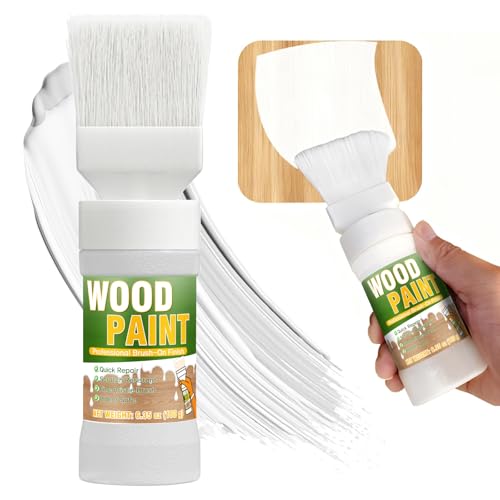
All-in-one white paint designed for wood, trim, furniture, doors, and more. It requires no sanding or priming and provides a single-step refresh with a built-in brush. It’s best for homeowners who want quick, uniform coverage on wooden nursery furniture and frames.
Best for: rapid refresh of wooden surfaces. Choose this if you want a one-coat solution; a second coat may improve coverage on darker woods. Caution: may not be ideal for high-gloss or sealed surfaces without proper surface prep.
DWIL White Touch Up Paint – 1.5 Fl Oz

DWIL’s pen-style paint offers a semi-gloss white finish with a built-in brush, designed for interior and exterior repairs. It adheres well to walls, trim, cabinets, metal, and appliances, making it a versatile touch-up tool for nursery furniture and doors. Quick-drying for fast repairs.
Best for: small chips and scratches on multiple surfaces. Limitation: limited quantity per bottle; may require multiple pens for larger jobs.
Buying Guide: Key Considerations For Nursery White Paint
What finish should I choose for nursery walls? For walls, consider low-odor water-based acrylics in matte to eggshell finishes. They minimize glare and are easier to touch up on painted surfaces. If you’re painting furniture or trim, semi-gloss or satin finishes are easier to clean and resist fingerprints.
How important is odor and VOC content? Very important in nurseries. Look for low-VOC, water-based formulas labeled for interior use. Ventilate during application and allow full curing time before babies spend extended time in the room.
Is touch-up paint a good option for nurseries? Yes, for quick repairs on walls, doors, and furniture. Pen-style options and all-in-one paints reduce prep time and are easier for non-professionals to use. Keep a small kit handy for chips or scuffs on furniture and high-traffic areas.
What about durability and washability? Choose paints with durable finishes that are washable or scrub-friendly. Semi-gloss or satin surfaces tend to hold up better to cleaning in a nursery environment.
How should I plan with multiple surfaces? For walls, use a wall-ready paint. For wood furniture or trim, select a product designed for wood or multi-surface use. For tight corners or small items, spray paints or paint pens can offer precise control without heavy prep work.
FAQ
- What finish is best for nursery walls? A low-odor, water-based acrylic in matte or eggshell finish is typically best for nurseries to reduce glare and odors.
- Are spray paints safe for nurseries? They can be convenient for small projects, but ensure good ventilation and consider window opening or a time delay before the room is used again.
- Can paint pens fix wall scratches in a nursery? Yes, paint pens are ideal for small chips and touch-ups on walls and furniture where precision matters.
- Should I prime before applying white paint? For most light-colored surfaces, a primer can improve coverage, especially on dark or stained areas. Some all-in-one paints claim to work without primer.
- How long should a nursery be ventilated after painting? Ventilate during application and for at least 24 hours after curing, depending on odor strength and product guidelines.
- Is low-odor paint always low-VOC? Not always; check the product label for VOC content to ensure it meets your air quality requirements.