Yes, a dedicated sealant helps protect acrylic paintings on canvas while preserving color depth and finish. This guide showcases top products and explains who each one is best for—whether you want a crystal-clear gloss, a subtle satin sheen, or a durable matte look. The selections emphasize non-yellowing formulas, even application, and compatibility with canvas art. Use the short buying table below to compare key points at a glance.
| Product | Finish | Best For |
|---|---|---|
| MCTRHG Clear Acrylic Paint Sealer (Gloss) | Gloss | Rich color vibrancy; glossy, glass-like finish |
| Mod Podge Spray Acrylic Sealer (Gloss) | Gloss | Spray sealing on multiple surfaces; quick-dry convenience |
| Aleene’s 26412 Spray Gloss Finish | Gloss | Clear protective gloss for indoor/outdoor projects |
| GRANOTONE Clear Coat Acrylic High Gloss | Gloss | Professional-grade protection and bright sheen |
| MCTRHG Clear Acrylic Satin Varnish | Satin | Balanced sheen with natural look for most artworks |
MCTRHG Clear Acrylic Paint Sealer Gloss
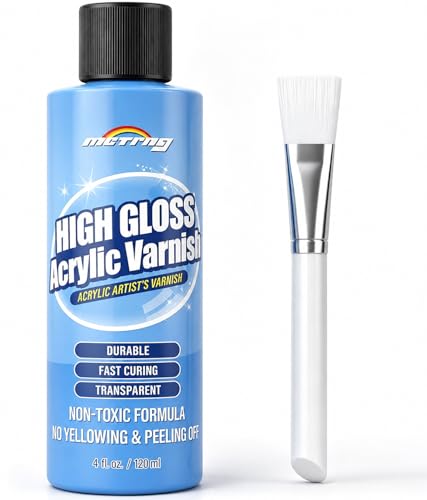
Best for artists seeking a crystal-clear, wet-look finish that adds depth without haze. Features include a permanent protection layer that resists yellowing and UV damage, keeping colors vibrant. The self-leveling formula dries fast to a glass-like shine with minimal brush marks. This is a strong choice for canvases where color richness and a high-gloss surface are desired. Caution: higher gloss can emphasize texture; apply thin layers to avoid pooling.
Mod Podge Spray Acrylic Sealer (Gloss)
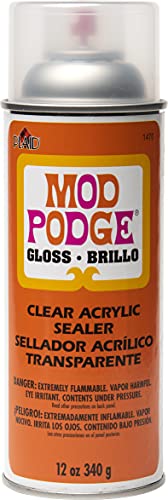
Best for quick, uniform spray coverage on mixed media or canvas projects. The spray dries crystal clear with a durable gloss that enhances color depth. Suitable for multiple surfaces, including wood and metal, making it versatile for studio setups. Limitation: spray finish can be prone to overspray or drips if applied too thickly in a single pass; sanding between coats may be needed for a perfectly smooth look.
Aleene’s 26412 Spray Gloss Finish

Best for projects requiring a clear, glossy protective coat with broad indoor/outdoor applicability. The finish adds luster while protecting against dust and minor wear. Use on canvas to maintain vibrant color and a polished look. Limitation: gloss finishes can highlight surface irregularities; ensure a smooth base before application.
GRANOTONE Clear Coat Acrylic High Gloss

Best for artists seeking professional-grade protection and a bright, crystal-clear finish. It emphasizes resistance to yellowing and crazing, helping artworks stay true to their original look. This is a robust option for gallery-ready pieces or detailed acrylic work on canvas. Caution: application may require even, thin coats to prevent drips or sagging on larger surfaces.
MCTRHG Clear Acrylic Satin Varnish

Best for a natural-looking sheen that preserves texture and fine details. Provides balanced protection against UV exposure and dust without the high gloss of a pure varnish. Choose this if you want a subtle, non-glare finish that still enhances color depth. Limitation: satin finishes may not be ideal where an ultra-bright surface is desired.
MCTRHG Clear Acrylic Matte Varnish
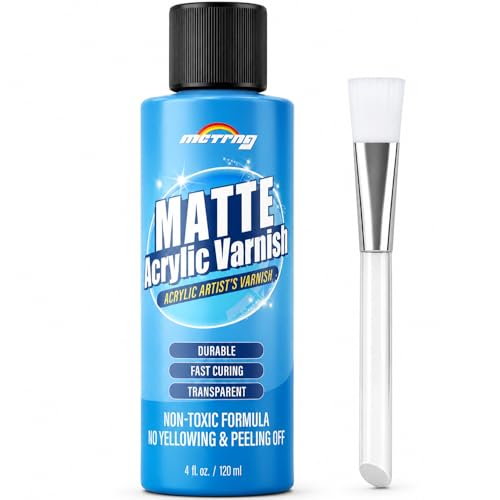
Best for a glare-free, natural look that preserves texture and detail. Matte finishes reduce reflections and are less likely to show brush marks when applied in thin layers. Useful for artworks where viewing under bright light should not create hotspots. Caution: matte coatings can dull color slightly; test on a small area first to confirm desired result.
SEVENWELL Gloss Varnish for Acrylic Painting

Best for paint-by-number projects and hobby artists seeking a non-yellowing, anti-crazing gloss. This varnish is designed for quick application and a bright finish, suitable for canvases and other surfaces. Caution: as with any gloss product, even layers are essential to avoid pooling on larger canvases.
Buying Guide: Key Purchase Considerations
- Finish preference: Gloss, satin, or matte? Gloss gives vibrant color, satin offers a balanced look, and matte reduces glare while preserving texture.
- Non-yellowing and UV resistance: Look for formulations that resist yellowing and UV damage to keep colors accurate over time.
- Application method: Sprays are fast and easy for large areas; liquids with brushes allow control on detail work. Self-leveling formulas reduce brush marks.
- Surface compatibility: Ensure the sealant adheres well to canvas, and is fine for use over acrylic paints without clouding.
- Durability: Consider your art’s exposure—indoor displays vs. pieces that may be touched or moved often.
- Drying time and recoat windows: Some products dry quickly; others allow multiple coats within the same day. Follow manufacturer guidance for best results.
FAQ
- Do these sealants yellow over time? Most modern sealants advertise non-yellowing formulas, but test on a small area to confirm with your pigments.
- Can I use spray sealers on a finished canvas? Yes, many spray sealers are designed for canvas, wood, and other surfaces. Apply in thin, even coats.
- Which finish is best for canvases with rich metallics? Gloss finishes tend to enhance metallics, but satin can reduce glare while preserving color depth.
- How many coats are recommended? Typically 1–3 thin coats, allowing proper drying between applications. Avoid thick layers that can cause drips.
- Will sealants protect against moisture? Most provide some moisture resistance, but avoid soaking the canvas. Store art away from high humidity.
- Are all sealants compatible with all acrylic paints? Most are broadly compatible, but test on a sample area if you used specialty paints or heavy textures.