Sticky residues on glass can come from labels, tape, stickers, or spills. Proper technique preserves clarity and avoids scratching. This guide outlines practical steps, safe tools, and common pitfalls to restore glass surfaces to their original shine.
Quick Answer
Best starting approach: use a glass scraper with a safety guard to lift the film, followed by an adhesive remover or solvent, then a dedicated glass cleaner and microfiber cloth to finish. For stubborn spots, repeat with a citrus-based remover and a razor blade scraper for precision—careful, shallow strokes prevent scratches.
What You’ll Need
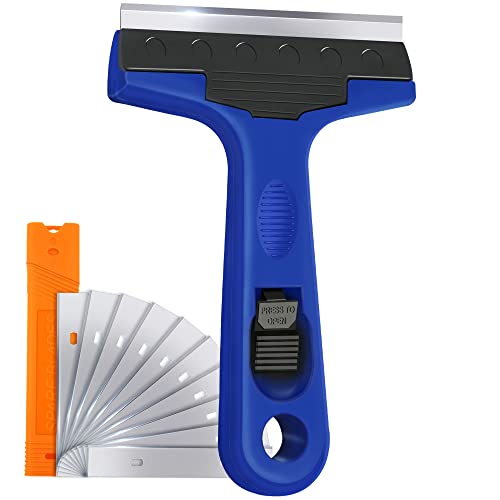
- 4 inch glass scraper with safety guard for window residue removal
- adhesive remover gel for glass windows citrus-based 12 oz
- glass cleaner microfiber cloth 16×16 for sticky residue
- razor blade scraper for glass window cleaning 4 inch handle
- sticky residue remover solvent for glass surfaces 8 oz


Before You Start
Prepare a small, clean workspace and protect nearby surfaces with a soft cloth. Work in good lighting to spot faint residues. Test any solvent on a hidden corner first to ensure it doesn’t affect the glass finish. Avoid excessive pressure that could scratch. Ventilate the area if using solvent-based products and wear safety gloves if you have sensitive skin. Estimate 15–45 minutes depending on the amount of residue.
Step-By-Step: How To Remove Sticky Residue From Glass Surfaces
- Identify the residue type and choose the initial method: label glue, tape adhesive, or sticker residue.
- Gently scrape the edge of the residue with the glass scraper, keeping the blade at a low angle to prevent gouging.
- Apply a small amount of adhesive remover gel or sticky residue remover solvent to the area. Allow it to sit for 1–3 minutes to soften the film.
- Wipe away softened residue with a microfiber cloth using circular motions. Reapply if necessary and repeat scraping as needed.
- For stubborn spots, use the razor blade scraper with a 4 inch handle. Hold at a shallow angle and work in smooth, even strokes.
- Clean the area with glass cleaner to remove remaining gel or solvent residue. Wipe dry with a fresh microfiber cloth.
- Inspect for any streaks. If faint films remain, reapply a light amount of remover and buff until clear.
- For large windows, work in sections to maintain consistent results and minimize rework.
- Finish with a final wipe using a dry microfiber cloth to ensure a streak-free surface.
- Dispose of used rags and scraper blades safely according to local guidelines and product instructions.
- Store products in a cool, dry place away from children and pets.
- Re-evaluate after a day to catch any missed spots and address promptly.
Troubleshooting
| Symptom | Likely Cause | Fix | Prevention |
|---|---|---|---|
| Streaks or haze | Residue left behind after cleaning | Reapply remover, scrub with microfiber, then re-clean with glass cleaner | Test cleaner in small area first; avoid over-wetting |
| Scratches appearing | Using excessive pressure or dull blade | Switch to a new blade; use light strokes; stop if resistance is strong | Keep blade angle shallow; use guard safety feature |
| Residue returns after cleaning | Sticky residue diffuses due to heat or solvents | Use a solvent designed for glass; consider repeating in cooler conditions | Avoid leaving solvents on glass longer than recommended |
| Soap film after water rinse | Residual cleaner or hard water minerals | Rinse with fresh water, then dry with microfiber | Rinse with distilled water if possible |
Common Mistakes
- Using excessive force with the razor blade and glass scraper
- Over-application of solvent without adequate dwell time
- Choosing harsh cleaners that leave residues or damage coatings
- Skipping a final wipe which leads to streaks or smears
- Not testing products on a hidden area first
Tips For Best Results
- Work in small sections to keep control over the residue removal process.
- Pair a citrus-based adhesive remover with a microfiber cloth for efficient cleaning.
- Use the safety guard on scrapers to prevent accidental nicks on glass edges.
- Choose a warm, not hot, environment to enhance solvent effectiveness without drying too quickly.
- Follow product instructions for dwell times to maximize residue softening.
Call A Professional
Consider professional help if the glass is a delicate surface with coatings, tempered or decorative glass, or if the residue covers a large area and stubbornly resists removal after multiple attempts. Signs to seek expert assistance include persistent hazing, visible scratches, or coatings that may be damaged by DIY solvents. If in doubt, consult a local glass cleaning specialist for safe handling and optimal results.
FAQ
Can I use household products to remove sticky residue from glass?
Some household products may work for light residues, but specialized gels and solvents are typically more reliable and safer for glass surfaces.
Is it safe to use a razor blade on glass windows?
Yes, with a sharp, dedicated glass razor and a very shallow angle, while applying proper pressure control and protection with a guard.
What if the residue is on old glass or coatings?
Test a small area first and avoid aggressive methods that could scratch or damage coatings; consider a professional assessment for delicate surfaces.
How can I prevent residue buildup in the future?
Remove sticky items promptly after application, use protective films when possible, and clean regularly with a dedicated glass cleaner and microfiber cloth.
What should I do if the glass fogs after cleaning?
Rinse and dry thoroughly; check for leftover cleaner or moisture and buff with a dry microfiber to remove any film.
Buying Guide
When choosing tools and products to remove sticky residue from glass, buyers should consider several factors. Size and scope of the area determine whether a small handheld scraper suffices or a larger setup is needed. Noise level matters for indoor use, especially in quiet environments. Energy efficiency isn’t a primary concern here, but product stability and long-lasting performance are important. Look for controls on the remover, ease of application, and whether a citrus-based solvent supports quick, fresh cleaning without harsh fumes. Place consideration includes accessibility around windows or glass doors and whether tools are comfortable to grip during extended use. Compare options by residue strength, dwell time, and compatibility with tempered or coated glass to ensure a safe, streak-free result. Do you want a quick finish on light residue or a robust kit for tougher jobs? A balanced choice should cover most common scenarios with simple, repeatable steps.