Cleaning interior walls helps brighten a room, remove scuffs, and maintain a fresh, welcoming space. This guide walks through practical methods suitable for typical painted walls, wallpapered surfaces, and areas with stubborn grime. With common household tools and a few specialty items, homeowners can achieve professional-looking results without professional help.
Whether you’re preparing for guests, lightening after a dust storm, or touching up after kids and pets, the steps below are designed to be straightforward and repeatable, using tools that are readily available in American households.
Quick Answer
Best approach: start with dry dusting, then use a gentle damp cleaning method, and finish with a quick rinse to prevent streaks. For stubborn spots, apply a targeted scrub using an extension pole wall scrub brush or interior wall scrubbing sponge with a long handle. For delicate surfaces, a microfiber wall cleaning mitt with handle minimizes damage while lifting grime.
What You’ll Need
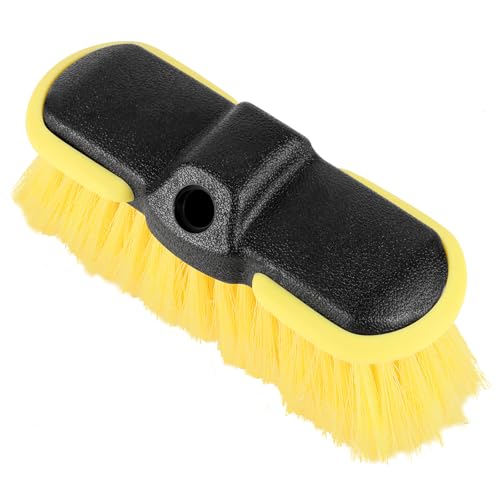
- Extension pole wall scrub brush
- Microfiber wall cleaning mitt with handle
- Interior wall scrubbing sponge with long handle
- Reusable microfiber wall cleaning cloth set
- Slim squeegee for interior wall cleaning


Before You Start
Prepare a reachable work area by moving furniture and laying down drop cloths. Test cleaning on a hidden area first to ensure no damage or color loss. Start with the mildest approach and escalate only if necessary. Work in sections, from top to bottom to prevent dripping onto cleaned areas. Protect floors and outlets with towels or plastic sheeting, and wear gloves if using cleaning solutions beyond water and mild soap.
Time estimate: 30–90 minutes depending on wall size and grime. For large homes or heavily soiled surfaces, plan extra time and take breaks to avoid wrist fatigue.
Step-By-Step: How To Clean Interior Walls
- Remove loose dust with a dry microfiber cloth or a vacuum attachment designed for walls to prevent muddy streaks.
- Dust corners and moldings with a dry brush before damp cleaning to avoid redistributing dirt.
- Fill a bucket with warm water and add a small amount of mild dish soap. Dip the microfiber wall cleaning mitt with handle or sponge, then wring well.
- Wipe walls in a field-like pattern—start at the top and work downward in smooth, overlapping strokes. Use the extension pole wall scrub brush for stubborn areas such as scuff marks and handprints.
- For textured surfaces, glide the interior wall scrubbing sponge with long handle along the texture to lift embedded grime without saturating the wall.
- Rinse the cleaning tool regularly and swap to a clean section of cloth or sponge to avoid spreading dirt. Wipe with plain water to remove soap residue where needed.
- For glossy or semi-gloss paints, a final wipe with a clean damp cloth can help reduce streaking. Dry with a microfiber cloth set or a slim squeegee to manage any remaining moisture.
- Address any persistent marks with a targeted, light dab using the microfiber wall cleaning mitt with handle before moving to the next area.
- Revisit high-traffic spots after the entire wall is cleaned to ensure uniform appearance and full dryness.
- Inspect seams and edges for missed grime; re-clean as necessary and allow walls to air dry completely before returning furniture.
- Store cleaning tools in a dry place and label cloths for future use to prevent cross-contamination of soils.
- Optional: If walls are heavily soiled or stained, consider a professional paint or primer touch-up after cleaning to restore uniform color and finish.
Troubleshooting
| Symptom | Likely Cause | Fix | Prevention |
|---|---|---|---|
| Streaks after cleaning | Soap residue or excessive moisture | Rinse with clean water and dry with a microfiber cloth | Wring tools well; use minimal soap |
| Color transfer on cloths | Dirty walls or wrong cleaning solution | Switch to clean cloths and test with mild solution | Dust first; use light, uniform pressure |
| Scratches on painted surface | Rough sponge or harsh scrubbing | Switch to a soft microfiber mitt and gentle strokes | Avoid abrasive tools |
| Water marks near ceilings | Excess moisture and poor drying | Wring tools more and dry with squeegee | Work in a controlled, small area and dry immediately |
| Paint peeling after cleaning | Weak or damaged paint | Stop scrubbing that area; consider a touch-up or repaint | Use appropriate cleaners for wall type |
Common Mistakes
- Using harsh cleaners on delicate paints or wallpaper
- Over-wetting walls, which can damage plaster or cause peeling
- Neutralizing cleaning tools with strong chemicals without testing first
To avoid these issues, start with the least invasive method and gradually increase intensity only as needed. Protective gear and proper tool selection help minimize damage and make the process smoother.
Tips For Best Results
- Always dust before washing to reduce mud on walls.
- Use extension poles for hard-to-reach areas to prevent strain and maintain even pressure.
- Choose microfiber tools for their lint-free, non-scratch properties and absorbency.
- Test any solution on a hidden section to prevent color loss or finish damage.
- Keep a routine cleaning schedule to prevent heavy buildup and simplify future touch-ups.
Call A Professional
Consider hiring a pro if walls show extensive water damage, extensive wallpaper stripping is required, or paint is peeling extensively. Stop cleaning and call a professional if: there is visible mold, persistent odor, or staining that resists conventional cleaning. In cases of structural damage or unsafe household conditions, a licensed contractor or painter may be necessary.
FAQ
Can I clean walls with just water?
Yes, plain water can remove dust and light grime, but soap helps lift oil-based residues and fingerprints more effectively.
What walls are safe to clean with tools?
Most painted walls respond well to gentle cleaning. Test a small area first, especially on matte or delicate wallpapers.
How often should interior walls be cleaned?
Light cleaning every few months keeps dirt from accumulating; more frequent cleaning may be needed in high-traffic areas or homes with children and pets.
Are there cleaning products to avoid on walls?
Avoid ammonia-based or bleach-heavy solutions on wallpaper or sensitive finishes unless the manufacturer approves their use.
Buying Guide
Choosing the right tools for cleaning interior walls involves considering size, noise level, energy efficiency, controls, and placement. Size matters for reach; an extension pole helps reach ceiling edges without a ladder. Noise levels are typically low with manual scrubbers and microfiber tools, making them suitable for daytime cleaning in shared living spaces. Energy efficiency is not a primary concern for hand tools, but selecting durable, reusable microfiber cloths reduces waste and cost over time. Controls are simple: choose tools with comfortable grips and interchangeable heads for different surfaces. Placement should be near cleaning supplies for quick, safe access during routine maintenance. When comparing sets, look for compatibility with various wall textures, including painted, semi-gloss, and textured surfaces, and ensure the kit includes a long-handled option for hard-to-reach areas.