Maintaining clean air filters is a simple yet effective way to improve indoor air quality and keep cooling systems running efficiently. The following guide provides practical steps, tools, and safety tips tailored to American homes and HVAC setups. By following these steps, you can extend filter life, reduce energy use, and minimize allergens.
Introduction
Regular AC filter cleaning helps the system push air more efficiently and can prevent buildup that leads to odors or reduced cooling. The process varies slightly depending on the filter type and your equipment, but the core idea remains the same: remove debris, clean or replace the filter, and reassemble carefully. This guide covers common methods, including using specialized brushes and cleaning kits to simplify the task.
Quick Answer
To clean an AC filter, remove it from the unit, gently knock off loose dust, use a dedicated filter brush or vacuum with a HEPA attachment, rinse if the filter is washable, and let it dry completely before reinstalling. If the filter is disposable, replace it with a new one after cleaning the surrounding area.
What You’ll Need
- AC filter cleaning brush
- HVAC air filter cleaning kit
- Vacuum cleaner with HEPA attachment for air conditioner filters
- Window/portable AC filter cleaning brush
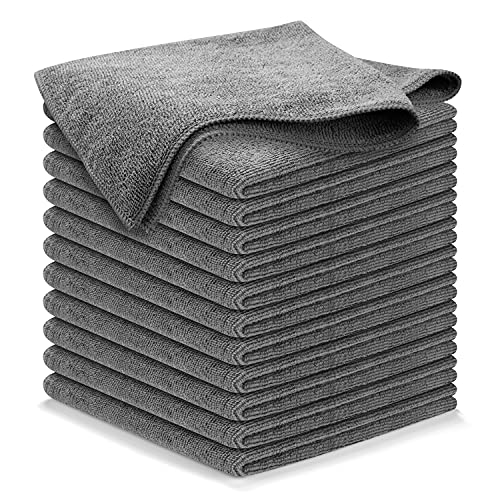
- Reusable microfiber cleaning cloth for HVAC filters


Before You Start
Before beginning, turn off the air conditioner and, if possible, unplug the unit to prevent motor or fan injuries. Protect floors with a drop cloth or towels, and wear a dust mask if dust is heavy. Check the filter type: some are washable, while others are disposable and should be replaced after cleaning. Allow ample time for drying if a washable filter is used, typically 24 hours in a dry, airy space. Important cautions include avoiding harsh chemicals on certain filters and never washing a disposable filter—doing so can warp the media and void warranties.
Step-By-Step: How To Clean An AC Filter
- Power down the unit and locate the filter access panel on the indoor or window unit.
- Carefully remove the filter, noting its orientation for correct reinstallation.
- Gently brush off loose dust with the AC filter cleaning brush or a window/portable AC filter cleaning brush.
- Vacuum both sides of the filter with a HEPA-attached vacuum to capture fine particles.
- If the filter is washable, rinse it under lukewarm running water from the clean side to the dirty side until water runs clear.
- Let the filter air-dry completely in a clean, well-ventilated area before reinstalling.
- Reinsert the filter, ensuring the airflow arrows align with the unit’s direction of airflow.
- Wipe the exterior housing and vent grilles with a reusable microfiber cleaning cloth to remove any residual dust.
- Power the unit back on and run a short test cycle to ensure proper airflow.
Troubleshooting
| Symptom | Likely Cause | Fix | Prevention |
|---|---|---|---|
| Weak airflow after cleaning | Filter not fully dried or reinstalled incorrectly | Re-check orientation and dry completely before reinstalling | Label and dry times; use a timer |
| Visible moisture on filter | Filter is not designed to be air-dried or was over-washed | Use only recommended cleaning method for washable filters | Follow manufacturer instructions |
| Unpleasant odor after cleaning | Moist environment or mold build-up | Ensure thorough drying; consider replacing mold-prone filters | Regular drying and cleaning cycles |
| Filtration media torn | Rough brushing or aggressive handling | Use gentler strokes and proper brushes | Handle filters with care |
Common Mistakes
- Using high-pressure water or harsh chemicals on delicate filter media
- Washing disposable filters or reusing dirty filters
- Skipping drying time after washing, leading to mold growth
- Not maintaining the correct filter orientation during reinstallation
- Neglecting the surrounding grilles and housing while cleaning
Tips For Best Results
- Schedule a routine filter cleaning every 1–3 months, depending on usage and environmental factors.
- Use a dedicated AC filter cleaning brush for a thorough yet gentle clean.
- Pair cleaning with an occasional vacuum-with-HEPA attachment to capture fine dust efficiently.
- Consider a reusable microfiber cloth in addition to brushes to remove stubborn debris.
- Create a drying station near a sunny or well-ventilated area to speed up moisture evaporation.
- Keep spare filters on hand to minimize downtime during cleaning cycles.
Call A Professional
If the system exhibits persistent airflow issues, unusual noises, refrigerant concerns, or repeated mold problems despite cleaning, contact a licensed HVAC technician. Seek prompt help for signs of electrical risk, visible leaks, or heavy corrosion around the filter housing. Do not attempt complex repairs yourself, especially when electrical components or refrigerant are involved.
FAQ
How often should I clean my AC filter?
Most homes benefit from cleaning every 1–3 months, but high-use periods or dusty environments may require more frequent maintenance.
Can I wash a disposable filter?
No. Disposable filters should be replaced after cleaning attempts; washing can damage the media and reduce filtration efficiency.
What tools help make cleaning easier?
A dedicated AC filter cleaning brush, an HVAC air filter cleaning kit, and a vacuum with a HEPA attachment improve effectiveness and reduce dust.
Is it safe to run the AC while cleaning?
It’s best to power down the unit during cleaning. After reassembly and drying, you can run a short test cycle to confirm proper operation.
Should I replace filters at the same time as cleaning?
Yes, replace disposable filters after cleaning if they show wear or are designed for one-time use; otherwise, follow the manufacturer’s guidance for washable filters.
What if I notice mold on the filter?
Remove and replace the filter immediately and clean the housing; consult a professional if mold recurs frequently.
Buying Guide
When selecting filters and cleaning tools, consider size compatibility with your unit, filter type (washable vs. disposable), and ease of maintenance. Noise level and energy efficiency are usually more influenced by the overall system than by the filter itself, but a clean filter supports optimal airflow and reduces energy consumption. Controls and placement affect accessibility for routine cleaning and easy replacement. For tools, look for a dedicated AC filter cleaning brush and an HVAC cleaning kit that includes multiple brush sizes and a microfiber cloth. A vacuum with a HEPA attachment helps capture fine dust without recirculating it. For portable or window units, ensure compatible brushes are designed for the specific filter dimensions. Regular maintenance of filters and housings reduces odors, improves airflow, and extends equipment life.