Stainless steel appliances bring a modern, high-end look to kitchens, but keeping them streak-free can be challenging. With the right routine, products, and technique, homeowners can achieve a mirror-like finish that resists fingerprints and smudges. This guide outlines practical methods for removing grease, lifting smudges, and maintaining a uniform shine across appliances.
By following a simple, repeatable process, you can minimize effort while maximizing results. The steps below focus on common household tools and readily available cleaners designed for stainless steel, helping you maintain a pristine kitchen environment with confidence.
Quick Answer
Best overall approach: Use a dedicated stainless steel cleaner or polish paired with microfiber cloths to wipe in the direction of the grain, then buff to a streak-free shine. For light smudges, stainless steel cleaning wipes can work well. Avoid abrasive pads and chlorine-based cleaners that can dull the finish.
What You’ll Need
The following tools and products cover routine cleaning and touch-ups. Gather items before you start to keep the workflow smooth.
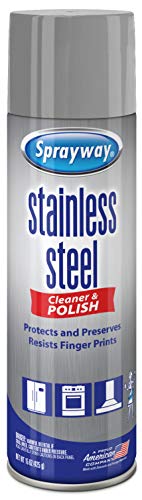
- Stainless steel appliance cleaner spray no streaks 20 oz
- Microfiber cloths for stainless steel appliances 12×16 inches
- Stainless steel polishing kit with microfiber pads
- Stainless steel cleaning wipes no streaks 100 count
- Stainless steel surface polish with microfiber cloth


Before You Start
Prepare a clean, clutter-free workspace and protect nearby surfaces from any spray residue. Work in a well-ventilated area and test any product on a small, inconspicuous spot first to ensure no adverse reactions. Plan for a two-step process: remove grime, then finish with a protective buff. Typical cleaning sessions for several appliances take about 20–40 minutes depending on the level of soiling. Important cautions: avoid abrasive scrubbers, chlorine-based cleaners, and any product containing ammonia that can damage the finish. Stop immediately if you notice dulling, pitting, or discoloration.
Step-By-Step: How To Clean Stainless Steel Appliances Without Streaks
- Begin by wiping loose dust and surface particles with a dry microfiber cloth to prevent scratching during subsequent cleaning.
- Select a cleaner designed specifically for stainless steel and spray a light, even mist onto the cloth or directly onto the appliance where allowed by the product instructions.
- Wipe in the direction of the grain to avoid swirling. Use long, steady strokes to lift oil and fingerprints rather than push them around.
- For stubborn smudges, apply a second pass with a microfiber pad from the stainless steel polishing kit, focusing on the high-traffic areas like handles and doors.
- For quick touch-ups, use stainless steel cleaning wipes no streaks 100 count. Wipe, then immediately buff with a dry microfiber cloth to remove any residue.
- Finish with a light buff using the microfiber cloth or polishing kit’s pad, moving in the direction of the grain. This step helps seal the surface and reduce future fingerprint marks.
- Inspect from multiple angles and adjust pressure as needed. If streaks persist, switch to a fresh microfiber cloth and re-wipe the area.
- In problem areas like refrigerator doors or range hoods, repeat the process after a short break to allow the cleaner to work on greasy residues.
- Apply a thin layer of stainless steel surface polish with microfiber cloth to protect the finish and enhance shine. Avoid over-application which can leave a residue.
- Let the surface dry completely before touching or loading items back onto shelves to prevent new smudges from forming.
- For routine maintenance, implement a quick weekly wipe-down using the spray and microfiber cloths, followed by a monthly polish for best results.
- Store cleaners upright and away from heat sources, ensuring the cloths stay clean and ready for next use.
Troubleshooting
| Symptom | Likely Cause | Fix | Prevention |
|---|---|---|---|
| Streaks after cleaning | Residual cleaner or water spots | Buff with dry microfiber cloth in the grain direction | Wipe with a slightly damp cloth first, then dry immediately |
| Smudges not lifting | Greasy buildup or heavy fingerprints | Reapply cleaner and use polishing kit pad with gentle pressure | Clean regularly to prevent buildup |
| Cloudy appearance | Harsh cleaner or incompatible surface polish | Switch to a product labeled for stainless steel and re-buff | Avoid ammonia-based or abrasive products |
| Scratches visible after cleaning | Abrasive scrubber or rough cloth | Use only microfiber and soft pads | Test cleaners on inconspicuous area first |
Common Mistakes
- Using abrasive pads or steel wool that scratch the surface.
- Over-wetting the cloth, causing liquid to seep into seams or edges.
- Cleaning with circular motions that create micro-swirls instead of straight strokes along the grain.
- Applying too much cleaner, which can leave a film or haze.
Tips For Best Results
- Always wipe in the direction of the grain for a uniform finish.
- Use fresh microfiber cloths or pads for best absorption and lint-free results.
- In high-traffic kitchens, schedule a weekly wipe-down and a monthly polish cycle.
- Keep a dedicated set of tools for stainless steel to avoid cross-contamination from other surfaces.
- Store cleaners in a cool, dry place away from direct sunlight to preserve effectiveness.
Call A Professional
Seek professional help if you notice persistent cloudiness, discoloration, or pitting that does not respond to standard cleaning. Also contact a pro if your appliances are coated or painted rather than stainless steel, as incorrect products can cause irreversible damage.
FAQ
What is the best way to remove fingerprints from stainless steel?
Wipe with a dedicated stainless steel cleaner or cleaning wipe, then buff with a microfiber cloth in the grain direction.
Can I use vinegar or lemon juice on stainless steel?
Some cleaners use mild acids; however, test first and avoid highly acidic or abrasive solutions that can damage the finish.
How often should I polish stainless steel appliances?
Polish monthly for best results, with lighter touch-ups weekly as needed.
Are there any surfaces I should avoid cleaning with these products?
Avoid chlorine-based cleaners, ammonia, and abrasive pads that can dull or scratch the surface.
Buying Guide
When selecting cleaning products for stainless steel appliances, consider size, efficiency, and ease of use. A well-rounded kit should cover daily wipe-downs, streak-free finishes, and occasional deep polishing. Key factors:
- <bSize and packaging: Choose spray bottles or wipes that fit your cleaning cadence and cabinet space. A 20 oz spray is a common, practical size.
- <bNoise level and ease of use: Lightweight spray bottles and microfiber cloths simplify handling and reduce effort during routine cleaning.
- <bEnergy efficiency and materials used: Opt for water-based, streak-free formulations that are safe for appliances and the environment.
- <bControls and user experience: Cleaners with clear instructions and minimal residue are easier to use consistently.
- <bPlacement and storage: Store cleaning kits under the kitchen sink or in a cleaners caddy, keeping cloths dry and ready for quick touch-ups.
For best results, consider a kit that combines a stainless steel cleaner spray, microfiber cloths, and a polishing pad, as these components work together to remove grime and seal the finish. If you prefer convenience, stainless steel cleaning wipes can be a time-saver for quick touch-ups, while a dedicated polishing kit helps maintain long-term shine. Remember, regular maintenance minimizes effort and preserves the appliance’s appearance for years to come.