Mopping is a common cleaning step, but floors can still end up feeling tacky or sticky afterward. This guide explains practical steps to identify the cause and restore a refreshingly clean floor. It focuses on American households and uses widely available tools to tackle sticky residues efficiently.
Quick Answer
Start by ruling out leftover cleaning solutions and soap buildup. Rinse with clean water or a damp mop, then use a moisture-absorbing cloth or towel. If stickiness persists, reevaluate the cleaning product mix and consider a targeted method for your floor type, such as a steam mop for sealed tiles or hardwood floors. Dry thoroughly to prevent re-sticking.
What You’ll Need
The following tools and supplies cover common causes of sticky floors after mopping. Gather these before you begin for a smoother process.
- 18 inch microfiber mop with washable pads for sticky floor cleanup
- steam mop for ceramic tile sealed hardwood floors
- spray mop kit with refillable bottle and microfiber pads
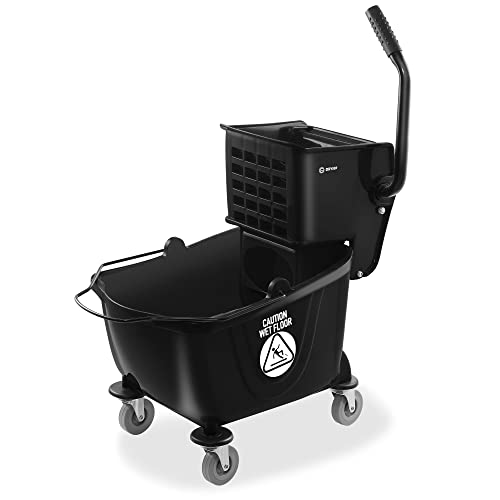
- roll-along mop bucket wringer with splash guard
- electric spin mop with microfiber refills


Before You Start
Assess the floor type and any existing sealants or finishes. Read label instructions on cleaning products to avoid residue that can cause stickiness. Work in small sections to prevent over-wetting. Plan for proper drying time to prevent damp, sticky spots. Wear gloves if you have sensitive skin or use harsh cleaners. Keep pets and children away from the work area until the floor is completely dry.
Step-By-Step: How To Remove Sticky Residue From Floors After Mopping
- Inspect the floor to identify the type (ceramic tile, sealed hardwood, laminate, etc.) and note any dull or sticky patches.
- Choose a cleaning method appropriate for the floor type, such as a steam mop for sealed surfaces or a microfiber mop for sensitive finishes.
- If residue is soap-based, use a clean water rinse with a damp mop to remove lingering soap films.
- For stubborn stickiness, apply a light solvent or degreasing cleaner recommended for your floor type, following label directions.
- Rinse again with clean water to remove any remaining cleaner residue.
- Dry the area immediately with a dry microfiber pad or a clean towel to prevent re-sticking.
- Re-mop with a minimal amount of water only, avoiding puddles that can attract dust and debris.
- Test a small hidden patch after drying to ensure no new residue forms.
- For large areas, break the task into zones to maintain consistent drying times and avoid tracking moisture.
- Maintain a regular cleaning routine using the same method to prevent future stickiness.
- Clean mop pads frequently to avoid transferring residue back onto the floor.
- Store cleaning tools in a dry area to prevent mold or musty smells.
Troubleshooting
| Symptom | Likely Cause | Fix | Prevention |
|---|---|---|---|
| Floor remains sticky after mopping | Soap buildup or residue from cleaners | Rinse with clean water, use minimal cleaner | Avoid mixing cleaners; rinse thoroughly |
| Streaks appear after drying | Dirty mop pads or hard water minerals | Wash pads; use distilled water if possible | Routinely launder pads; use filtered water |
| Sticky patches only in high-traffic areas | Wear of sealant or finish | Re-seal or refinish the affected areas | Follow manufacturer guidance on sealants |
| Floor feels tacky even after drying | Product incompatible with floor type | Switch to an appropriate cleaner for the floor | Test on a small area first |
Common Mistakes To Avoid
- Using too much cleaning product, which creates slippery residue
- Not rinsing thoroughly after applying cleaners
- Over-wetting wooden or composite floors, causing finish damage
- Ignoring dryer time and walking on the floor while damp
- Using abrasive pads or brushes that can scratch surfaces
Sticking to proper dilution guidelines and a consistent drying routine helps prevent repeated stickiness and maintains floor appearance.
Tips For Best Results
- Use a microfiber mop for efficient pickup of oils and residues with minimal water usage
- Prefer a steam mop for sealed ceramic tile or hardwood floors to remove stubborn grime
- Keep a separate, clearly labeled bottle of clean water for rinsing steps
- Switch to a spray mop for targeted spot cleaning to reduce overall moisture
- Regularly wash mop pads and replace worn pads to maintain effectiveness
Call A Professional
When stickiness persists despite multiple cleaning attempts, consider hiring a professional floor cleaning service. Stop signs include: persistent residue after multiple cleanings, recurring dull patches or haze, or suspected damage to sealants or finishes. A pro can assess whether re-sealing or specialized equipment is needed and can restore floor finish without causing harm.
FAQ
What causes sticky floors after mopping?
Common causes include soap buildup, residue from cleaners, and insufficient rinsing or drying. Hard water minerals can also contribute to tackiness on some surfaces.
Can a mop with washable pads fix stickiness?
Yes, a microfiber mop with washable pads is effective for removing residues and preventing new buildup when pads are clean and dry.
Is steam cleaning safe for all floors?
Steam cleaning is great for sealed ceramic tile or hardwood floors, but may not be suitable for unsealed woods or sensitive finishes. Always follow manufacturer guidelines.
How long should floors stay wet after cleaning?
Dry times vary by material, but most floors should be dry within 1–2 hours in typical indoor conditions. Ensure proper ventilation to speed drying.
Should I mix cleaners for tough stickiness?
Avoid mixing cleaners that can react or leave residue. Use a single appropriate product and rinse thoroughly between steps.
When should I call a professional?
If stickiness recurs after multiple cleanings or if there are signs of finish wear, moisture damage, or grout issues, seek professional assessment.
Buying Guide
Choosing cleaning tools for sticky floors involves balancing efficiency, floor compatibility, and maintenance effort. Consider size, noise level, energy efficiency, controls, and placement to ensure long-term satisfaction.
Key buying factors
- Size and coverage: Large pads or heads reduce time but require open space for maneuvering.
- Noise level: Quieter models improve comfort in open-plan homes and apartments.
- Energy efficiency: Electric steam mops and battery-powered units save energy during longer cleaning sessions.
- Controls: Simple spray and steam controls reduce user error and improve performance.
- Placement and storage: Consider whether the unit fits in your closet or utility area and how easy it is to access
- Maintenance: Washable microfiber pads and easy-to-clean components extend tool life
When evaluating options, think about your floor types, cleaning frequency, and whether you prefer scrubbing power or gentle care. For many households, a combination approach—an 18 inch microfiber mop for routine touch-ups, paired with a steam mop for deeper clean on sealed floors—provides reliable results. Can you imagine fewer sticky spots with a routine that emphasizes thorough rinsing and prompt drying?