Keeping a couch looking fresh involves choosing the right cleaning approach for fabric or leather surfaces. This guide covers practical, step-by-step methods and the best tools to use in a typical American home. Readers will learn how to tackle spills, stains, and general dirt without damaging finishes.
From fabric upholstery to leather seating, the goal is to remove grime while preserving color and texture. The methods here emphasize safety, efficiency, and the proper use of common cleaning products. The steps are designed for DIY enthusiasts who want solid results without professional equipment.
Quick Answer
Choose the cleaning method by material: use fabric-safe cleaners and a soft brush or cloth for fabric couches; use leather-specific cleaners, a stain remover pen, and conditioner for leather sofas. For tough spots, a steam cleaner can help, but avoid high heat on leather.
What You’ll Need
- leather sofa cleaning kit with stain remover and microfiber cloths
- upholstery cleaning brush set for fabric couches
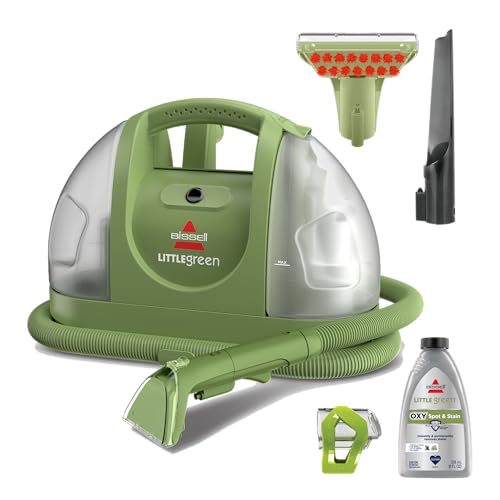
- steam cleaner for upholstery and couches
- leather sofa stain remover pen and conditioner kit
- microfiber cloths for cleaning leather couch and furniture


Before You Start
Inspect the furniture to identify fabric type (fabric or leather) and test any cleaner on a hidden area first. For leather, avoid ammonia-based cleaners that can dry the finish. Protect floors with a soft mat or towels and open windows for ventilation. Allow the couch to dry fully before sitting. Never saturate leather with water and always follow product instructions for fabric cleaners.
Step-By-Step: How To Clean A Couch
- Vacuum the surface and crevices to remove loose dust and crumbs, using a brush attachment.
- For fabric couches, apply a fabric-friendly cleaner with a light mist and work in small sections using the upholstery cleaning brush set for fabric couches.
- Gently scrub stains in a circular motion, focusing on beverage spills and food stains. Wipe away with a clean microfiber cloth.
- For leather surfaces, apply a leather-safe cleaner with a microfiber cloth, following the grain of the hide. Avoid saturating the area.
- Use a leather sofa stain remover pen on fresh leather stains if needed, then wipe with a clean cloth and let air-dry briefly.
- Apply a leather conditioner after cleaning to restore moisture and prevent cracking. Buff with a dry microfiber cloth.
- If stubborn stains persist on fabric, consider a second light cleaning pass with the upholstery brush set and a fabric-safe stain remover.
- For overall refresh, run a steam cleaner over fabric surfaces with minimal moisture and a low heat setting, keeping the nozzle moving to avoid damp spots.
- Dry thoroughly by circulating air or using a fan. Do not use hot air directly on leather or freshly cleaned fabric.
- Brush fabric fibers back into place with a soft brush and replace cushions to their normal positions.
- Inspect for missed spots and repeat targeted cleaning on those areas if necessary.
- Dispose of used cloths and store cleaners as directed by product labels.
Troubleshooting
| Symptom | Likely Cause | Fix | Prevention |
|---|---|---|---|
| Stains remain after cleaning | Stain set into fabric or leather | Repeat cleaning with appropriate product; for leather, use stain remover pen | Address spills quickly |
| Discoloration after cleaning | Over-wetting or harsh cleaners | Rinse with clean water or a mild cleaner; dry completely | Use fabric-safe products and test first |
| Leather feels sticky | Residue from cleaner | Wipe with a damp microfiber cloth then dry | Use minimal product on leather |
| Fabric fibers fray | Aggressive scrubbing | Switch to softer motions and shorter sessions | Avoid harsh brushes |
Common Mistakes To Avoid
- Using excessive water on leather; it can cause damage
- Not testing cleaners on a hidden area before full application
- Over-scrubbing fabric, which loosens fibers
- Ignoring manufacturer care labels or warranty guidelines
Tips For Best Results
- Always blot spills immediately with a clean cloth to prevent setting
- Work in a well-ventilated area to speed up drying
- Use color-safe products on fabric and leather-compatible products on leather
- Rotate cushions and air out the couch between sessions to maintain shape
Call A Professional
Consider a pro if the couch has extensive staining, strong odors, or delicate finishes. Seek help when leather shows deep cracks, finish wear, or color inconsistencies that DIY cleaning cannot resolve. If there are persistent mold or mildew signs, contact a professional.
FAQ
Can I use a steam cleaner on leather?
Steam can be risky for leather; use it only if the leather is specifically labeled as steam-safe and follow manufacturer guidance.
How often should I clean my couch?
Clean lightly every few weeks and perform a thorough cleaning every 3–6 months, depending on use and household pets.
What if I don’t have a leather conditioner?
Use a conditioner recommended by the leather cleaner brand, or seek a dedicated leather conditioner to avoid drying the material.
Are microfiber cloths necessary?
Microfiber cloths are highly effective for both drying and buffing surfaces without scratching.
Can I mix cleaning products?
Avoid mixing cleaners; follow label directions and use separate products for fabric and leather where appropriate.
Buying Guide
When choosing tools to maintain a couch, consider size, noise level, energy efficiency, controls, and placement in the room. For fabric couches, a versatile upholstery brush set and a steam cleaner with adjustable heat provide flexibility for deeper cleaning without soaking fabrics. For leather couches, prioritize a dedicated leather cleaning kit, a stain remover pen, and a conditioner to maintain suppleness and color. Storage and accessibility also matter; keep cleaners in a cool, dry place away from direct sunlight. Compare kit contents to ensure you have compatible products for both fabric and leather sections of the furniture.