Waterproof vinyl flooring offers durability in busy homes, but regular cleaning is essential to maintain its appearance and longevity. This guide provides practical, step-by-step methods using common household tools and the specific products listed in the keywords to help Americans keep vinyl floors looking like new.
Quick Answer
Best quick method: Use a microfiber mop or a steam mop on low heat when the floor is dry to the touch. Use a gentle floor cleaner or a neutral pH solution, then dry thoroughly with a microfiber pad. Avoid harsh chemicals and soaking the floor.
What You’ll Need
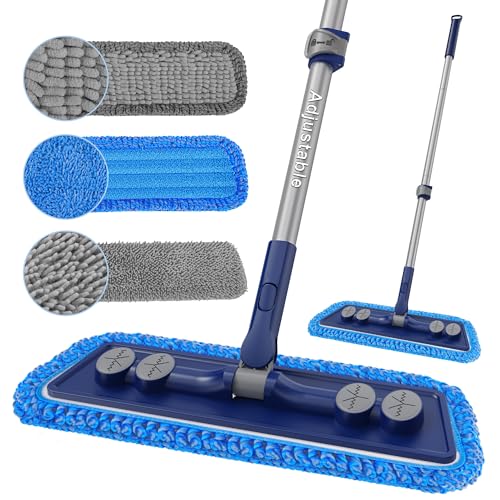
- Microfiber mop for vinyl flooring waterproof
- Steam mop for waterproof vinyl plank flooring
- Electric spin mop for vinyl flooring
- Vinyl floor cleaning kit with microfiber pads
- Floor scrub brush with curved handle for vinyl floors


Before You Start
Prep the area by removing loose debris with a dry broom or dust mop. Check for manufacturer recommendations on your specific vinyl product, especially regarding steam cleaning and moisture exposure. Use a neutral pH cleaner and avoid ammonia, bleach, or wax-based products that can dull the surface. Work in small sections to prevent standing water, and ensure the room is well-ventilated.
Time estimate: 20–40 minutes for a typical room, depending on larger space and the cleaning method chosen.
Step-By-Step: How To Clean Waterproof Vinyl Flooring
- Clear the area of furniture and rugs to create an unobstructed cleaning path.
- Dry sweep or vacuum the floor to remove loose dirt and grit that can cause scratching.
- Prepare a neutral pH cleaning solution following product guidelines, or use a vinyl-safe cleaner from the kit.
- For a microfiber mop, lightly dampen the pad with the cleaning solution; avoid soaking the pad to prevent water seeping into seams.
- Begin mopping along the grain of the vinyl, using steady, overlapping strokes to cover each area.
- If using a steam mop, select the lowest heat setting and glide slowly, keeping the nozzle a short distance from the floor to prevent moisture buildup.
- Rinse or wipe the floor with a clean, damp microfiber pad if the product label requires removal of residue.
- Allow the floor to air dry or use a dry microfiber pad to speed up drying.
- For stubborn spots, apply a small amount of cleaner directly to the scrub brush with curved handle for targeted scrubbing, then rinse and dry.
- Return furniture and mats after the floor is completely dry to avoid trapping moisture underneath.
- Dispose of dirty cleaning water promptly and store tools properly to prevent cross-contamination.
- Inspect periodically for grout lines or seams where moisture may accumulate, and re-clean as needed.
Troubleshooting
| Symptom | Likely Cause | Fix | Prevention |
|---|---|---|---|
| Streaks after cleaning | Residue from cleaner or hard water | Rinse with clean water and dry with a microfiber pad | Use distilled water or a rinse-free formula |
| Water pooling in seams | Excess moisture or immersion | Switch to a damp mop, remove standing water | Avoid soaking the floor; work in small areas |
| Scratches or dull finish | Brushing with a hard pad or abrasive brush | Switch to a soft microfiber pad and non-abrasive brush | Use gentle tools and follow manufacturer guidance |
| Discoloration after steam cleaning | Too much heat or prolonged exposure | Lower heat setting or avoid steam on certain vinyl types | Test on a small area first |
Common Mistakes
- Using harsh chemicals or abrasive pads that damage the surface
- Saturating the floor with water during cleaning
- Skipping thorough drying, which can lead to moisture buildup
- Ignoring manufacturer guidelines for steam cleaning
Tips For Best Results
- Regularly sweep or vacuum to prevent grit from grinding into the surface.
- Use a dedicated vinyl-safe cleaner and a microfiber pad to maintain the finish.
- For high-traffic areas, clean more frequently to minimize buildup.
- Test any cleaner in a small, inconspicuous area before full use.
Call A Professional
Contact a professional if the floor shows persistent damage, extensive staining, or if moisture appears to seep into seams despite cleaning. Seek help also if cleaning methods cause warping, discoloration, or if you’re unsure about using steam cleaners on your vinyl plank flooring.
FAQ
Can I use a steam mop on waterproof vinyl flooring?
Yes, but use the lowest heat setting and avoid prolonged exposure in one spot to prevent moisture damage.
What cleaning solution is best for vinyl floors?
Choose a neutral pH cleaner designed for vinyl floors to protect the finish and prevent residue buildup.
How often should I mop waterproof vinyl flooring?
Depends on traffic, but a light daily sweep and a deeper clean weekly or biweekly is effective for most homes.
Are vinegar or ammonia-based cleaners safe?
Avoid ammonia-based cleaners; they can dull the finish. If unsure, follow the manufacturer’s recommendations.
Should I wax or seal vinyl floors?
No, waterproof vinyl floors typically do not require waxing or sealing and may even be damaged by those products.
Is it safe to use a scrub brush on vinyl floors?
Use a soft-bristle brush or a floor scrub brush with curved handle only for stubborn spots, and avoid aggressive scrubbing.
Buying Guide
When selecting cleaning tools and accessories for waterproof vinyl flooring, consider factors like size, noise level, energy efficiency, controls, and placement. How do you balance convenience with floor care quality? Here are key buying factors to help you compare options:
Size and reach: Choose a mop or kit that suits your space. Larger heads cover more area, while compact designs work well for small rooms and tight corners.
Cleaning power and technique: A microfiber approach offers gentle yet effective cleaning. Steam mops can help with deeper sanitizing in dry areas, but verify compatibility with your floor type.
Materials and pads: Look for microfiber pads designed for vinyl. Consider a floor cleaning kit with replaceable pads to keep performance high without cross-contamination between jobs.
Controls and convenience: Preferences vary between corded and cordless mop options, and models with easy-fill tanks or simple wand controls tend to fit busy households.
Noise and maintenance: Quiet operation is beneficial for open living spaces. Check for dishwasher-safe pads and easy-to-clean components to simplify maintenance.
Placement and storage: Ensure your cleaning tools store neatly in a dedicated closet or corner, with pads and brushes organized for quick access.
By evaluating these factors, homeowners can select tools that fit their cleaning routine and the specific demands of waterproof vinyl flooring, ensuring long-lasting results without damaging the surface. If unsure, start with a versatile vinyl floor cleaning kit and add a steam option only after confirming compatibility with your flooring.