Transmission fluid leaks or spills on concrete can be stubborn, leaving dark stains and lingering odors. This practical guide covers proven steps to lift fresh and old stains effectively, using common cleaning products and homeowner-friendly methods. The goal is to restore a cleaner, safer surface while minimizing residue and repeat staining.
Quick Answer
Act quickly on fresh spills by blotting excess fluid, applying an absorbent product, and rinsing with hot water combined with a degreaser. For set-in stains, use a concrete degreaser, followed by a pressure wash and a stain remover designed for concrete. Repeat as needed and seal the area after cleaning for future protection.
What You’ll Need
- Oil spill absorbent pads for concrete
- Transmission fluid stain remover for concrete
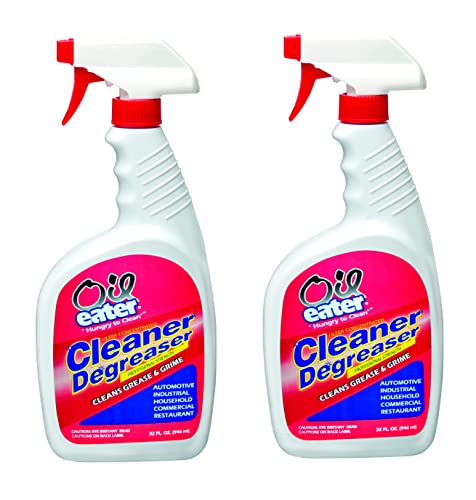
- Concrete degreaser spray for oil spills
- Pressure washer detergent for oil stain removal
- Oil absorbent granules for concrete cleanup


Before You Start
Before tackling the stain, ensure the area is well-ventilated and free of foot traffic. Test any cleaner on a small, inconspicuous patch of concrete to avoid discoloration. Work from the outer edge of the stain toward the center to prevent spreading. If you’re cleaning near a drainage area, place protective barriers to prevent runoff. Expect multiple applications for older stains, and allocate 1–2 hours for the primary cleaning, with additional time for drying.
Cautions: Wear gloves and eye protection when handling degreasers and solvents. Avoid mixing cleaners unless the product instructions explicitly allow it. Never use hot solvents in enclosed spaces; follow manufacturer guidelines for safe use.
Step-By-Step: How To Clean Transmission Fluid Off Concrete
- Contain the spill by surrounding it with absorbent pads or granules to prevent spreading.
- Blot up as much liquid as possible with disposable towels or inert absorbent material; don’t scrub yet to avoid pushing fluid deeper into the surface.
- Spray a concrete degreaser on the affected area and let it dwell for the time specified by the product instructions.
- Scrub with a stiff-bristle brush to lift the grease stains, then rinse with a pressure washer using hot water. Use a lower pressure on delicate concrete to avoid damage.
- Apply transmission fluid stain remover for concrete to target remaining residue, following the product’s application guidelines.
- Rinse thoroughly and repeat the degreasing and washing steps as needed until the surface appears clean.
- For stubborn stains, apply oil absorbent granules, allow them to absorb moisture overnight if feasible, then sweep up and rinse again.
- Finish with a final wash using pressure washer detergent for oil stain removal to remove any lingering residues.
- Allow the area to dry completely; consider sealing the concrete to reduce future staining and ease maintenance.
Troubleshooting
| Symptom | Likely Cause | Fix | Prevention |
|---|---|---|---|
| Stain remains after cleaning | Deep-set or aged stain | Reapply degreaser and stain remover; repeat each step | Address leaks promptly; seal surfaces |
| Bleaching or discoloration | Harsh chemical interaction | Rinse immediately and test cleaners first | Use products compatible with concrete |
| Surface feels slippery after washing | Residual oil or soap buildup | Rinse with more water and use textured brooms | Dry the area thoroughly |
| Soap scum or suds persist | Inadequate rinsing | Increase rinse cycles and water pressure | Follow product dilution guidelines |
Common Mistakes To Avoid
- Waiting too long to treat a spill, which makes stains harder to remove
- Using generic cleaners that aren’t designed for concrete or oil stains
- Over-wetting the surface, which can spread the spill or cause cracking in some concrete types
- Scrubbing aggressively with metal tools that can scratch the concrete
Tips For Best Results
- Work in shade or cooler conditions to prevent rapid evaporation of cleaners
- Apply absorbent products in generous amounts for faster uptake
- Always follow product label directions for dwell times and dilution ratios
- Test cleaners on a small area first to avoid color changes
- Seal the concrete after cleaning to slow future staining and simplify maintenance
Call A Professional
Severe or extensive staining, especially on decorative or porous concrete, may require professional cleaning. Seek parts or full service if you notice persistent odors, deep-set stains that resist at-home methods, or if the area is linked to a leaking vehicle or equipment. When unsure about product interactions with your concrete type, contact a local cleaning specialist for guidance.
FAQ
Is it safe to use household degreasers on concrete?
Many household degreasers are safe when labeled for concrete and used as directed. Always test first and avoid products that can etch or discolor the surface.
How long should transmission fluid stains sit before cleaning?
Act as soon as possible; fresh spills are easier to remove. If staining has dried, multiple cleaning passes may be required.
Can I seal concrete after cleaning?
Yes. Sealing helps repel future stains and makes routine cleaning easier. Allow the surface to dry completely before applying a sealer, following the product’s instructions.
What maintenance helps prevent future stains?
Regularly inspect for leaks, promptly address spills, and reseal concrete every few years or per manufacturer recommendations.
Buying Guide
Choosing the right products for cleaning transmission fluid off concrete depends on stain severity, surface type, and maintenance preferences. Consider the following factors to select effective cleaners and accessories:
- Stain type and age: Fresh leaks respond to absorbents and degreasers; older stains may need a dedicated stain remover.
- Surface texture: Rough or pitted concrete holds stains more than smooth, sealed surfaces. Porous mixes benefit from stronger degreasers and longer dwell times.
- Heat and environment: Hot climates or direct sun speed up drying, which can hinder dwell times. Work in cooler parts of the day if possible.
- Noise and water use: Pressure washers provide strong cleaning but can chip or abrade surfaces if used aggressively. Balance pressure with surface softness.
- Sealing options: Seals reduce future staining and simplify maintenance but require proper curing and compatible products.
- Safety and disposal: Use gloves and eye protection; dispose of absorbed fluids and used pads per local guidelines.
- Cost and availability: Choose a combination of absorbents, degreasers, and stain removers that fit budget while covering all stages of cleaning.
With the right combination of pads, removers, and detergents, most transmission fluid stains on concrete can be effectively managed. Would you like a product-ready checklist tailored to your stain size and surface type?