Cleaning a glass-ceramic stove top without leaving scratches requires selecting gentle cleaners, proper tools, and a careful technique. This guide walks American homeowners through a safe, effective routine to restore shine while protecting the surface.
Quick Answer
Use non-abrasive cleaners and soft cloths to lift stains without scratching, work in small circles, and finish with a dedicated stovetop polish to maintain the surface’s gloss.
What You’ll Need
Preparing the right tools ensures a scratch-free clean. Gather these items before you begin.
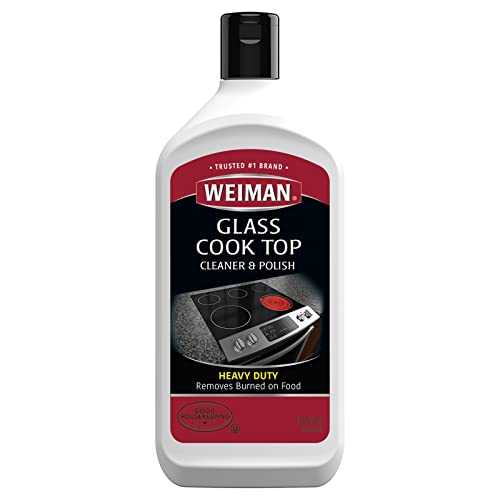
- Glass-ceramic cooktop cleaner non-abrasive cream 10oz
- Non-abrasive scrub pad for ceramic cooktop cleaning
- Microfiber cloth for glass stove top 12×12 inches non-scratch
- Ceramic cooktop cleaning kit with non-abrasive sponge and microfiber cloth
- Stovetop polish for glass/ceramic surfaces non-scratch


Before You Start
Prepare your workspace and understand limitations. Clear the stove area and ensure the surface is cool before cleaning. Read labels on all products to confirm they are safe for glass-ceramic surfaces. For best results, do not use abrasive sponges, metal pads, or harsh ammonia-based cleaners on the surface. If you smoke up the stove with sugary spills, tackle them promptly to avoid permanent marks.
Safety note: Always unplug nearby appliances if you’re cleaning around electrical components, and wear protective gloves if you have sensitive skin. Expect a 10–20 minute cleaning session for a complete wipe-down and polish.
Step-By-Step: How To Clean A Glass-Ceramic Stove Top
- Allow the stovetop to cool completely, then remove any loose debris with a dry microfiber cloth.
- Apply a small amount of glass-ceramic cooktop cleaner non-abrasive cream to a damp non-abrasive scrub pad or directly to the surface in a circular motion.
- Gently scrub the surface in small, overlapping circles to lift burnt-on residues without scratching.
- Wipe away the cleaner with a clean microfiber cloth, using a light touch and firm pressure to lift all residues.
- For stubborn stains, reapply the cleaner and let it sit for a minute before reworking with the non-abrasive scrub pad.
- Rinse the area with a damp cloth to remove any cleaner residue, then dry with a fresh microfiber cloth.
- Finish with stovetop polish for glass/ceramic surfaces non-scratch to seal the surface and enhance shine.
- Polish the edges and any control panels with a separate microfiber cloth to avoid transfer of cleaner onto sensitive areas.
- Inspect for streaks or remaining marks. Repeat targeted steps on any persistent spots if needed.
- Return pots and pans, then wipe away any fingerprints or smudges from the surrounding area for a clean look.
- Store cleaners and tools in a cool, dry place away from heat sources.
Troubleshooting
| Symptom | Likely Cause | Fix | Prevention |
|---|---|---|---|
| Cloudy or streaky surface | Residue left from cleaner | Wipe with a fresh microfiber cloth dampened with water, then dry | Wipe after each use with a microfiber cloth |
| Scratches appear after cleaning | Use of abrasive pads or harsh cleaners | Switch to non-abrasive cream and soft cloth | Never use metal scrubbers |
| Stubborn burnt-on residue | Overheating or sugary spills | Apply cleaner, let sit, then scrub gently | Clean spills promptly |
| Streaks around edges | Dirty cloth or insufficient rinse | Rinse thoroughly and dry with a clean cloth | Use separate cloths for rinse and dry |
| Cleaner residue on controls | Contact with non-scrub products | Wipe controls with a damp cloth and dry | Avoid applying cleaner near control panels |
Common Mistakes
- Using abrasive pads or steel wool on the surface
- Over-wetting the area and letting cleaner pool nearby controls
- Choosing ammonia-heavy cleaners that may dull the shine over time
- Not drying the surface after cleaning, which can attract more dust
By avoiding these pitfalls, homeowners can maintain a glossy finish and extend the life of their glass-ceramic stovetop.
Tips For Best Results
- Always clean when the surface is cool to prevent thermal shock and warping.
- Apply cleaners in a small area at a time to monitor for any adverse reactions.
- Use a dedicated microfiber cloth for the final polish to minimize lint and streaks.
- Keep a regular cleaning schedule to prevent buildup, which requires less aggressive scrubbing.
- Test any new cleaner on a small, inconspicuous area first.
Call A Professional
Consider professional help if the surface shows deep cracks, discoloration, or if stubborn residues persist after multiple cleaning attempts. Do not attempt structural repairs yourself, and avoid using products that may void warranty coverage. If the stovetop makes unusual noises when powered or shows signs of electrical damage near the surface, stop using it and contact a licensed technician.
FAQ
Is it safe to use vinegar on a glass-ceramic stove top?
Vinegar can be used in small amounts for mild cleaning, but it’s best to rely on a non-abrasive ceramic cleaner for tough stains and glossy finish preservation.
Can I use paper towels to clean the surface?
Paper towels can scratch if they are rough; prefer soft microfiber cloths designed for glass-ceramic surfaces.
How often should I polish the surface?
Polishing once a week or after a thorough cleaning helps maintain shine and repels residues.
What should I do about white spots or hazing?
White haze typically results from mineral deposits; re-clean with a dedicated non-abrasive cleaner and microfiber cloth, then dry completely.
Buying Guide
When choosing products to clean a glass-ceramic stove top, consider size, formulation, and ease of use. A dedicated glass-ceramic cleaner non-abrasive cream paired with a non-abrasive scrub pad and a microfiber cloth typically delivers optimal results. Look for a ceramic cooktop cleaning kit that bundles a non-abrasive sponge and microfiber cloth for convenient replacements.
Other factors include the noise level and the energy efficiency of your cleaning routine, which mainly depend on the products you choose rather than the appliance itself. Consider a stovetop polish that offers a lasting shine without leaving residues. For placement, ensure you have a clean, dry surface away from heat sources and a stable workspace to minimize spills.
Bottom line: select a simple, non-abrasive kit and stick to soft cloths and circular motions. If you compare options, prioritize products clearly labeled for glass-ceramic surfaces and avoid any aggressive abrasives. Which combination of cleaner, pad, and cloth will you try first to protect your stove’s gleam?