Keeping a Teflon-coated grill grate clean helps protect the non-stick surface and ensures even cooking. This guide covers safe cleaning methods, recommended tools, and practical steps to avoid scratching or damaging the coating.
Quick Answer
Use a non-abrasive approach with gentle tools. Rinse the grate, apply a Teflon-safe grill cleaner spray, let it sit, then scrub with a nylon or soft-bristle brush. Rinse again and dry before reassembling. Avoid metal brushes, harsh chemicals, and abrasive scrapers on non-stick surfaces.
What You’ll Need
- Non-abrasive nylon grill brush for non-stick grates
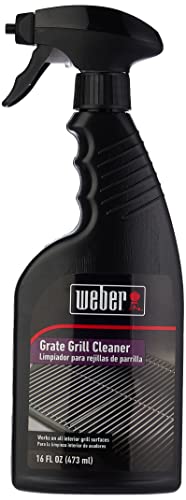
- Teflon-safe grill cleaner spray 16 oz non-stick coating
- Nylon bristle grill brush for non-stick grills
- Barbecue grill degreaser spray non-stick safe
- Non-stick grill grate scraper plastic scraper for teflon


Before You Start
Ensure the grill is completely off and cool before cleaning. Disconnect the propane tank or unplug electric grills. Work in a well-ventilated area to avoid fumes. Wear gloves to protect hands from cleaners and heat. Avoid steel brushes or metal scrapers that can gouge the non-stick coating. Allow the grill to cool fully after any hot cooking sessions to prevent burns or warping.
Step-By-Step: How To Clean A Teflon Grill Grate
- Remove the grate from the grill and shake off loose debris.
- Rinse with warm water to loosen stuck-on residue.
- Apply a Teflon-safe grill cleaner spray evenly over the grate and let it sit for 2–5 minutes.
- Gently scrub with a non-abrasive nylon grill brush for non-stick grates or a nylon bristle grill brush for non-stick grills.
- Wipe away residue with a damp cloth or sponge; repeat if needed.
- Rinse thoroughly with warm water to remove cleaner trace and loosened grease.
- Dry completely with a cloth and reassemble on the grill.
- Season lightly if your grill model recommends it before first use after cleaning.
- Test by cooking a small amount of oil to ensure the surface remains non-stick.
- Store tools and cleaners in a cool, dry place for next use.
Troubleshooting
| Symptom | Likely Cause | Fix | Prevention |
|---|---|---|---|
| Stubborn residue remains | Cleaner didn’t sit long enough | Reapply cleaner, wait 3–5 minutes, scrub gently | Regular cleaning after use |
| Scratches appear on coating | Use of metal tools | Switch to non-abrasive nylon tools | Follow manufacturer guidelines |
| Grill surface feels sticky after clean | Residue left behind | Rinse thoroughly and wipe dry | Rinse immediately after cleaning next time |
| Cleaner foams excessively | Over-application | Apply light mist; wipe and rinse | Use minimal product per area |
Common Mistakes
- Using metal brushes on non-stick grates
- Letting cleaners sit too long and not rinsing well
- Using high heat after cleaning without proper seasoning
- Neglecting to dry the grate completely before cooking
These missteps can damage the coating or reduce its effectiveness. Consistency with gentle tools and proper rinsing is key.
Tips For Best Results
- Clean after every few uses to prevent heavy build-up from forming.
- Keep a dedicated non-stick grill grate scraper plastic scraper for teflon handy for light scraping, never use metal parts.
- Test cleaning products on a small area if you’re unsure about compatibility.
- Routinely inspect the grate for signs of wear or flaking coating and replace as needed.
Call A Professional
Contact a professional if you notice deep pitting, coating flaking, or persistent peeling after cleaning. Seek help if grill performance declines or if any chemical exposure concerns arise, especially for grills used for commercial purposes or high-frequency cooking.
FAQ
Can I use dish soap to clean a Teflon grill grate?
Yes, mild dish soap with warm water can help remove grease, but use a non-abrasive brush and rinse well.
Is it safe to use a steel wire brush on non-stick grates?
No. Steel brushes can scratch and damage the coating; use non-abrasive nylon brushes instead.
How often should I clean a Teflon grill grate?
Clean after every 2–3 uses or whenever grease and residue begin to build up.
What should I do if the coating looks worn?
Cease using the grill and consider professional assessment or grate replacement to avoid food sticking or coating ingestion.
Are degreaser sprays safe for non-stick grates?
Choose degreasers labeled safe for non-stick coatings and follow product directions carefully.
Can I use an oven cleaner on a Teflon grate?
Avoid harsh oven cleaners; they may degrade the coating. Use products designed for non-stick grill surfaces instead.
Buying Guide
Choosing the right cleaning setup for a Teflon grill involves several factors. Consider size and compatibility with your grill model to ensure brushes and scrapers reach every area. Noise level is less critical for cleaning gear, but ergonomics matter for comfort during longer scrubs. Energy efficiency isn’t a direct concern for cleaning tools, but choosing reusable, durable products saves money over time. Look for a non-abrasive nylon grill brush for non-stick grates and a teflon-safe grill cleaner spray 16 oz non-stick coating for safe, effective cleaning. Ensure handles are comfortable and tools are clearly labeled as safe for non-stick surfaces. Placement in your cabinet or drawer should keep them accessible but protected from heat and moisture. Compare multi-pack options to keep backups ready, and verify that the plastic scraper is non-stick safe and suitable for teflon surfaces. If you regularly grill indoors or in small spaces, a compact cleaning kit may be preferable. Finally, check product warranties and user reviews to gauge long-term performance and compatibility with your grill type.