Iron in pool water can cause yellow to brown staining, cloudy water, and rust-colored debris. Correcting iron levels requires a combination of testing, treating, and ongoing maintenance. This guide explains practical steps American pool owners can take to remove iron effectively and keep water sparkling clean.
Quick Answer
To remove iron from pool water, start with a thorough test to determine iron levels, then use a metal sequestrant or an iron filter designed for pools. Run a pool iron remover kit and follow up with a chemical feeder iron control if your system supports it. Regular brushing and filtration, plus periodic shocking, help prevent re-deposit. For heavy iron stains, use a stain remover iron rust sequester and repeat treatment as needed.
What You’ll Need
- pool iron remover kit
- metal sequestrant for swimming pool
- iron filter for above ground pool
- pool chemical feeder iron control
- pool stain remover iron rust sequester
 |
CCH Endurance Commercial Pool Chemical Feeder 73100 | |
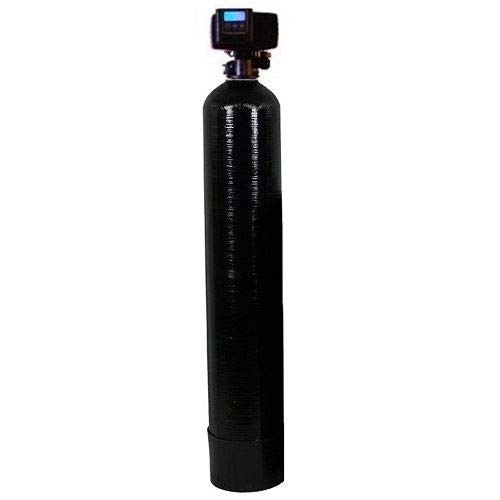 |
Durawater Air Injection Iron Eater Filter. Removes Iron, Manganese, H2S. Black Series | |
 |
Purity Pool OS Out Spot Stain Remover |
Before You Start
Before tackling iron in a pool, confirm the pool type (in-ground vs above-ground) and ensure the system allows metal treatment. Wear gloves and eye protection when handling chemicals. Test water chemistry: pH, alkalinity, calcium hardness, and chlorine levels should be within recommended ranges before applying iron-specific treatments. Time estimates vary by method, typically from a few hours to a full day, plus follow-up treatment. Never mix metal sequestrants with calcium hardness boosters without checking the product directions.
Step-By-Step: How To Remove Iron From Pool Water
- Test iron levels with a reliable test kit or via a pool store analysis to establish a baseline.
- Adjust pH to the optimal range (usually 7.2–7.6) to maximize chemical effectiveness.
- Apply the chosen metal sequestrant or iron filter according to label directions, ensuring even coverage.
- Run the pool pump continuously for 24 hours after treatment to maximize contact and filtration.
- For heavy iron, install or use a pool iron remover kit or iron filter and monitor flow rates.
- Brush all pool surfaces to dislodge iron deposits for easier capture by the filter.
- Clean or backwash the filtration system as recommended to maintain flow and remove captured metals.
- Test water again after treatment and adjust chlorine or other sanitizers as needed.
- Repeat treatment if iron levels remain elevated or if staining persists.
- Use a pool stain remover iron rust sequester for preemptive stain control, if staining is noticed.
- Establish a routine maintenance plan: monthly tests, quarterly sequestrant or filter checks, and seasonal adjustments.
- Seasonal shutdown or cover considerations: remove residual iron before long-term storage to prevent redeposition.
Troubleshooting
| Symptom | Likely Cause | Fix | Prevention |
|---|---|---|---|
| Persistent yellow/brown staining | Iron not fully removed; high iron levels | Repeat sequestrant treatment or use iron filter | Regular monitoring; address source water iron |
| Cloudy water after treatment | Incorrect pH or alkalinity; filtration overwhelmed | Recheck chemistry; boost filtration; backwash | Maintain balanced water chemistry |
| Metal streaks on pool walls | Residual iron deposits | Brush walls; treat with stain remover sequester | Consistent brushing during season |
| Filter loading quickly | High iron load or oversized metals | Install or upgrade iron filter; backwash more often | Use source water iron reduction if possible |
Common Mistakes
- Overlooking source water iron; treating only after staining appears
- Using multiple metal treatments without checking compatibility
- Starting treatments with improper pH or alkalinity
- Neglecting filter maintenance after applying cleaners or sequestrants
- Ignoring safety instructions or skipping protective gear
Tips For Best Results
- Test iron levels at least monthly during peak swimming season.
- Follow product directions precisely; some packages require reducing chlorine before use.
- Brushing and skimming help distribute treatment and remove loose iron.
- Consider a dedicated iron removal system if your source water is consistently high in iron.
- Coordinate timing to avoid heavy iron release during rain or filtration downtime.
Call A Professional
Seek professional help if iron levels remain high after repeated treatments, if staining persists despite multiple applications, or if you suspect a compromised pool structure allowing iron ingress. Signs you should contact a pro include persistent water color changes, unusual odors, or equipment malfunction linked to metal buildup.
FAQ
How do I know if my iron level is high?
Most pool tests show iron separately or as part of metal content. A reading above the recommended range indicates elevated iron and the need for treatment.
Can I use chlorine while treating iron?
Yes, but follow product labels; some iron treatments require adjusting sanitizer levels to avoid reduced effectiveness.
Will metal sequestrants prevent staining?
Sequestrants inhibit iron from bonding with surfaces, helping prevent stains when paired with proper cleaning.
How often should I test for iron?
Test monthly during active swim seasons; test after heavy rainfall or source water changes.
Buying Guide
Key factors influence choosing the right iron-removal approach for a pool. Consider the pool type, iron load, and maintenance routine to select compatible products and equipment.
Size and capacity: For above-ground pools, an iron filter designed for smaller volumes may suffice, while larger in-ground pools may require a full filtration upgrade or larger sequestrant quantities.
Nature of iron: Domestic well water or city water with high iron can differ in concentration; identify whether iron is ferrous, ferric, or particulate to pick the correct treatment.
Noise level and energy use: Filtration-based iron removal systems vary in motor noise and energy consumption. Look for energy-efficient pumps and quiet operation.
Controls and automation: Pool chemical feeder iron control options simplify dosing. Consider automatic feeders or inline controllers for consistent treatment.
Placement and installation: Some systems mount inline with the circulation loop, others sit as standalone units. Ensure accessibility for maintenance and backwashing.
Maintenance needs: Regular backwashing, brushing, and periodic cartridge or media replacement affect long-term results. Check warranty and replacement costs.
Shopping smart means matching the iron-removal strategy to pool size, water source, and maintenance capability. If unsure, consult a pool technician to tailor a plan that prevents staining and keeps water sparkling.