White vinegar is a simple, inexpensive solution for removing soap scum, mineral buildup, and musty odors from modern washing machines. This guide walks American readers through a safe, effective routine that works for front-load and top-load machines alike, using common household supplies and a few specialty cleaning tools.
Regular maintenance helps extend the life of the appliance and keeps fabrics smelling fresh. The steps below emphasize a practical approach that fits typical busy schedules while delivering thorough sanitation.
Quick Answer
Use plain white vinegar (3–4 cups for typical loads) along with hot water to cleanse the drum and seals. Run a full wash cycle on the hottest setting, then wipe surfaces dry with a microfiber cloth. Repeat every 1–3 months to prevent buildup and odor.
What You’ll Need
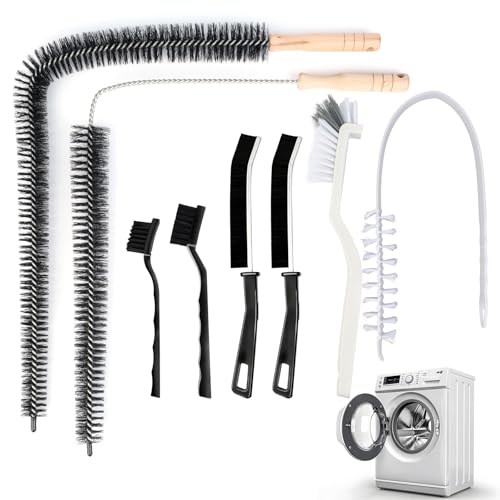
- Washing machine drum cleaning brush silicone bristles
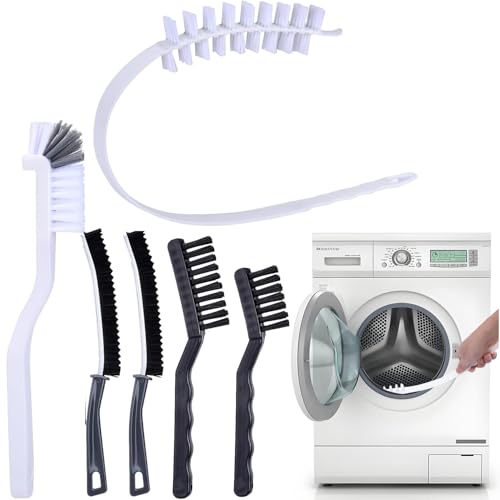
- Washing machine gasket cleaning brush
- Appliance cleaning microfiber cloths set for washing machine
- Reusable spray bottle for vinegar and water cleaning
- Long reach silicone scrub brush for appliances
- White vinegar (plain, household grade)
- Hot water

Before You Start
Review these prerequisites to ensure safe and effective cleaning. Disconnect power if you’re cleaning near exposed electrical components. Check that the drum is not overfilled, and select a cycle that allows for thorough rinsing. For front-load machines, be mindful of the door seal and gasket areas to avoid damage or moisture intrusion. The typical time estimate for a full cleaning session is 45–90 minutes, depending on machine type and one’s thoroughness.
Step-By-Step: How To Clean Your Washing Machine With White Vinegar
- Remove and inspect the detergent dispenser. If needed, detach and rinse with warm soapy water. Use the long reach silicone scrub brush for tight crevices to dislodge soap buildup.
- Apply vinegar to the drum. In the reusable spray bottle, mix equal parts white vinegar and hot water. Lightly mist the interior of the drum, then let sit for 5–10 minutes to loosen residue.
- Clean the drum thoroughly. Use the washing machine drum cleaning brush silicone bristles to scrub the drum walls, paying attention to any dark spots or mineral deposits.
- Address the door seal and gasket. Gently lift the rubber boot and inspect for foreign objects, mold, or buildup. Use the gasket cleaning brush to scrub the folds, then wipe with a microfiber cloth dampened with vinegar solution.
- Run a cleaning cycle with vinegar. Add 3–4 cups of white vinegar to the detergent compartment or directly into the drum. Run a hot, empty cycle to flush deposits and kill odors.
- Rinse the machine. After the vinegar cycle completes, run an additional hot water cycle with nothing in the drum to remove any remaining vinegar and residues.
- Wipe all surfaces dry. Use appliance cleaning microfiber cloths set for washing machine to dry the drum, door, and exterior. Pay special attention to the control panel to prevent moisture intrusion.
- Clean internal hoses and exterior. If accessible, wipe the exterior with a vinegar-dampened cloth and use the long reach silicone scrub brush for any stubborn grime near hinges or vents.
- Run a scented rinse (optional). If a mild scent is preferred, add a short rinse with a small amount of detergent or a vinegar-water spray lightly applied to outer surfaces.
- Repeat periodically. For households with hard water or frequent heavy loads, repeat every 1–3 months to maintain freshness and performance.
Troubleshooting
| Symptom | Likely Cause | Fix | Prevention |
|---|---|---|---|
| Musty odor persists after cleaning | Soap scum or mold in gasket | Repeat vinegar cycle and clean gasket with brush | Use fragrance-free products; run monthly quick cleans |
| Water drains slowly | Partial clog in filter or hose | Check and clear lint filter; inspect hoses | Regularly inspect hoses for kinks or buildup |
| Excess suds during cycle | Residual detergent buildup | Run a hot rinse without soap | Use correct detergent amount and high-efficiency detergent if applicable |
| Unusual noises | Foreign objects in drum or pump | Inspect drum and pump area; remove objects | Keep lint and small items out of pockets |
Common Mistakes
- Using hot water with vinegar too aggressively can speed up wear on seals; follow recommended cycle settings.
- Pouring vinegar directly onto electrical components can be hazardous; always use the drum or detergent reservoir as directed.
- Overloading the washer during maintenance cycles can prevent proper cleaning; use empty or light-load settings for best results.
Tips For Best Results
- Choose a time when you can run an empty hot cycle uninterrupted to maximize deodorizing effects.
- Keep the reusable spray bottle labeled and ready for quick maintenance sprays between deep cleans.
- Combine cleaning sessions with gasket checks to prevent mold growth in hard-to-reach areas.
- Store microfiber cloths near the washer for convenient wiping after each cycle.
Call A Professional
Consider a professional if you notice persistent odors after multiple cleanings, visible mold that returns quickly, or any electrical concerns such as outlet exposure or inner panel dampness. Stop and seek help if you experience unusual noises, leaks, or error codes that you cannot troubleshoot safely.
FAQ
Can I use distilled white vinegar to clean my washing machine?
Yes. Distilled white vinegar is effective for dissolving mineral buildup and odors without leaving residues.
How often should I clean my washing machine with vinegar?
Most households benefit from a deep vinegar clean every 1–3 months, depending on usage and water hardness.
Is vinegar safe for all washer materials?
Vinegar is generally safe for standard drum and gasket materials, but always consult manufacturer guidelines for sensitive models.
What about using baking soda with vinegar?
Combine cautiously; baking soda and vinegar create fizz that may help with odor, but excessive amounts can cause suds and residue.
Will vinegar leave a odor in clothes?
When followed by a thorough rinse cycle, vinegar odor typically dissipates and leaves fabrics fresh and odor-free.
Should I run a cleaning cycle with detergent after using vinegar?
Yes, a brief rinse with detergent or a short hot wash helps remove any vinegar remnants and keeps clothes clean.
Is a commercial washer cleaner necessary?
For some machines, routine professional-grade cleaners can supplement vinegar cleaning, but they are not required for most homes.
Buying Guide
When selecting tools and supplies for cleaning a washing machine with vinegar, consider the following factors to optimize performance and value.
- <bSize and compatibility: Ensure brushes and sponges fit your drum design (front-load vs top-load) and seal areas.
- <bNoise level: Manual brushes are quiet; powered devices may introduce more noise during use.
- <bEnergy efficiency: Regular cleaning reduces energy waste by maintaining efficient water flow and drum rotation.
- <bControls and usability: Reusable spray bottles with clear labeling help maintain consistent cleaning solutions.
- <bPlacement and storage: Keep cleaning tools near the washer for quick maintenance; store vinegar in a cool, dry area away from direct sunlight.
- <bDurability and materials: Choose silicone bristles and sturdy microfiber cloths that resist wear after repeated use.
- <bMaintenance frequency: Align cleaning cadence with water hardness and laundry volume to maximize results.
- <bSafety considerations: Always unplug the machine when performing deep disassembly or seal inspections; avoid contact with electrical components.