Blood stains can be challenging, but with the right approach and common household products, most fabrics and surfaces recover nicely. This guide covers practical steps, safe product use, and tips to prevent staining from becoming permanent. Readers will learn how to tackle fresh spills and set-in stains on fabrics, upholstery, and carpets using basic tools and time-tested cleaners.
Quick Answer
Start cold for fresh stains to prevent set-in color. Blot, don’t rub, to lift moisture. Use an enzyme-based cleaner or oxygen bleach on appropriate fabrics, then rinse and air-dry. For delicate surfaces, test a hidden area first. If stains persist, repeat steps or consult a professional.
What You’ll Need
- enzyme cleaner spray blood stain remover 24 oz
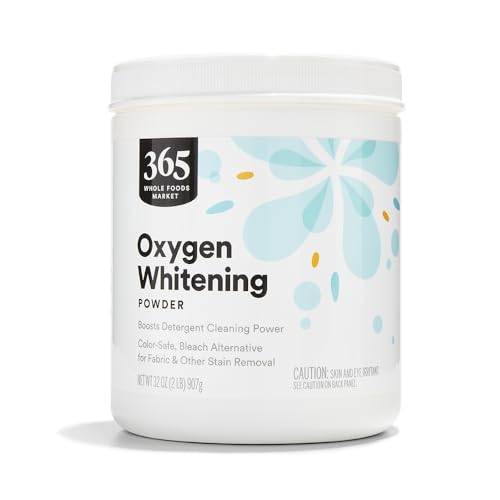
- oxygen bleach powder for blood stains 2 lb
- microfiber cleaning cloths set for stain removal
- stain removal brush for upholstery blood stain
- fabric stain remover gel for blood stains


Before You Start
Assess the surface and stain type. Never apply hot water to fresh blood, as heat can set proteins and make stains harder to remove. Work in a well-ventilated area to avoid lingering odors. Perform a spot test on inconspicuous fabric or carpet—wait 5–10 minutes to ensure no color transfer or damage. Plan for 15–45 minutes of hands-on time, plus drying time. Have protective gloves ready if you’re cleaning upholstery or carpets that use dye.
Step-By-Step: How To Clean Blood Stains
- Contain the spill and blot gently with a dry microfiber cloth to remove excess moisture without rubbing.
- Rinse the fabric with cold water from the back side of the stain to push it out of the fibers.
- Apply an enzyme cleaner spray designed for blood stains and let it sit for 5–10 minutes to break down proteins.
- Gently blot with a clean microfiber cloth, repeating as needed until the stain lightens.
- For fabrics that tolerate oxygen bleach, prepare a solution per product directions and apply to the stain; let sit briefly.
- Scrub with a stain removal brush for upholstery if the stain is on a soft surface; avoid hard scrubbing that can damage fibers.
- Rinse thoroughly with cold water or use a damp cloth to remove cleaner residue.
- If the stain persists, apply a fabric stain remover gel and work from the outside in, then blot.
- Allow to air-dry completely; check a once-dry area to ensure the stain is gone before placing item back in use.
- For carpets, repeat steps 3–6 and consider a second treatment if the stain remains.
- When fully dry, vacuum or fluff the fabric to restore texture and appearance.
Troubleshooting
| Symptom | Likely Cause | Fix | Prevention |
|---|---|---|---|
| Stain darkens after drying | Heat exposure or inadequate removal | Reapply cleaner and allow proper soaking time; avoid heat for drying | Pre-treat promptly; use cold water on fresh stains |
| Rubbing spreads stain | Friction moves pigment deeper | Blot gently; work from the edge toward center | Blot rather than rub; use blotting motions |
| Stain remains on upholstery | Fibers hold dye or set-in stain | Try enzyme cleaner first, then oxygen bleach if safe for fabric | Test fabric; use appropriate cleaners for upholstery |
| Bleaching agents discolor fabric | Incompatible fabric | discontinue use; switch to a gentler cleaner or solvent | Test spot; read label for fabric compatibility |
| Smell persists | Organic material left behind | Repeat cleaning; ensure full drying with air circulation | Clean promptly; use deodorizing agents only on compatible fabrics |
Common Mistakes
- Using hot water on fresh blood stains
- Rubbing aggressively, which embeds stain fibers
- Applying cleaners not suited to fabric type
- Skipping a spot test before full application
- Waiting too long to treat stains on porous surfaces
Tips For Best Results
- Act quickly: the sooner you treat a blood stain, the better the outcome.
- Always test cleaners on a hidden area to prevent color loss or fabric damage.
- Use cold water first; warm or hot water can set proteins in blood.
- For multi-fabric households, keep a dedicated stain kit with enzyme cleaners and microfiber cloths.
- Drying methods matter: air-drying is gentler on fibers, while heat can set stains on some materials.
Call A Professional
Call a professional if stains are on delicate fabrics (silk, leather) or large, stubborn stains on upholstery, carpet, or mattress that do not respond to home treatments. Seek immediate help for biological or potentially infectious spills, or if you notice odors that persist after cleaning.
FAQ
Can I use regular laundry bleach for blood stains?
Bleach can damage some fabrics and fibers; use oxygen bleach or enzyme cleaners as safer alternatives, and always test first.
Is cold water enough to remove all blood stains?
Cold water removes fresh stains well, but older or set-in stains may require cleaners designed for protein-based stains.
How long should I wait after applying cleaner?
Most cleaners require a 5–10 minute dwell time; always follow product directions for best results.
Can I clean blood on carpet the same way as fabric?
Yes, but adjust methods for carpet fibers and avoid saturating the backing. Use blotting and gentle agitation with a brush when safe.
Buying Guide
Choosing the right stain-removal arsenal for blood stains involves several factors. Consider the fabric or surface type (delicate fabrics vs. sturdy upholstery), stain age, and whether quick action is possible in your household. The combination of enzyme cleaners and oxygen bleach powder offers a versatile approach for many materials, while microfiber cloths and a dedicated stain removal brush help lift stains without abrasion. When selecting products, review labels for fabric compatibility and care instructions. A practical kit keeps essential tools together for rapid response to spills.
Key Buying Factors
- Size and concentration: Larger bottles for frequent stains, concentrated formulas for tough spots.
- Fabric compatibility: Confirm safe use on upholstery, carpet, or delicate fabrics before mixing cleaners.
- Cleaning efficacy: Enzyme-based cleaners work on proteins; oxygen bleach targets set-in organic stains.
- Tools included: Microfiber cloths and brushes enhance performance and reduce fiber damage.
- Ease of use: Spray bottles and gel forms simplify application and dwell times.
- Safety and storage: Keep cleaners away from children and pets; store in a cool, dry place.