Hair dye spills on countertops can stain or leave a sticky residue if not handled promptly. This guide provides simple, practical steps to remove dye from common kitchen and bathroom surfaces using everyday cleaners and a few specialty tools. Following the methods below helps protect surfaces and prevent future staining.
Quick Answer
Act quickly, blot to lift excess dye, then apply a dye-safe cleaner and a microfiber cloth. For stubborn stains, create a paste with baking soda and water or use an all-purpose cleaner followed by a rinse. Finish with a gentle wipe and dry to prevent streaks and further staining.
What You’ll Need
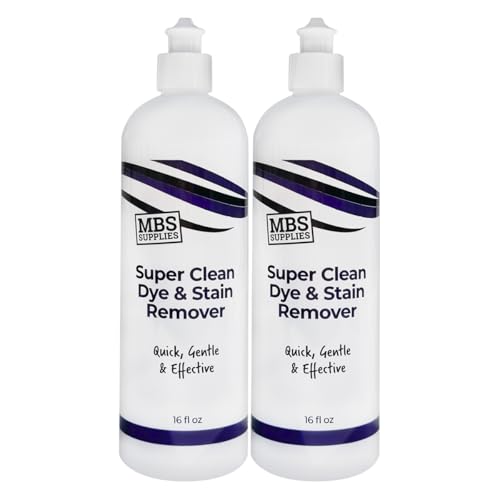
- Hair dye stain remover for countertops
- Microfiber cleaning cloth for dye spills
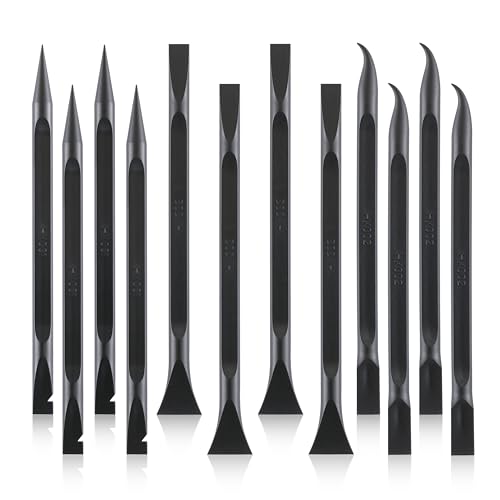
- Plastic scraper for countertop dye spills
- Baking soda paste cleaner for hair dye residue on countertops
- All-purpose cleaner for hair dye stains on countertops
Before You Start
Test cleaners on a hidden area of the countertop to ensure no discoloration occurs. Remove or cover nearby items to avoid contact with cleaners. Wear gloves if you have sensitive skin. Work in a well-ventilated area and avoid mixing bleach with ammonia or vinegar. Expect a short work window, typically 5–15 minutes, before stain sets. Avoid scrubbing too aggressively on delicate surfaces to prevent dulling or scratches.
Step-By-Step: How To Clean Hair Dye Off Counter
- Place a microfiber cloth under the spill and blot gently to lift excess dye—do not rub, which can spread the stain.
- Apply a small amount of all-purpose cleaner directly to the stained area and let it sit for 1–2 minutes.
- Wipe with a microfiber cloth in a circular motion, applying light pressure to lift dye from the surface.
- If the stain persists, sprinkle baking soda over the area and dampen with water to form a paste.
- Gently rub the baking soda paste with the cloth until the stain fades, then wipe clean with a damp cloth.
- For tougher stains, use a hair dye stain remover for countertops following the product’s instructions, then rinse with clean water.
- Rinse the area with a damp microfiber cloth to remove any cleaner residue.
- Dry the surface completely with a clean, dry microfiber towel to prevent water spots.
- Inspect under bright light for any remaining tint; repeat steps if necessary, starting with blotting the area again.
- Dispose of used cloths responsibly and store cleaners out of reach of children and pets.
- Wipe surrounding edges to prevent cleaner transfer to adjacent surfaces.
- Test on a small area if the surface is highly polished or has a sealant to ensure no dulling occurs.
Troubleshooting
| Symptom | Likely Cause | Fix | Prevention |
|---|---|---|---|
| Stain remains after cleaning | Stain absorbed into porous surface | Apply dye remover or baking soda paste again; repeat | Wipe spills quickly; seal porous surfaces if applicable |
| Discoloration after cleaner | Surface incompatible with cleaner | Rinse thoroughly; switch to a milder cleaner | Test cleaners first |
| Scratch marks when scrubbing | Rough scrubbing on delicate finish | Stop scrubbing; switch to softer cloth | Use microfiber only |
| Streaky finish | Residue left behind | Rinse and dry; buff with a dry microfiber | Wipe in the direction of grain/shine |
Common Mistakes
- Using bleach or ammonia on colored dyes; this can cause fading or reactions.
- Rubbing hard with a rough sponge, which can scratch surfaces.
- Waiting too long to treat the spill, making removal harder.
- Mixing cleaners, which can produce dangerous fumes or residues.
Staying patient and using the right tools helps preserve countertop appearance long-term.
Tips For Best Results
- Keep a dedicated microfiber cloth ready for spills to speed response.
- Use a plastic scraper rather than metal to avoid scratches on smooth countertops.
- When possible, chemically-neutralize the dye with a gentle cleaner before scrubbing.
- Pre-treat any new spills promptly to prevent dye from binding to the surface.
Call A Professional
Seek professional help if the dye has deeply penetrated a porous countertop or if the surface shows persistent discoloration after multiple cleaning attempts. Additionally, consult a pro if the countertop is made of natural stone, wood, or composite that requires specialized care beyond standard cleaners.
FAQ
Can I use dish soap to clean hair dye off counters?
Dish soap can help with light spills, but for stubborn stains, follow with a dedicated cleaner or baking soda paste.
Is baking soda paste safe on all countertops?
Most sealed surfaces tolerate baking soda paste, but test on a hidden area first.
How long should I wait before wiping after applying cleaner?
Waiting 1–2 minutes gives cleaners time to loosen dye; avoid letting it dry.
What tools are best for dye spills on countertops?
A microfiber cloth, plastic scraper, and a gentle all-purpose cleaner are typically effective.
Buying Guide
Choosing the right products to handle hair dye spills on countertops depends on surface type and stain severity. Consider the following factors:
- Surface compatibility: Confirm cleaners are safe for granite, quartz, laminate, or acrylic finishes.
- Stain strength: For fresh spills, milder cleaners may suffice; persistent stains may require dye removers or baking soda paste.
- Tools included: A microfiber cloth is essential for lifting dye without scratching; a plastic scraper helps with hard-to-remove residues.
- Ease of use: Pre-mixed formulations with clear instructions speed up cleaning and reduce errors.
- Safety: Choose products with low-odor formulas and non-toxic ingredients for homes with children and pets.
When evaluating options, test cleaners on a small hidden area first and follow up with proper rinsing and drying. If surfaces show frequent staining, consider a sealant or protective finish recommended by the manufacturer to reduce future dye absorption.