<p
Cleaning a Bosch oven helps maintain performance, energy efficiency, and food quality. This guide provides practical steps using common Bosch-friendly tools and products to remove stains, grease, and baked-on residue without damaging sensitive surfaces. The methods emphasize safety, efficiency, and accessible household options.
Quick Answer
To clean a Bosch oven efficiently, start with a gentle non-abrasive cleaner or a dedicated oven cleaning spray for Bosch ovens, apply with a Bosch oven cleaning brush scraper for stubborn spots, and finish with non-abrasive oven cleaning pads compatible with Bosch. Wipe, rinse, and repeat as needed for especially grimy zones. Always remove racks before cleaning and follow the manufacturer’s directions for any cleaner.
What You’ll Need
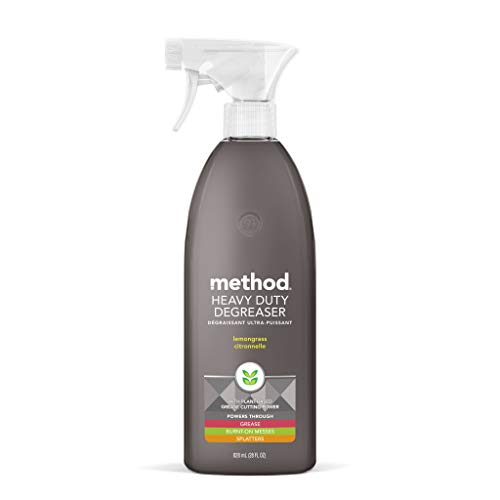
- Bosch oven cleaning kit or compatible cleaning spray designed for Bosch ovens
- Bosch oven cleaning brush scraper for tough spots
- Non-abrasive oven cleaning pads Bosch compatible for delicate surfaces
- Oven door glass scraper Bosch compatible for glass panels
- Soft microfiber cloths or lint-free towels
- Liquid dish soap and warm water for general wipe-downs
- Protective gloves to protect hands


Before You Start
Before cleaning, ensure the oven is completely cool. Remove all racks and accessories, and place a protective covering on the floor or nearby surfaces to catch drips. Ventilate the area if using spray cleaners. Time estimates vary: light cleaning may take 15–30 minutes, while a thorough spotless clean can require 45–60 minutes. Safety note: never mix cleaning products, especially bleach with ammonia or acidic cleaners, as fumes can be dangerous. For self-cleaning modes, consult the user manual and avoid using spray cleaners inside the oven cavity during operation.
Step-By-Step: How To Clean A Bosch Oven
- Remove all oven racks and accessories; wipe them with warm soapy water to remove loose grime.
- Vacuum or brush away loose debris from the oven floor and walls to minimize smear during cleaning.
- Apply a Bosch-appropriate non-abrasive oven cleaning spray to the interior, focusing on greasy spots; surface should be evenly damp but not flooded.
- Let the cleaner sit for the time recommended on the product label (often 5–15 minutes) to soften baked-on residue.
- Use the Bosch oven cleaning brush scraper to gently lift and loosen baked-on deposits from the walls and door without scratching.
- Wipe away loosened grime with a damp microfiber cloth, then repeat on stubborn areas using additional cleaner as needed.
- For the oven door glass, use the Bosch compatible glass scraper or a non-scratch pad to remove baked-on film; wipe clean with a fresh cloth.
- Rinse the interior with a clean damp cloth to remove any cleaner residue; wipe dry with a lint-free towel.
- Reinsert racks and run a quick warm bake (no food) for a few minutes to dry surfaces and remove any remaining moisture or smell.
- Do a final wipe-down of any exterior surfaces with a mild cleaning solution to restore shine and remove fingerprints.
- Inspect for any missed spots and repeat only on areas that require additional attention.
- Dispose of used wipes and protect the clean oven with a quick cool-down period before use.
Troubleshooting
| Symptom | Likely Cause | Fix | Prevention |
|---|---|---|---|
| Stubborn spots remain after cleaning | Residue baked on too long | Reapply cleaner and let sit longer; use a scraper with light pressure | Clean sooner after spills; wipe frequent splatters |
| Cleaner residue on food surfaces | Excess cleaner not fully wiped | Rinse interior with damp cloth until clear | Use minimal cleaning product and follow label directions |
| Scratches on glass or enamel | Abrasive pad used improperly | Switch to non-abrasive pads and gentle motions | Always test on a small area first |
| Unpleasant odor after cleaning | Residual cleaner fumes | Ventilate well; wipe with clean water and dry | Avoid strong solvents near food areas |
Common Mistakes
- Using abrasive cleaners or steel wool on enamel or glass surfaces
- Over-wetting the interior; letting liquid pool in hidden crevices
- Using incompatible cleaners that can damage coatings or seals
- Neglecting to remove racks, which can trap grime and make cleaning harder
Tips For Best Results
- Schedule regular cleanings to prevent heavy buildup; a light weekly wipe is often enough between deeper cleanings.
- Use a dedicated Bosch oven cleaning kit when possible to ensure compatibility and safe formulations.
- Keep a spare microfiber cloth dedicated to the oven interior to avoid cross-contamination with kitchen surfaces.
- Warm, not hot, water speeds up the removal of grease without risking burns on hands or surfaces.
Call A Professional
Consider a professional if the oven interior shows extensive discoloration, melted seals, or if the self-cleaning mode fails to operate. Stop and call a technician if you notice unusual heat, loud noises, or persistent smells after cleaning. Do not dismantle sealed components, which could void warranties or cause safety hazards.
FAQ
Is it safe to use store-bought oven cleaners on Bosch ovens?
Yes, provided the product is labeled safe for enamel and stainless-steel surfaces and suitable for Bosch models; always follow the label and Bosch manual guidance.
How often should I clean my Bosch oven?
Deep cleaning every 3–6 months, with light wipe-downs weekly; frequency depends on usage and spill frequency.
Can I use the self-cleaning function after applying cleaning spray?
Avoid using self-cleaning cycles immediately after chemical cleaners; wait until surfaces are dry and free of residues.
What should I do if the oven door glass is cracked?
Stop using the oven and contact Bosch support or a licensed technician for guidance and replacement options.
Are there any compatible Bosch-specific tools I should own?
Yes, keeping a Bosch oven cleaning kit and the dedicated scraper and pads can simplify maintenance and protect surfaces.
Buying Guide
When choosing cleaning gear for a Bosch oven, buyers should consider several factors. First, size and fit: select tools and sprays that are compatible with standard Bosch cavity dimensions and door glass. Noise level and user comfort matter for handheld scrapers and brushes. Next, energy efficiency concerns are minimal for cleaning products, but choosing milder formulas can reduce exposure and time spent rinsing. Controls matter in the sense that you want simple, spray-and-wipe operation rather than complicated steps. Finally, placement—store cleaners in a cool, dry area away from heat sources and out of reach of children. For best results, compare a Bosch oven cleaning kit with alternative sprays and pads designed for Bosch-compatible surfaces, ensuring you have a complete set of tools for interior, door glass, and racks.