Keeping a couch clean without a carpet cleaner or heavy machine is entirely doable with the right approach. This guide walks through a practical, step-by-step method using common cleaning tools to refresh upholstery, remove stains, and protect fabric over time.
Each section focuses on safe, effective techniques for most couch fabrics found in American homes. While some fabrics require professional care, routine spot cleaning and gentle brushing can prevent buildup and extend upholstery life.
Quick Answer
For a fast refresh, mix a light fabric-safe cleaner in a reusable spray bottle, lightly mist the surface, scrub with a soft brush, and wipe with microfiber cloths. For stubborn stains, use an upholstery stain remover spray, then blot and air-dry. Always test a hidden area first.
What You’ll Need
- Upholstery stain remover spray for couches 24 oz
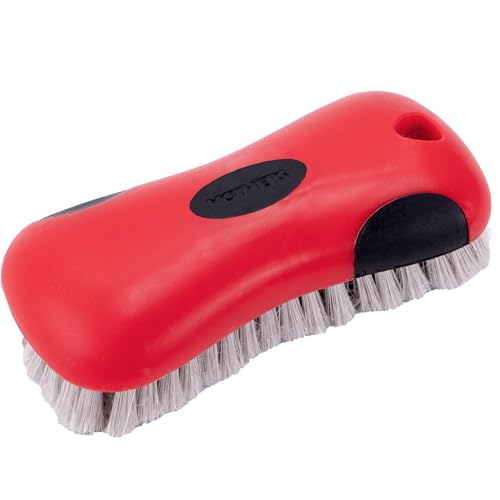
- Handheld upholstery cleaning brush sofa fabric cleaner
- Microfiber cleaning cloths for upholstery sofa set of 6
- Reusable spray bottle for upholstery cleaner 32 oz
- Soft fabric scrub brush non-slip handle couch cleaning


Before You Start
Check the fabric care tag on the couch to identify cleaning instructions (W, S, S/W, or X). Avoid saturating fabrics with water on delicate weaves and never use a solvent that can weaken fibers. Work in a well-ventilated area and test products on an inconspicuous spot to watch for color bleed or texture change. Estimate 30–60 minutes per cleaning session, depending on stain severity and fabric type.
Step-By-Step: How To Clean A Couch Without A Machine
- Vacuum the surface thoroughly to remove loose dirt, crumbs, and pet hair.
- Identify stains and treat the toughest spots first with an upholstery stain remover spray as per label directions.
- Fill the reusable spray bottle with a mild cleaning solution, following product guidelines, and lightly mist the fabric from about 6–8 inches away.
- Gently scrub with a soft fabric scrub brush or handheld upholstery cleaning brush, focusing on stains and worn areas.
- Wipe away loosened soil with microfiber cleaning cloths, turning to a fresh area as needed.
- Repeat misting, scrubbing, and blotting on any remaining stains, using a clean cloth to lift moisture and dirt.
- Allow the couch to dry completely before use to avoid trapping moisture and odors.
- Brush fabric lightly after drying to restore nap and evenness, especially on textured surfaces.
- If odors persist, sprinkle a small amount of fabric-safe deodorizer or lightly mist with a clear water rinse and blot again.
- Reassess cushions and seams for any residue; repeat only on the affected areas to prevent over-wetting.
- Regular maintenance routine: vacuum weekly and spot-clean spills promptly to extend the clean look.
- Store cleaning tools in a ready-to-go kit for quick future touch-ups.
Troubleshooting
| Symptom | Likely Cause | Fix | Prevention |
|---|---|---|---|
| Streaks after cleaning | Uneven moisture or over-wetting | Blot with clean cloth, allow to dry completely, then brush nap | Use light spray and frequent blotting |
| Color running on fabric | Incorrect cleaner for fabric or test failure | Rinse area with plain water and blot dry; avoid the product | Always test in hidden area first |
| Stubborn oil or grease | Heavy soil buildup | Apply stain remover, gently scrub, blot, repeat as needed | Address spills promptly |
| Fabrics stiff after cleaning | Residual cleaner or moisture | Brush nap and air-dry thoroughly | Use minimal cleaner and thorough blotting |
Common Mistakes
- Over-wetting the fabric, which leads to mildew or odor.
- Using bleach or highly caustic cleaners on colored upholstery.
- Skipping a test patch, risking discoloration or fabric damage.
- Neglecting to dry the fabric completely before use.
Tips For Best Results
- Test cleaning products on an inconspicuous area first to confirm colorfastness.
- Work from the outer edges toward the center to prevent spreading stains.
- Use microfiber cloths for gentle lifting without abrasion.
- Schedule regular quick cleanings to prevent deep stains from forming.
- Label your cleaning spray bottle with date and contents for safety.
Call A Professional
Contact a pro if the couch fabric is labeled X (do not wet), if stains are oil-based or unknown, or if color fading appears after cleaning. Seek expert help for antique or high-value upholstery, or when dealing with mold, strong odors, or extensive staining beyond home remedies.
FAQ
Can I clean microfiber couches with household cleaners?
Yes, but use mild cleaners and avoid saturating the fabric. Always test first on a hidden area.
How long does it take for a couch to dry after cleaning?
Most fabrics dry within 2–6 hours, depending on humidity and airflow.
Is it safe to use a spray bottle for upholstery cleaner?
Yes, a reusable spray bottle helps apply the solution evenly and reduces waste.
Should I vacuum before or after cleaning?
Vacuum before cleaning to remove loose debris; vacuum again after to pick up remaining dirt.
Buying Guide
When choosing products for cleaning couches without a machine, consider size, performance, and fabric compatibility. A good kit should include an upholstery stain remover spray, a handheld cleaning brush, microfiber cloths, and a reusable spray bottle. Look for non-abrasive brushes with soft, non-slip handles to protect delicate fabrics. For larger living rooms, a 24 oz stain remover and a 32 oz spray bottle provide ample reach for multiple cleanings. A compact soft scrub brush helps tackle textured upholstery without damaging fibers. Always verify that products are suitable for your specific fabric type (cotton, microfiber, polyester blends, velvet, etc.).