Hard water stains on glass windows can obscure views and reduce natural light. This guide provides practical, step-by-step methods using common cleaning tools and specialized products to restore clarity without damaging surfaces. The focus is on safe, effective techniques suitable for most U.S. homes and climates.
Quick Answer
To remove hard water stains from windows, start with a calcium lime rust remover spray or a dedicated hard water stain remover for glass. Wipe with a microfiber cloth or squeegee, then finish with a microfiber glass towel. For stubborn spots, use an extendable window cleaning pole or a spray-and-wipe method, repeating as needed.
What You’ll Need
- Hard water stain remover spray for glass windows
- Calcium lime rust remover for glass windows spray
- Microfiber glass cleaning cloth 12×12 for hard water stains
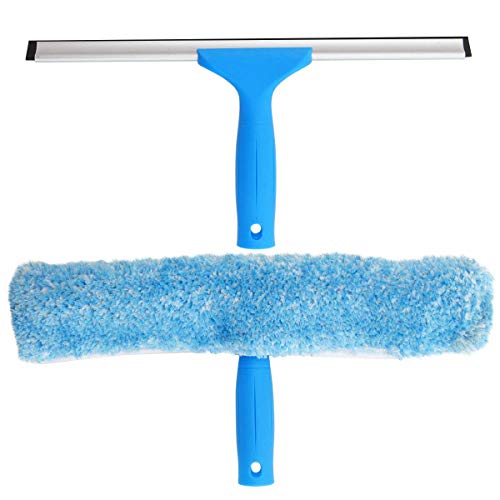
- 14 inch window squeegee with microfiber blade for glass
- Extendable window cleaning pole kit for hard-to-reach windows
- Optional: spray bottle for mixed cleaners


Before You Start
Check the glass for chips or cracks before applying cleaners. Perform a spot test on a small, inconspicuous area to ensure compatibility with the window finish. Work on cloudy days or during cooler parts of the day to prevent rapid drying that could leave streaks. Safety first: wear gloves, avoid mixing cleaners with bleach or ammonia, and keep cleaners away from children and pets. Time estimate: 45–90 minutes depending on window size and stain severity.
Note: Hard water stains can be embedded in mineral deposits. For multi-story homes, consider using an extendable pole to reach upper panes without climbing.
Step-By-Step: How To Remove Hard Water Stains From Windows
- Prepare the cleaning solution by applying either a calcium lime rust remover spray or a dedicated hard water stain remover for glass. Follow product instructions for dwell time.
- Gently mist the stained area and let the cleaner sit for the recommended duration to break down mineral deposits.
- Wipe the area with a damp microfiber glass cleaning cloth to lift loosened minerals. Use a circular or zigzag motion for even coverage.
- Use a 14 inch window squeegee with microfiber blade to remove the cleaner and dissolved minerals from the glass. Start at the top and work downward in vertical strokes.
- For stubborn spots, reapply a small amount of cleaner and scrub with the microfiber cloth or a non-abrasive sponge. Avoid scratching the glass.
- Rinse the cloth frequently and wipe the window edge to prevent residue from running down the pane.
- If access is difficult, attach the extendable window cleaning pole kit and work from the ground or a safe platform. Repeat cleaning steps from above.
- Dry the entire pane with a clean, dry microfiber cloth to prevent new water spots forming as it dries.
- Inspect the window for any remaining haze. If needed, repeat steps 1–8 on the affected areas.
- Apply a light protective wipe or polish with a fresh microfiber towel to maintain shine and reduce future spotting.
- For exterior glass, consider a protective treatment or regular maintenance plan to curb mineral buildup over time.
- Store cleaners and tools in a dry place away from direct sunlight to prolong their effectiveness.
Troubleshooting
| Symptom | Likely Cause | Fix | Prevention |
|---|---|---|---|
| Streaky glass after cleaning | Inadequate drying or improper cleaner use | Wipe with a dry microfiber cloth; ensure even coverage and follow with a final wax-like wipe | Dry immediately after cleaning; use lint-free towels |
| Mineral rings around edges | Residue at window edges | Wipe edges with a damp cloth and re-clean the edge area | Rinse thoroughly and dry edges gently |
| Stains reappear soon after cleaning | Hard water deposits remain in the glass porosity | Repeat treatment with a stronger dwell time; consider a dedicated stain remover for glass | Apply a preventive coating or rinse with distilled water after cleaning |
| Scratches appear on glass | Using abrasive tools or harsh scrubs | Cease aggressive scrubbing; switch to non-abrasive cloths | Inspect tools for rough edges; use approved cleaners only |
Common Mistakes
- Over-saturating the glass with cleaner, which increases drying time and streaks
- Using abrasive pads or rough cloths on delicate glass surfaces
- Mixing cleaners with bleach or ammonia, which can create unsafe fumes
- Neglecting to dry the edges and frames, leading to water staining on frames
Tips For Best Results
- Choose a cloudy day or cool hours to prevent quick drying and streaks
- Test a small area first to verify compatibility with glass and coatings
- Prioritize a consistent cleaning routine to prevent heavy mineral buildup
- Use a microfiber cloth designed for glass to maximize lint-free results
- For high windows, use an extendable pole rather than climbing equipment
Call A Professional
If stains persist after multiple attempts, or if the glass shows chronic etching, cracks, or extensive mineral buildup, contact a professional window cleaning service. Stop cleaning if the glass appears damaged or if you are unsure about surface compatibility. Professionals can assess coating integrity and apply professional-grade treatments safely.
FAQ
What is the best cleaner for hard water on glass?
A calcium lime rust remover for glass windows or a dedicated hard water stain remover for glass works well when used according to label directions.
Can I use vinegar on hard water stains?
Vinegar is less effective on heavy mineral buildup and may leave odors; for tougher stains, use a product designed for mineral deposits or a professional cleaner.
Will a squeegee damage my windows?
When used properly on clean, smooth glass, a squeegee is safe and helps reduce streaks; avoid pressing hard on fragile or damaged panes.
How often should I clean exterior windows to prevent buildup?
Regular maintenance every 1–3 months, depending on water hardness in the area, helps prevent stubborn deposits.
Is it safe to use extendable poles indoors?
Yes, but ensure there is space and the pole does not collide with furniture or fixtures.
What should I do with leftover cleaners?
Store according to label instructions in a cool, dry place away from sunlight. Keep out of reach of children.
How can I prevent future hard water stains?
Rinse windows with distilled water after cleaning and consider applying a protective coating or water-repellent treatment designed for glass surfaces.
Buying Guide
When selecting products to combat hard water on glass, consider size, noise level, energy efficiency, controls, and placement. For home use, a small to mid-size spray bottle cleanser paired with a reliable window squeegee often delivers the best balance of cost and effectiveness. Look for products labeled specifically for glass and mineral deposits to ensure compatibility with window coatings. If cleaning tall or hard-to-reach windows, an extendable window cleaning pole kit provides safer access without ladders. For regular maintenance in areas with very hard water, a dedicated hard water stain remover for glass can simplify future cleanings. Finally, keep microfiber cloths handy for streak-free finishes and to extend the life of cleaning tools.