Maintaining a bright, spotless ceramic or porcelain sink helps brighten a bathroom or kitchen. With the right tools and a simple routine, homeowners can remove stains, mineral deposits, and soap scum without scratching surfaces.
The following guide uses common household items and specifically recommended cleaners to safely restore shine and prevent future buildup.
Quick Answer
For quick results, make a paste with baking soda and water, apply to stains, scrub gently with a non-scratch brush, rinse, and dry. For tough streaks, use a porcelain sink microfiber cloth with a light cleaner, then buff to a seal-like shine.
What You’ll Need
- Ceramic sink cleaning brush non-scratch bristles
- Porcelain sink pumice stone
- Porcelain sink microfiber cleaning cloth
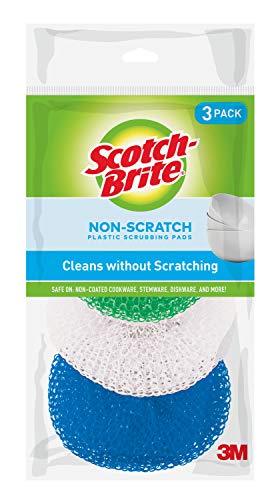
- Non-scratch scrub pad for ceramic sink
- Baking soda cleaning paste for porcelain sink


Before You Start
Clear the sink area and remove any metal containers or accessories that could be damaged by cleaners. Rinse the basin to loosen debris, then work on dry or lightly damp surfaces. Test any cleaner in a small, inconspicuous spot first to prevent discoloration. Allow 10–20 minutes for pretreatment on stubborn stains, then proceed with gentle scrubbing and thorough rinsing.
Step-By-Step: How To Clean A Ceramic Sink
- Remove dishes and debris; rinse the sink with warm water to suspend grime.
- Sprinkle baking soda cleaning paste or powder over the surface, focusing on stained areas.
- Use a non-scratch scrub pad or brush to scrub in a circular motion, applying light to moderate pressure.
- For mineral deposits, gently rub with a damp pumice stone held at a slight angle to avoid scratching edges.
- Rinse thoroughly with warm water to remove all cleaner residue.
- Dry the sink with a microfiber cloth to prevent water spots and streaks.
- Buff the surface gently with the microfiber cloth until it shines.
- If streaks persist, repeat the paste application on the affected area and re scrub before a final rinse.
- Clean the faucet and fixtures separately with a soft cloth to complete the overall shine.
- Inspect for remaining stains, repeating targeted steps only where needed.
- For routine maintenance, wipe the sink daily and perform a deeper clean weekly to prevent buildup.
Troubleshooting
| Symptom | Likely Cause | Fix | Prevention |
|---|---|---|---|
| Persistent cloudy film | Soap scum buildup | Rewipe with baking soda paste and rinse thoroughly | Rinse after each use, dry sink regularly |
| Stains that won’t lift | Tainted mineral deposits | Targeted scrubbing with non-scratch pad and pumice stone | Avoid harsh cleaners; treat mineral areas promptly |
| Scratches seen after cleaning | Excessive scrubbing or abrasive tools | Switch to softer brushes; use pumice sparingly | Use non-scratch tools and gentle pressure |
| Persistent odor | Organic residue in drain or trap | Flush with hot water and a baking soda solution | Regularly clean drain area and trap |
Common Mistakes
- Using abrasive pads or steel wool on ceramic surfaces
- Letting cleaners sit too long on delicate finishes
- Neglecting to dry the sink after cleaning, which can cause water spots
- Using acidic cleaners on porcelain without testing first
Tips For Best Results
- Always rinse and dry after cleaning to prevent mineral deposits from re-forming.
- Dot the pumice stone gently on stubborn spots to avoid micro-scratches.
- Work from the top of the basin toward the drain to prevent recontamination.
- Use microfiber cloths to buff surfaces for a glossy finish without streaks.
Call A Professional
Consider contacting a professional if the porcelain sink has deep cracks, severe staining that resists cleaning, or if water leaks are detected around fixtures. Signs to seek help include persistent chipping, discoloration that spreads, and ongoing drain issues.
FAQ
Can I use bleach on a ceramic sink?
Bleach can help with whitening but may damage seals or discolor grout over time. Use it sparingly and dilute, then rinse thoroughly.
Is pumice stone safe for porcelain?
When used gently, pumice stone can remove mineral deposits without scratching, but avoid heavy pressure and test in an inconspicuous area first.
How often should I deep clean my ceramic sink?
Deep cleaning every 1–2 weeks, with light daily wipe-downs, helps maintain shine and prevent buildup.
Are non-scratch brushes necessary?
Non-scratch brushes protect the surface while effectively removing grime and are highly recommended for porcelain and ceramic sinks.
Buying Guide
When choosing products for cleaning a ceramic or porcelain sink, consider size, finish needs, and maintenance goals. A few factors help compare options and ensure effective, gentle care.
Key buying factors include:
- Size and shape of the sink; choose brushes and pads that fit comfortably within the basin.
- Noise level and ease of use; softer tools reduce effort and avoid surface damage.
- Energy and material efficiency; opt for multi-purpose cleaners that minimize chemical exposure.
- Controls and dosing; look for simple application methods for paste cleaners and cloths.
- Placement and storage; keep tools within reach for quick daily maintenance.
For a balanced cleaning routine, combine a non-scratch scrub brush, a pumice stone for mineral deposits, a microfiber cloth for finishing, and a baking soda paste for stain removal. This combo supports both routine upkeep and tackle tough spots without harming the surface.