Chrome furniture adds a sleek, reflective touch to any room, but keeping it spotless requires the right approach. This guide outlines practical steps, tools, and best practices for cleaning chrome surfaces at home in the United States. By following the process, homeowners can maintain shine while preventing dullness and rust.
Quick Answer
For everyday cleaning, use a gentle chrome furniture cleaner spray and a microfiber cloth to wipe surfaces, then buff with a clean dry cloth. For stubborn spots, apply chrome rust remover gel and follow with a chrome polish for furniture. A low-speed electric polisher buffer can speed up polishing on larger pieces.
What You’ll Need
The following tools and products are commonly used to clean chrome furniture effectively. Gather these before you begin to streamline the process.
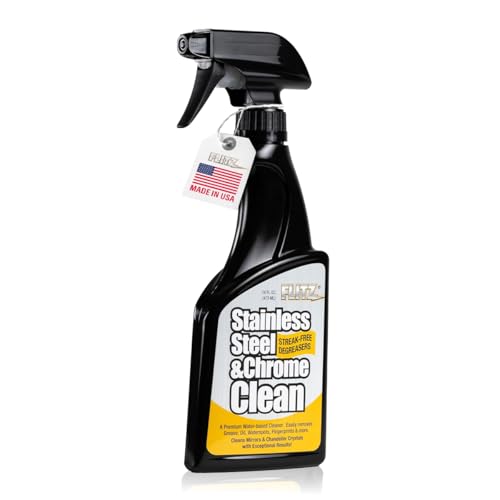
- Chrome furniture cleaner spray
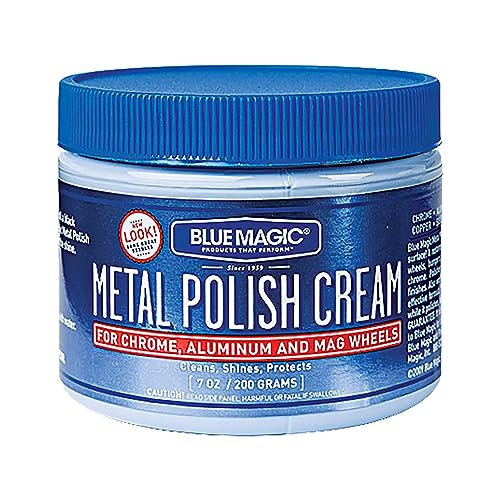
- Chrome polish for furniture
- Microfiber cloth for chrome cleaning
- Chrome rust remover gel
- Electric polisher buffer for chrome

Before You Start
Inspect surfaces for pitting, rust spots, or peeling coatings. Work in a well-ventilated room and place a soft cloth or mat underneath to protect floors. Test any cleaner on a small, inconspicuous area first to avoid streaks or discoloration. Plan for a 20–40 minute session for a typical piece, longer for heavy grime or rust.
Critical cautions:
– Avoid abrasive pads that can scratch chrome.
– Do not mix cleaners with bleach or ammonia-based products.
– If chrome has extensive rust or flaking, proceed with care and consider professional help.
Step-By-Step: How To Clean Chrome Furniture
- Dust the surface with a dry microfiber cloth to remove loose dirt.
- Spray a light layer of chrome furniture cleaner spray onto the cloth, not directly on the item, to prevent overspray on adjacent surfaces.
- Wipe in the direction of the chrome’s curves and grooves, using gentle pressure to lift fingerprints and smudges.
- Once clean, buff the surface with a dry microfiber cloth to restore shine and remove any remaining haze.
- For light water spots, reapply cleaner and wipe until the spots disappear, then buff again.
- If rust appears, apply a small amount of chrome rust remover gel to a clean cloth and work it into the affected area per the product’s instructions.
- Rinse or wipe away any residue with a damp cloth, then dry thoroughly with a separate microfiber cloth.
- Finish with chrome polish for furniture to seal and enhance luster; apply sparingly and buff in a circular motion.
- For larger pieces or repetitive cleaning, consider using an electric polisher buffer for chrome to speed up the process, keeping it on a low setting to avoid heat buildup.
- Inspect the final finish for streaks and repeat polishing as needed until the surface looks even and bright.
- Store all cleaners out of reach of children and pets, following product label directions for safe storage.
Troubleshooting
| Symptom | Likely Cause | Fix | Prevention |
|---|---|---|---|
| Streaks after cleaning | Residue left from cleaner | Wipe again with a clean, dry microfiber cloth | Use a minimal amount of product and wipe with the grain |
| Surface feels rough | Abrasive cleaners or harsh scrubbing | Switch to a non-abrasive chrome cleaner and soft cloth | Avoid scrub pads; test on hidden area first |
| Rust spots persist | Deep rust or pitting | Apply chrome rust remover gel as directed; if extensive, seek professional help | Address moisture exposure and wipe dry after use |
| Discoloration after polish | Using incompatible polish | Switch to a chrome polish for furniture and buff thoroughly | Only use products labeled for chrome |
Common Mistakes
- Using abrasive cleaners or steel wool on chrome surfaces
- Allowing cleaners to sit and dry on chrome, causing haze
- Skipping drying steps, which leaves water marks
- Neglecting to test products on a hidden area before full application
Tips For Best Results
- Work in a shaded area away from direct sunlight to prevent rapid drying and streaks
- Apply products in thin layers and wipe promptly to avoid buildup
- Use a clean, lint-free microfiber cloth for the final buff to maximize shine
- Rotate cloths between sections to avoid transferring grime back onto the chrome
- Store cleaners upright to prevent leaks and label clearly for safety
Call A Professional
Professional help may be necessary if chrome shows extensive rust, pitting, or corrosion that affects structural integrity or finish. Seek a pro if:
- Surface damage is widespread across a large area
- Chrome has lost protective plating or shows flaking
- Rust returns despite repeated cleaning and rust-removal attempts
FAQ
Can I use toothpaste to clean chrome furniture?
Toothpaste can work as a mild abrasive, but it’s not formulated for chrome and may leave scratches or residue. Stick with products designed for chrome cleaning.
Is it safe to use spray-on chrome cleaner on all types of chrome furniture?
Most spray cleaners are safe for standard chrome surfaces, but test on a small area first and avoid painted or coated finishes that may react differently.
How often should I clean chrome furniture?
Clean monthly for regular maintenance, and spot-clean fingerprints and spills as they occur to prevent buildup.
What should I do if water spots won’t come out?
Reapply chrome cleaner and buff with a microfiber cloth; for stubborn spots, a light application of chrome polish can help, followed by thorough buffing.
Can an electric polisher damage chrome?
Yes, if used improperly. Use a low speed, soft pad, and test on a hidden area first; never press hard or overheat the surface.
Buying Guide
When choosing products to maintain chrome furniture, consider size and scope of the project, noise levels if using electric tools, energy efficiency of devices like polishers, control options, and placement of items in a room. For routine cleaning, a dedicated chrome furniture cleaner spray and chrome polish for furniture work well with a microfiber cloth. For tougher spots, a chrome rust remover gel paired with a gentle polish provides extra protection. If you anticipate frequent cleaning or larger pieces, an electric polisher buffer for chrome can save time, but select a model with variable speed and a soft pad to minimize risk to finishes. Balance cost, ease of use, and safety features to ensure long-term satisfaction with chrome furniture care.