Dust in the air can affect comfort, health, and the performance of DIY projects. This guide explains practical, step-by-step methods to reduce airborne dust in homes, offices, and workshops. It emphasizes using reliable air-cleaning devices and proper setup to achieve noticeable improvements.
By combining filtration, airflow, and routine maintenance, readers can lower dust levels and improve indoor air quality with safe, effective practices.
Quick Answer
Use a combination of a high-CADR air purifier and a portable air scrubber with a true HEPA filter to target dust particles efficiently. Activate pre-filters and replace or wash them regularly. Pair filtration with source control measures, such as sealing drafts and using dust collectors during woodworking tasks.
What You’ll Need
- HEPA air purifier true HEPA filter dust removal
- portable air scrubber HEPA filter for dust
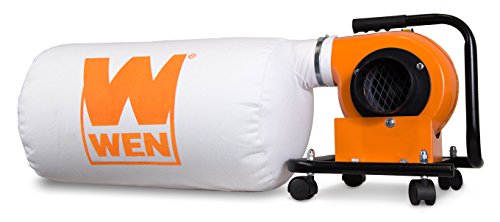
- dust collector for workshop woodworking dust
- air purifier with high CADR for dust reduction
- air purifier carbon filter washable pre-filter


Before You Start
Assess the space size to choose appropriate equipment. Determine the room’s layout, ventilation, and activity patterns that generate dust. Safety first: unplug power during setup, follow manufacturer instructions, and keep cords clear of walkways. Plan for noise considerations, especially in bedrooms or offices. A rough time estimate for initial dust reduction is 2–4 hours of continuous filtration in a typical living area, with longer runtimes in larger spaces.
Step-By-Step: How To Get Rid Of Dust In The Air
- Define the area: measure the room and note entry points where dust enters.
- Choose filtration devices: select a HEPA air purifier with a high CADR for dust reduction and a portable air scrubber for localized cleaning near dust sources.
- Position devices strategically: place purifiers away from walls, with unobstructed air intake and exhaust, and situate near main dust sources such as workshops or windows.
- Install and test pre-filters: attach washable carbon or pre-filters to capture larger particles and odors before the main filter.
- Run devices at appropriate speed: set fan speeds to maximize dust capture without excessive noise, and consider using dedicated high-CADR modes during heavy dust activities.
- Capture sources: use a dust collector for woodworking or other hobbies when cutting, sanding, or grinding to reduce dust at the source.
- Maintain filters: check the true HEPA filter and pre-filters regularly; wash or replace per manufacturer guidance to preserve efficiency.
- Monitor air quality: use a simple indoor air quality monitor or observe visibility and particle settling to evaluate effectiveness.
- Clean surfaces: dust surfaces gently with a damp cloth after filtration to avoid resuspension.
- Schedule routine maintenance: create a quarterly plan for filter replacement and device checks to sustain performance.
- Adjust as needed: if dust remains visible, add another purifier or relocate devices for better air distribution.
- Evaluate energy use: balance filtration intensity with energy costs, opting for energy-efficient models when possible.
Troubleshooting
| Symptom | Likely Cause | Fix | Prevention |
|---|---|---|---|
| Dust seems unchanged after setup | Filters not running or installed incorrectly | Verify power, reseat filters, ensure correct airflow direction | Regularly test after setup and keep devices unobstructed |
| Living room feels stuffy | Insufficient air exchange | Increase CADR by adding another purifier or relocating | Ensure doors/windows allow cross-ventilation when possible |
| Filtration devices are noisy | High fan speed or poor acoustics | Switch to lower but longer runtime or add acoustic-damping placement | Choose models with adjustable speed and sound ratings |
| Visible dust on surfaces despite filtration | Dust resuspension from activities | Use damp cloths for cleaning and reduce sanding/grinding indoors | Isolate dusty tasks or use external ventilation |
| HEPA filter looks dirty quickly | Fine particles bypassing or pre-filter overload | Inspect seals, ensure pre-filter is clean, replace main filter | Maintain pre-filters and seal gaps around units |
Common Mistakes
- Relying on a single purifier for a large space
- Blocking air intake or exhaust with furniture
- Neglecting regular filter maintenance
- Using devices without considering noise and comfort
Addressing these issues improves effectiveness and keeps air cleaner longer.
Tips For Best Results
- Use multiple devices in larger rooms to create better air circulation.
- Pair filtration with source control, such as using a dust collector during woodworking.
- Keep doors closed during dust-generating activities to minimize spread.
- Schedule filter changes according to usage and air quality conditions.
- Choose units with washable or replaceable pre-filters to extend main filter life.
Call A Professional
Call a professional if there is persistent mold growth, unusual odors that don’t improve with filtration, or if occupants experience ongoing respiratory irritation despite using air-cleaning devices. Seek expert help for structural air leakage or ventilation system assessments beyond consumer-grade solutions.
FAQ
What is the best way to reduce dust in the air at home?
Use a high-CADR air purifier with a true HEPA filter, add a portable air scrubber for targeted areas, and run a dust-collecting system for activities that create dust.
How often should I replace HEPA filters to keep dust control effective?
Follow the manufacturer’s guidance, typically every 6–12 months with normal use, and sooner in high-dust environments.
Can washable pre-filters help reduce maintenance?
Yes, washable pre-filters capture larger particles and protect the main HEPA filter, extending its life.
Is it better to run multiple smaller purifiers or one large unit?
Multiple units placed strategically can offer better air distribution in different zones and improve overall dust reduction.
Buying Guide
When selecting devices to reduce dust in the air, consider size, noise, energy use, and placement. A key decision is whether to invest in a single powerful unit or several smaller devices to create air flow across spaces. Look for a high CADR for dust reduction to ensure effective performance in the intended area. Coupled with a washable pre-filter and, if needed, a carbon filter for odors, these features help maintain clean air quality. Consider placement rules that maximize airflow, such as keeping units away from walls and arranging devices to create a circular air pattern. Evaluate energy efficiency and smart controls that allow scheduling and auto-adjustment based on air quality readings. Finally, ensure the system accommodates your activities—workshops, living spaces, or offices—where dust levels fluctuate throughout the day.