Suede offers a luxurious texture and refined look, but it also requires careful maintenance. This guide explains practical steps to clean and protect suede effectively, using common tools and products available in American markets. Readers will learn how to address stains, dirt, and wear while preserving the fabric’s nap and color.
With the right routine, suede stays fresh longer and looks better between professional cleanings. The methods below focus on everyday care, spot cleaning, and preventive protection to help extend the life of suede footwear, jackets, and accessories.
Quick Answer
Keep suede clean by brushing regularly, treating stains promptly, and applying protective spray after cleaning. Use a suede-specific brush, eraser block, and gentle cleaner to avoid damaging the nap. For stubborn stains, follow a step-by-step approach and test in an inconspicuous area first.
What You’ll Need
The following tools and products cover routine cleaning, stain removal, and protection. Gather them before starting to ensure a smooth process.
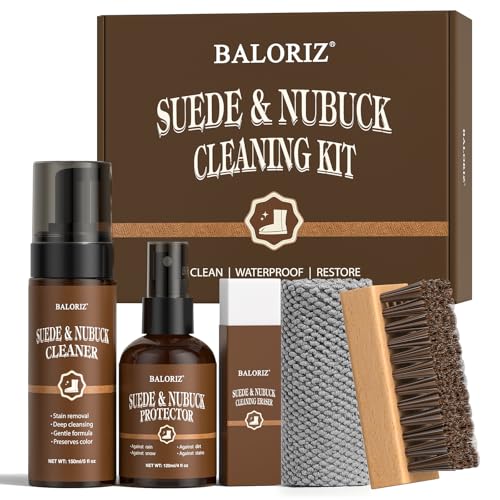
- Suede cleaning kit with brush eraser and cloth
- Suede brush for cleaning nubuck suede
- Suede protector spray waterproofing spray
- Suede cleaner and conditioner kit
- Eraser block for suede stain removal


Before You Start
Before tackling suede care, consider placement and surface constraints to prevent further damage. Work in a well-lit area away from direct heat sources. If the item is heavily soiled or valuable, testing methods on a hidden area is essential. Always perform a spot test first to confirm colorfastness and nap response.
Time estimate: 20–60 minutes depending on the item and stain severity. For delicate fabrics or questionable items, allow extra time and consider professional services for a thorough cleaning.
Step-By-Step: How To Keep Suede Clean
- Inspect the suede for damage, nap direction, and stain types to determine the cleaning approach.
- Use a suede brush to gently lift dirt and restore nap before treating stains. Brush in one direction to avoid matted fibers.
- For dry, surface dirt, use a suede eraser block to lift spots. Lightly rub over the stain with consistent pressure, then brush again.
- If stains persist, apply a small amount of suede cleaner to a clean cloth and blot instead of rubbing. Work from the outside in to prevent spreading.
- Repeat blotting and brushing as needed until the stain fades. Avoid saturating the material with cleaner.
- Allow the suede to air dry away from direct heat sources. Once dry, brush again to revive the nap.
- Apply a suede protector spray in a well-ventilated area after cleaning. Hold the spray at the recommended distance and apply a light, even coat.
- Test the protector on a hidden area first. Rebrush the nap gently after the coating dries to restore texture.
- For nubuck or heavily worn areas, a second cleaning session may be necessary. Ensure the item is completely dry between treatments.
- Store suede items properly to prevent creasing and moisture exposure. Use breathable bags and keep away from damp environments.
- Periodically reapply protector spray to maintain water resistance, especially after cleaning or rain exposure.
Troubleshooting
| Symptom | Likely Cause | Fix | Prevention |
|---|---|---|---|
| Streaks after cleaning | Uneven application or moisture | Re-brush nap and re-apply cleaner evenly in small sections | Test in inconspicuous area; use minimal cleaner |
| Nap texture looks flat | Debris buildup | Lightly brush in multiple directions to lift fibers | Regular brushing after wear |
| White residue after protector spray | Over-application or residue from cleaning products | Wipe lightly with cloth and allow to dry; reapply sparingly | Follow product directions precisely |
| Color transfer from dark stains | Bleeding dye or improper cleaners | Use a dye-stable cleaner and avoid aggressive rubbing | Spot-test before full treatment |
| Persistent stain on light suede | Oil-based or dye stain | Use eraser block to lift surface; consider professional cleaning | Address stains promptly |
Common Mistakes
- Using regular leather cleaners on suede
- Rubbing aggressively, which can roughen or tear nap
- Over-wetting suede, leading to water spots or stiffness
- Skipping test patches on hidden areas
- Neglecting to reapply protector spray after cleaning
Careful handling helps maintain suede’s texture and color. Following the right sequence of cleaning, drying, and protection reduces the risk of damage.
Tips For Best Results
- Brush regularly to maintain nap direction and remove surface dust
- Address stains immediately with appropriate products, not household cleaners
- Keep a dedicated suede toolkit for quick, at-home maintenance
- Store suede items in breathable bags to prevent moisture buildup
- Always test new products on a hidden area first to verify compatibility
Call A Professional
Consider a professional cleaning if suede is heavily stained, water-damaged, or if color restoration is required. Stop using household chemicals that can degrade the nap, and seek expert help when the material shows deep staining, fading, or structural damage.
FAQ
Can I clean suede with water?
Water can damage suede if not used carefully. Light dampening is sometimes used for heavy soil, but always follow product guidelines and dry completely.
Is suede protector spray necessary?
Protective sprays help repel moisture and reduce staining. Apply after cleaning and when reconditioning, following the product’s directions.
What’s the best tool for nubuck suede?
A dedicated suede brush designed for nubuck helps lift the nap without creating rough patches.
How often should I clean suede?
Regular brushing can keep suede looking fresh. Clean thoroughly when visible stains appear or nap appears dull, then protect to extend results.
Buying Guide
Choosing the right suede care products depends on several factors to ensure effective cleaning and protection. The following considerations help shoppers compare options and select a suitable kit or components.
Size and scope
Consider whether you need a comprehensive kit or individual tools. Kits with brush, eraser, and cloth cover broader maintenance, while single items suit targeted needs.
Noise level and ease of use
Manual brushes and erasers are quiet and straightforward. If you prefer automated or low-effort options, look for simple-activation triggers and compact designs for at-home use.
Energy efficiency
Energy usage is minimal for manual suede care tools. For powered devices in cleaning kits, check energy-efficient operation and rechargeable options if available.
Controls and accessibility
Choose products with clear instructions, color-coded surfaces, and easily replaceable heads. A kit with a clear care routine reduces mistakes during cleaning.
Placement and storage
Store suede care items in a dry, cool place away from direct sunlight to preserve the nap and extend product shelf life.
Durability and brand reliability
Invest in reputable brands offering warranties or guarantees. Durable brushes and eraser blocks maintain effectiveness over time, reducing the need for frequent replacements.
Value and compatibility
Balance price with included components. Ensure tools are suitable for suede and nubuck, and that protective sprays are compatible with the item’s color and finish.
Final considerations
Read consumer reviews for real-world performance and confirm that the kit aligns with your typical suede items, whether shoes, jackets, or accessories. A practical, proven kit minimizes risk and delivers consistent results.